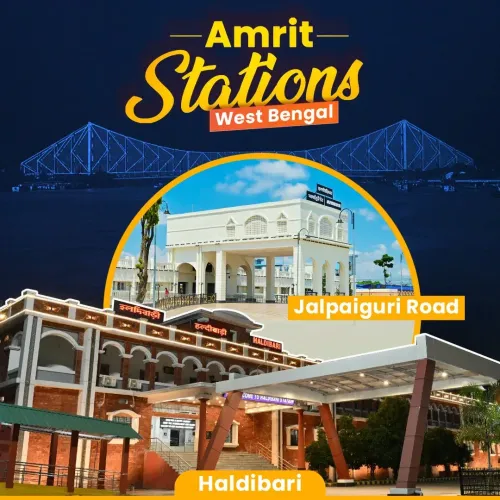
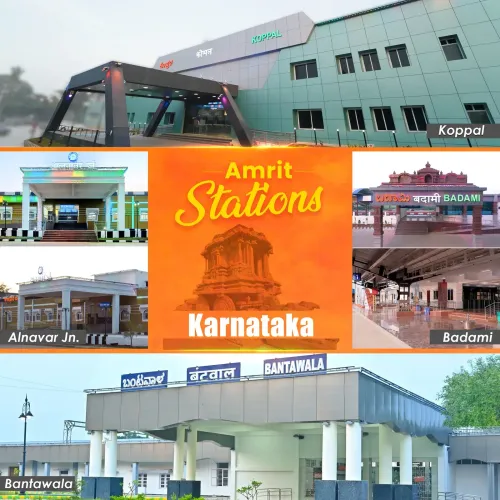
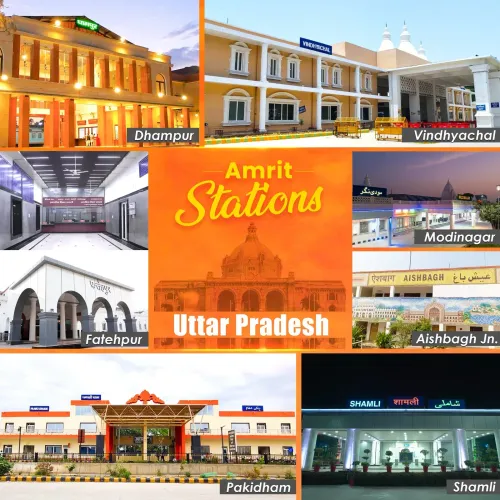
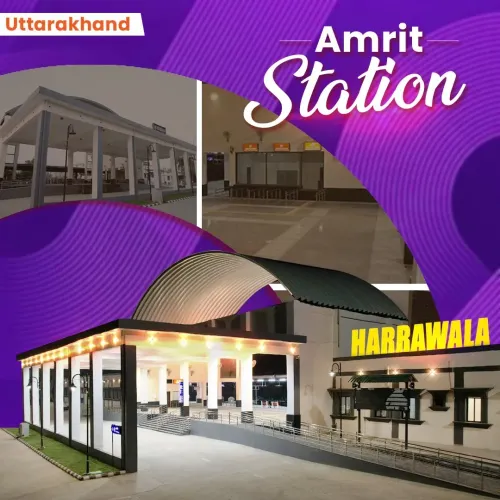
Vaishnaw Highlights Kalka, Narwana as Haryana Amrit Stations
Synopsis
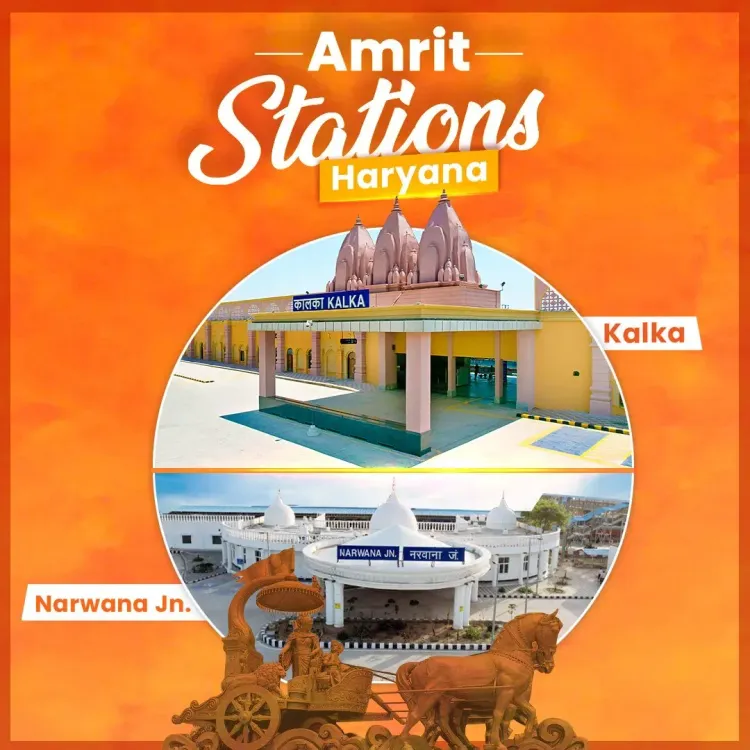
Union Minister Ashwini Vaishnaw on 17 July 2026 identified Kalka and Narwana as Haryana's redeveloped Amrit Bharat stations, highlighting their blend of local heritage and modern passenger amenities under the Central government's nationwide rail modernisation drive.
Key Takeaways
Kalka and Narwana are the two Haryana stations featured in Vaishnaw's post as part of the Amrit Bharat Station Scheme .
Kalka station serves as the gateway to the Kalka–Shimla Railway , a UNESCO World Heritage Site .
Narwana Junction in Jind district connects Haryana's agricultural belt to major national rail routes.
The Amrit Bharat Station Scheme was launched in February 2023 and covers more than 1,300 stations nationwide.
Both stations are described as blending regional heritage with upgraded passenger facilities, reflecting the scheme's dual design mandate.
Detailed completion timelines and funding updates for the two Haryana stations are yet to be officially disclosed.
Union Minister Ashwini Vaishnaw on Friday, 17 July 2026, spotlighted Kalka and Narwana as the latest Haryana entries in the ongoing series of Amrit Bharat Station Scheme redevelopments, describing them as blending local heritage with upgraded passenger facilities.
Context
The post, numbered 19 in a continuing thread, identifies Kalka station as the gateway to the iconic Kalka–Shimla Railway — a UNESCO World Heritage Site — and Narwana as a node in Haryana's agricultural heartland. The minister described both stations as having been 'redeveloped' to blend 'local heritage with enhanced passenger facilities,' signalling that cultural identity is a design criterion alongside functional upgrades.
Kalka serves as the northern plains terminus of the Kalka–Shimla narrow-gauge line, a 19th-century engineering marvel recognised by UNESCO for its scenic and historical value. Narwana Junction, located in Jind district, connects Haryana's grain-belt communities to major trunk routes on the national rail network.
Policy Backdrop
The Amrit Bharat Station Scheme was formally launched in February 2023 with an initial list of 508 stations selected for phased modernisation, later expanding to cover more than 1,300 stations across India. The programme is administered by the Ministry of Railways under Indian Railways and emphasises a dual mandate: upgrading amenities such as waiting areas, lighting, and accessibility, while incorporating architectural references to regional culture and heritage.
Haryana's inclusion of a heritage-adjacent station like Kalka alongside a utilitarian agricultural hub like Narwana reflects the scheme's stated intent to serve diverse passenger profiles — from tourists heading to hill destinations to farmers and daily commuters in the plains.
Stakeholders and Impact
Rail passengers travelling to and from Himachal Pradesh via the Kalka–Shimla Railway stand to benefit from a modernised interchange experience at Kalka station, where the heritage narrow-gauge service originates. Tourism stakeholders along the UNESCO-recognised route may also see indirect benefits if the station's upgraded facilities improve the first and last impressions of the journey.
Residents of Jind district and surrounding agricultural communities in Haryana who rely on Narwana Junction for connectivity to cities such as Delhi, Chandigarh, and Hisar are the primary beneficiaries of that station's redevelopment. Enhanced passenger amenities at both locations are expected to improve the overall travel experience for the region's commuters and freight-dependent communities.
What's Next
The ministry is expected to release detailed master plans and phased completion timelines for Kalka and Narwana as part of the broader scheme rollout. Parliamentary updates on funding allocation and scheme-wide progress will be closely watched by state governments and infrastructure analysts tracking the pace of station modernisation across India.
As the numbered thread continues, further Haryana stations are likely to be highlighted, offering a fuller picture of the state's footprint within the Amrit Bharat Station Scheme and the scale of investment directed at the region's rail infrastructure.
Point of View
Keeping the Amrit Bharat Station Scheme in daily news cycles rather than confining it to a single announcement. Pairing Kalka — a UNESCO-adjacent heritage asset — with the agricultural workhorse station at Narwana is a deliberate signal that the scheme is not merely cosmetic tourism infrastructure but a broad-based connectivity upgrade. The Haryana focus also carries political salience, given the state's electoral significance to the ruling party. Analysts will watch whether the heritage-integration narrative at Kalka translates into tangible design outcomes or remains aspirational branding.
NationPress
17 Jul 2026
Frequently Asked Questions
What is the Amrit Bharat Station Scheme?
The Amrit Bharat Station Scheme is a Central government programme launched in February 2023 to redevelop more than 1,300 railway stations across India with modern amenities while incorporating local heritage and cultural elements in their design.
Why is Kalka station significant for the Amrit Bharat scheme?
Kalka station is the northern plains terminus of the Kalka–Shimla Railway , a UNESCO World Heritage Site , making it a high-visibility heritage asset whose redevelopment carries both tourism and cultural significance.
Where is Narwana Junction located?
Narwana Junction is located in Jind district , Haryana, and serves as a key rail node for the state's agricultural belt, connecting communities to major trunk routes across northern India.
How many stations are covered under the Amrit Bharat Station Scheme?
The scheme covers more than 1,300 stations nationwide, with the initial list announced in February 2023 comprising 508 stations selected for phased redevelopment.
What facilities are being upgraded at Amrit Bharat stations?
Amrit Bharat stations receive upgrades to passenger amenities including waiting areas, lighting, and accessibility infrastructure, alongside architectural elements that reflect regional heritage and cultural identity.