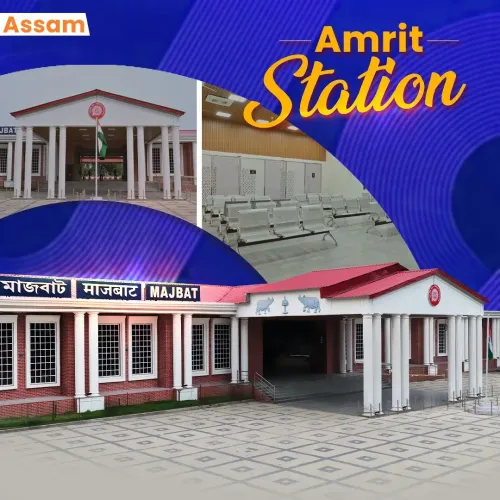
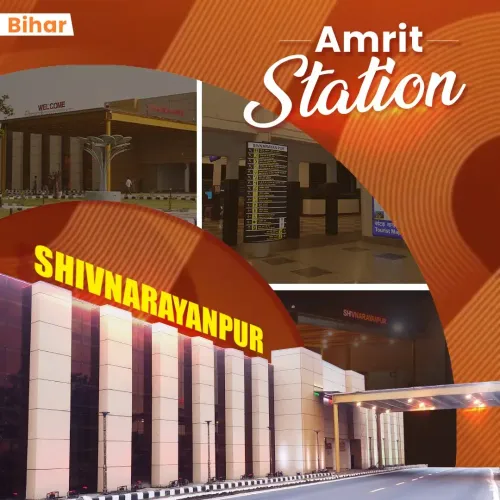
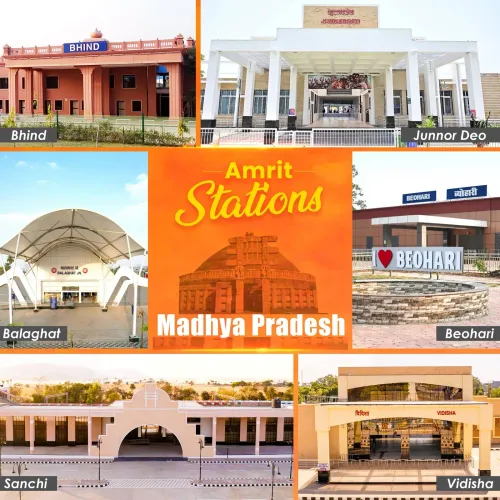
Vaishnaw: 1,340 Stations Being Redeveloped Under Amrit Bharat
Synopsis
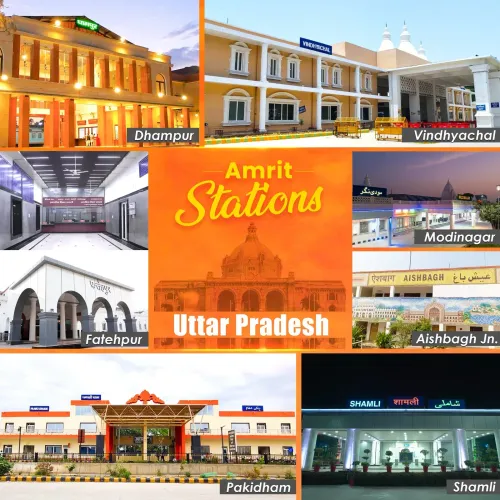
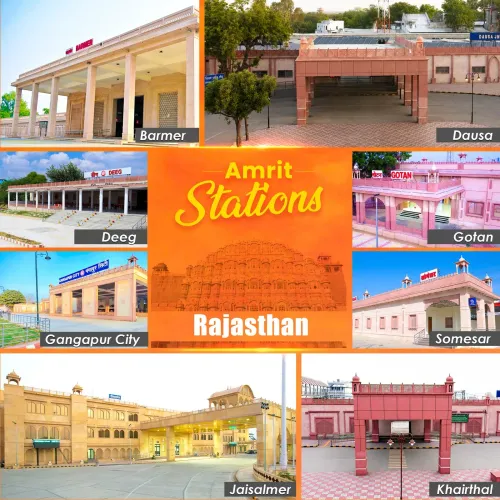
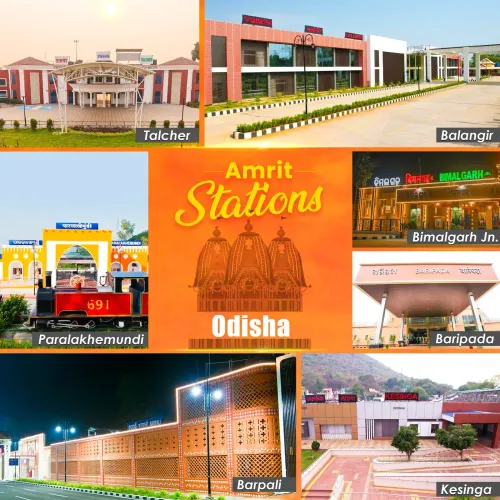
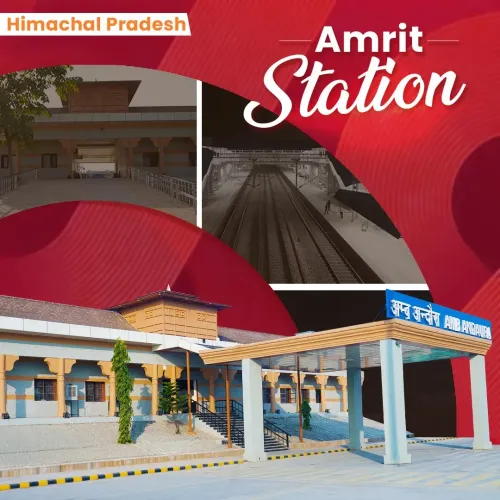
Union Minister Ashwini Vaishnaw has announced that 1,340 stations are being redeveloped under the Amrit Bharat Station Scheme, invoking the 'Virasat Bhi, Vikas Bhi' vision to balance heritage preservation with large-scale modernisation across India's vast rail network.
Key Takeaways
1,340 railway stations are currently under redevelopment under the Amrit Bharat Station Scheme, exceeding the original target of 1,275.
The scheme operates under the dual mandate of 'Virasat Bhi, Vikas Bhi' — preserving heritage while building modern passenger infrastructure.
The programme falls under a ₹2.5 lakh crore five-year outlay for station infrastructure announced in Budget 2022-23 .
Indian Railways operates over 13,000 stations and serves more than 8 billion passengers annually, making this one of India's largest infrastructure undertakings.
Each station is being designed with multimodal integration , accessibility upgrades, and green building standards.
Parliamentary scrutiny on expenditure and timelines is expected during the monsoon session .
Union Minister Ashwini Vaishnaw on Wednesday, June 10, 2026 highlighted the scale of the government's railway station overhaul, stating that 1,340 stations are currently being redeveloped under the Amrit Bharat Station Scheme — each designed, in his words, 'for the future.'
Context
The minister's post, framed around the slogan 'Virasat Bhi, Vikas Bhi' (Heritage too, Development too), encapsulates the dual mandate of the Amrit Bharat Station Scheme: preserve the architectural and cultural character of India's historic stations while simultaneously upgrading passenger infrastructure to modern standards. The phrase has become a recurring motif in the government's communications on infrastructure policy under the Amrit Kaal vision.
The post is the fourth in what appears to be a numbered series by Vaishnaw cataloguing flagship rail initiatives, suggesting a structured rollout of messaging around the Railways ministry's achievements.
Policy Backdrop
The Amrit Bharat Station Scheme was formally launched in February 2023, initially targeting the redevelopment of 1,275 stations across the Indian Railways network. The scheme falls under a broader ₹2.5 lakh crore outlay announced in Budget 2022-23 for station-level infrastructure over five years.
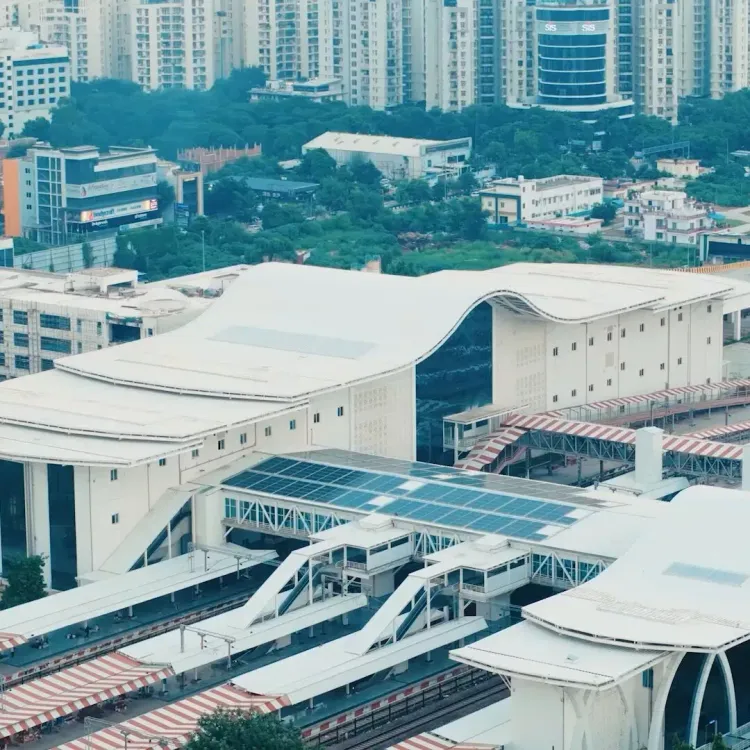
Indian Railways operates more than 13,000 stations and carries over 8 billion passengers annually, making station redevelopment one of the largest public-infrastructure undertakings in the country. The scheme mandates multimodal integration — connecting rail terminals with metro, bus, and road networks — alongside amenities such as elevated concourses, improved accessibility, and green building standards.
Prime Minister Narendra Modi has publicly launched multiple phases of the redevelopment programme and has personally articulated the 'Virasat Bhi, Vikas Bhi' framing, linking station upgrades to a wider cultural-preservation agenda that has also shaped urban renewal and tourism-circuit projects since 2014.
Stakeholders and Impact
The redevelopment programme directly affects railway passengers who use the targeted stations daily, as well as station-area traders whose livelihoods are tied to footfall and commercial space allocations in upgraded terminals. Heritage conservation groups have a stake in ensuring that modernisation does not erase the architectural identity of colonial-era and pre-independence stations.
The scheme also intersects with concurrent rail initiatives — including Kavach automatic train-protection rollout, Vande Bharat train expansion, and dedicated freight corridor development — forming part of a multi-pronged transformation of the national rail network. Together, these programmes represent the most significant capital investment cycle in Indian Railways in decades.
What's Next
Parliamentary scrutiny of the scheme is expected to intensify during the upcoming monsoon session, with opposition members likely to seek station-wise expenditure breakdowns and completion timelines. State governments may also pursue memoranda of understanding with the Railways ministry for multimodal integration at redeveloped stations in their jurisdictions.
As the number of stations under active redevelopment — now cited at 1,340 — edges beyond the scheme's original target of 1,275, the government's ability to demonstrate on-ground progress at completed stations will be central to sustaining political and public momentum behind the programme.
Point of View
Building a public record of ministry milestones ahead of likely parliamentary scrutiny. The 'Virasat Bhi, Vikas Bhi' framing is politically significant: it allows the BJP to simultaneously claim the mantle of cultural guardianship and developmental ambition, two pillars of its electoral identity. The upward revision from 1,275 to 1,340 stations, if borne out on the ground, would represent a meaningful expansion of scope mid-programme. The broader pattern — heritage-plus-development rhetoric applied to transport assets — mirrors the government's approach to urban renewal and tourism circuits, suggesting a unified ideological template rather than a sector-specific policy choice.
NationPress
25 Oct 2026
Frequently Asked Questions
What is the Amrit Bharat Station Scheme?
The Amrit Bharat Station Scheme is a central government programme launched in February 2023 to comprehensively redevelop railway stations across India, preserving their heritage character while adding modern amenities such as elevated concourses, multimodal connectivity, and green infrastructure.
How many stations are being redeveloped under Amrit Bharat?
Union Minister Ashwini Vaishnaw has stated that 1,340 stations are currently being redeveloped under the scheme, up from the original target of 1,275 stations announced at launch.
What does 'Virasat Bhi, Vikas Bhi' mean in the context of Indian Railways?
'Virasat Bhi, Vikas Bhi' translates to 'Heritage too, Development too' and is the guiding philosophy of the Amrit Bharat Station Scheme, which aims to modernise stations without erasing their architectural and cultural identity.
How much money has been allocated for railway station redevelopment in India?
Budget 2022-23 announced a ₹2.5 lakh crore outlay for station-level infrastructure over five years under the Amrit Bharat framework.
When will Amrit Bharat station redevelopment be completed?
No single nationwide completion deadline has been publicly confirmed; parliamentary replies during the monsoon session are expected to provide station-wise expenditure details and timelines.