Vaishnaw Visits STPI Patna to Boost Tier-2 Startup Growth
Synopsis
Union Minister Ashwini Vaishnaw visited the STPI centre in Patna on 19 June 2026 alongside Bihar CM Samrat Choudhary, engaging with young entrepreneurs to strengthen government support for startups in Tier-2 and Tier-3 cities under India's Digital India and Startup India frameworks.
Key Takeaways
Union Minister Ashwini Vaishnaw visited STPI Patna on 19 June 2026 to engage with local entrepreneurs.
Bihar CM Samrat Choudhary participated in the interaction, reflecting coordinated centre-state effort.
STPI , established in 1991 , provides infrastructure, incubation and export incentives to IT firms and startups.
The visit is part of a broader push to expand India's startup ecosystem beyond metro cities into Tier-2 and Tier-3 locations.
Bihar has been prioritised under Digital India to raise its share of national software exports and tech employment.
The Startup India initiative (launched January 2016 ) underpins the policy framework supporting these decentralisation efforts.
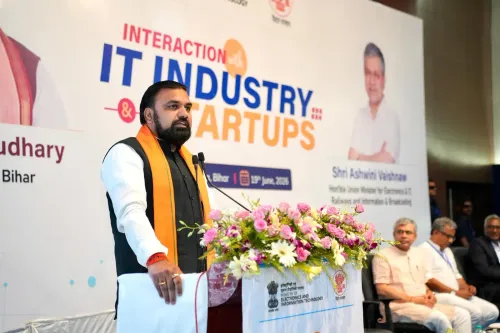
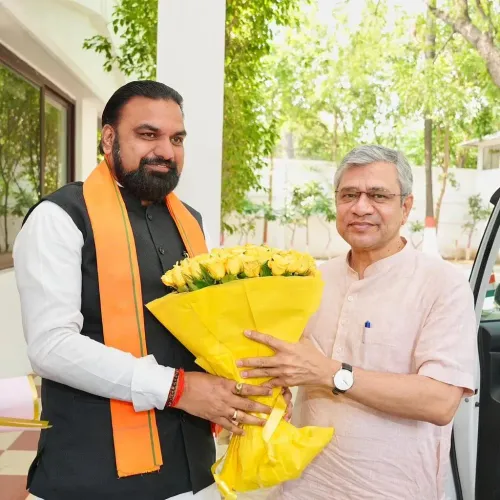
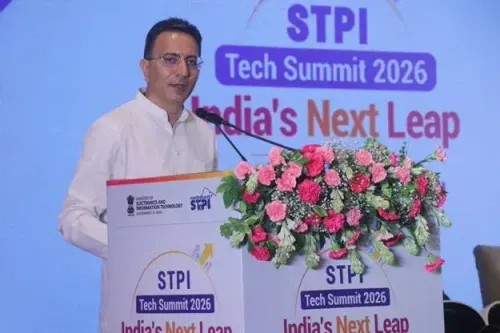
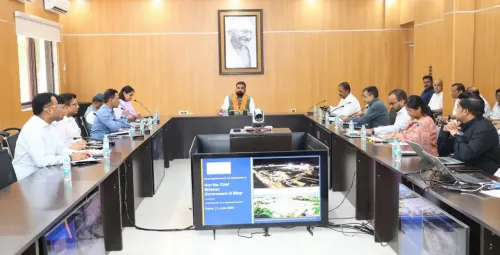
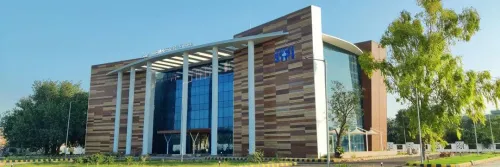
Union Minister Ashwini Vaishnaw visited the Software Technology Parks of India (STPI) centre in Patna on Friday, 19 June 2026, engaging with young entrepreneurs to assess the state of Bihar's emerging startup ecosystem and explore ways to deepen government support. The visit was conducted alongside Bihar Chief Minister Samrat Choudhary, signalling coordinated state-centre effort to accelerate technology-driven growth in eastern India.
Context
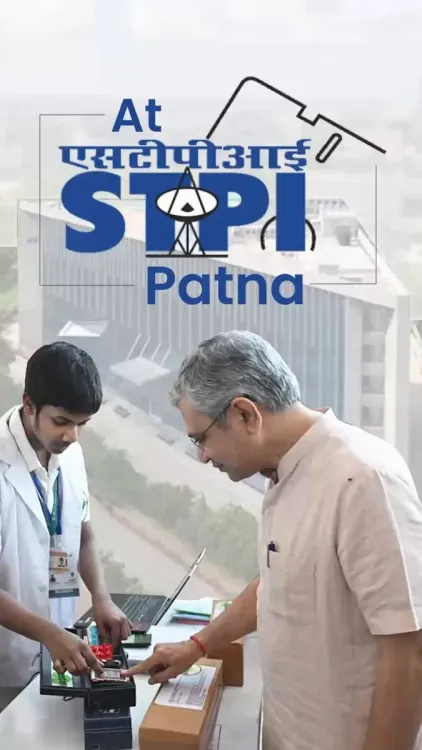
Vaishnaw took to X to share his experience at the Patna STPI centre, writing that he was 'expanding India's startup ecosystem with STPI centres across Tier-2 and Tier-3 cities.' He noted that he 'interacted with young entrepreneurs, heard their experiences and discussed ways to further strengthen government support' together with Bihar CM Samrat Choudhary. The visit underscores a growing emphasis on bringing institutional tech infrastructure to cities beyond the established hubs of Bengaluru, Hyderabad and the National Capital Region.
Policy Backdrop
Software Technology Parks of India, established in 1991 under the Ministry of Electronics and Information Technology (MeitY), has long served as the backbone of India's software export infrastructure, offering physical workspace, high-speed connectivity, incubation support and export incentives. Between 2018 and 2022, the government expanded STPI's footprint into smaller cities under the broader Digital India programme, recognising that talent and entrepreneurial energy are not confined to metro centres.
The Startup India initiative, launched in January 2016, complemented this push by offering tax relief, simplified compliance and improved funding access to first-generation entrepreneurs nationwide. Together, these two policy pillars form the structural foundation on which Tier-2 and Tier-3 city startup ecosystems are being built. Bihar, a state with a large youth population and historically low software-export contribution, has been identified as a priority geography under this decentralisation drive.
Stakeholders and Impact
For Bihar's startup community, a functioning STPI centre in Patna means access to subsidised infrastructure, mentorship networks and export facilitation that were previously available only to entrepreneurs willing to relocate to larger cities. This lowers the barrier to entry for local founders and retains talent within the state. Broader eastern India also stands to benefit, as Patna can serve as a regional node drawing entrepreneurs from neighbouring districts and states.
The presence of Bihar CM Samrat Choudhary at the interaction signals that the state government views the STPI centre as a strategic asset in Bihar's economic development agenda. Coordinated centre-state engagement is critical for translating national policy intent into on-ground outcomes — from land allocation and power supply to local skilling programmes that feed the startup pipeline.
What's Next
Observers will watch for follow-up announcements on operational capacity, occupancy targets and any new incubation programmes tied to the Patna STPI centre. Parliamentary sessions and Union Budget deliberations typically surface allocation decisions for MeitY-run infrastructure, and the minister's direct field engagement often precedes policy refinements. The trajectory of India's Tier-2 and Tier-3 startup decentralisation will increasingly be measured by employment generation and software export figures from states like Bihar — metrics that will test whether the infrastructure investment translates into durable economic outcomes.
Point of View
Signalling joint ownership of outcomes. The focus on Tier-2 and Tier-3 cities reflects a recognition that India's next phase of startup growth cannot be sustained by a handful of metro hubs alone. Whether this engagement produces measurable follow-through — in occupancy rates, funding pipelines and export figures from Bihar — will be the real test of the policy's depth.
NationPress
19 Sept 2026
Frequently Asked Questions
What is STPI and what does it do for startups in India?
STPI, or Software Technology Parks of India, is a government body under MeitY established in 1991 that provides startups and IT firms with subsidised infrastructure, high-speed connectivity, incubation support and export incentives, particularly in cities outside major metros.
Why did Ashwini Vaishnaw visit Patna's STPI centre in June 2026?
Vaishnaw visited STPI Patna on 19 June 2026 to interact with young entrepreneurs, understand their challenges and discuss ways to strengthen government support for startups in Bihar as part of India's drive to expand its tech ecosystem into Tier-2 and Tier-3 cities.
What is the Startup India scheme and how does it help entrepreneurs?
Startup India, launched in January 2016, is a flagship government initiative that offers tax relief, simplified compliance norms and improved access to funding to encourage first-generation entrepreneurs and build a nationwide culture of innovation.
How is Bihar being targeted under Digital India for startup growth?
Bihar has been identified as a priority state under Digital India and the STPI expansion drive, with the Patna STPI centre aimed at providing eastern India's entrepreneurs with the infrastructure and policy support previously available mainly in cities like Bengaluru and Hyderabad.
What role did Bihar CM Samrat Choudhary play in the Patna STPI visit?
Bihar CM Samrat Choudhary joined Union Minister Vaishnaw at the STPI Patna interaction, signalling active state government participation in promoting the centre as a strategic asset for Bihar's economic and technology development agenda.