Vaishnaw Thanks PM Modi, Cites Viksit Bharat Vision

Synopsis
Union Minister Ashwini Vaishnaw publicly thanked Prime Minister Narendra Modi on 18 July 2026, saying his visionary leadership inspires the mission to build a developed India by 2047 under the Viksit Bharat framework.
Key Takeaways
Ashwini Vaishnaw posted a public message of gratitude to PM Narendra Modi on 18 July 2026 .
He credited Modi's leadership with inspiring progress toward the Viksit Bharat vision of a developed India by 2047 .
Viksit Bharat 2047 was articulated by PM Modi in his 2022 Independence Day address as a guiding national framework.
Vaishnaw oversees Railways , Information and Broadcasting , and Electronics and IT — three portfolios central to the Viksit Bharat agenda.
Such public affirmations by cabinet ministers reflect the BJP's emphasis on centralised, vision-driven leadership communication.
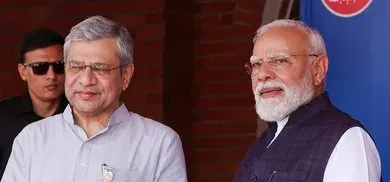
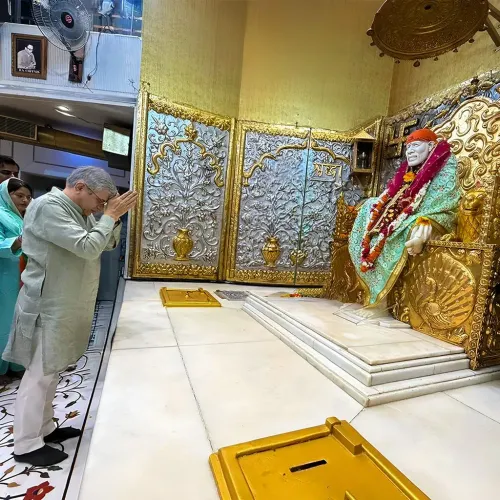
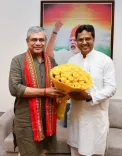
Union Minister Ashwini Vaishnaw on Saturday, 18 July 2026 took to X to express gratitude to Prime Minister Narendra Modi, crediting his leadership with inspiring progress toward the Viksit Bharat vision of a developed India by 2047.
In his post, Vaishnaw wrote: 'माननीय प्रधानमंत्री जी, हृदय से धन्यवाद।' ('Honourable Prime Minister, heartfelt thanks.'), adding that Modi's 'visionary leadership inspires the realisation of the resolve of a developed India.'
Context
The post is a public expression of appreciation directed at PM Modi by one of his senior cabinet colleagues. Vaishnaw holds three of the government's most technology- and infrastructure-facing portfolios — Railways, Information and Broadcasting, and Electronics and Information Technology — all of which are directly tied to the Viksit Bharat 2047 agenda.
Such expressions of alignment from cabinet ministers to the Prime Minister are a recurring feature of the BJP's communication style on social media, reflecting the party's emphasis on centralised, vision-driven leadership.
Policy Backdrop
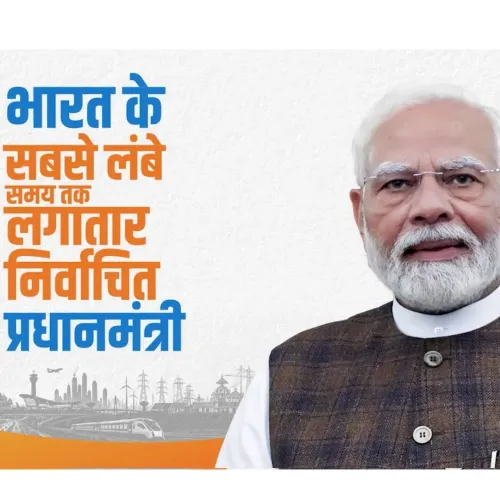
Viksit Bharat — meaning 'Developed India' — is the overarching national goal articulated by PM Modi to transform India into a fully developed economy by 2047, the centenary of independence. The framework was prominently set out in Modi's Independence Day address in 2022 and has since served as a guiding lens for ministry-level planning across infrastructure, digital governance, and manufacturing.
Under Vaishnaw's stewardship, several flagship initiatives — including railway modernisation, the rollout of high-speed corridors, and expansion of digital public infrastructure — have been positioned as concrete deliverables under the Viksit Bharat umbrella. The Ministry of Electronics and Information Technology has similarly framed India's semiconductor ambitions and digital-stack expansion within this long-term target.
Stakeholders and Impact
The Viksit Bharat goal touches virtually every segment of Indian society, from rural citizens accessing government services digitally to urban commuters on modernised rail networks. Central ministers, including Vaishnaw, serve as both architects and public communicators of this agenda.
Public posts of this nature reinforce the government's narrative of cohesive, top-down vision — signalling to both domestic audiences and international observers that the cabinet remains aligned around PM Modi's long-term development framework.
What's Next
The broader Viksit Bharat agenda is expected to see further milestones in upcoming Union Budget allocations and NITI Aayog progress reports, where ministry-level targets are reviewed and recalibrated. Vaishnaw's three portfolios will remain among the most closely watched for measurable delivery against the 2047 goal. As India's infrastructure and digital ambitions scale, public affirmations of this shared vision by senior ministers are likely to continue accompanying each major rollout.
Point of View
But its timing and framing underscore how deeply the Viksit Bharat narrative has been institutionalised as the BJP's central governing idiom. By invoking 'visionary leadership,' Vaishnaw reinforces the party's practice of anchoring all major policy deliverables — from rail modernisation to digital infrastructure — to PM Modi's personal authority. This pattern of public alignment serves both an internal party function and an external communication one, projecting governmental cohesion. As the 2047 deadline remains a long-horizon target, such affirmations also help sustain political momentum around an agenda that must deliver tangible results well before the next election cycle.
NationPress
18 Jul 2026
Frequently Asked Questions
What did Ashwini Vaishnaw say about PM Modi on 18 July 2026?
Vaishnaw posted on X expressing heartfelt gratitude to PM Modi and said his visionary leadership inspires the realisation of the Viksit Bharat goal of a developed India by 2047.
What is Viksit Bharat 2047?
Viksit Bharat, meaning 'Developed India,' is PM Modi's national vision to transform India into a fully developed economy by 2047, the centenary of Indian independence, first prominently articulated in his 2022 Independence Day address.
What portfolios does Ashwini Vaishnaw hold?
Ashwini Vaishnaw is Union Minister for Railways, Information and Broadcasting, and Electronics and Information Technology in the BJP-led central government.
Why do BJP ministers frequently post tributes to PM Modi on X?
Public expressions of gratitude and alignment by cabinet ministers reflect the BJP's centralised leadership style, where ministers regularly signal cohesion with the Prime Minister's vision on social media platforms.
How does Vaishnaw's ministry connect to Viksit Bharat?
Vaishnaw's three portfolios — Railways, Information and Broadcasting, and Electronics and IT — are directly linked to Viksit Bharat through railway modernisation, digital public infrastructure expansion, and India's semiconductor and technology ambitions.