CM Mohan Yadav hails 'Vande Mataram' at Red Fort on I-Day
Synopsis
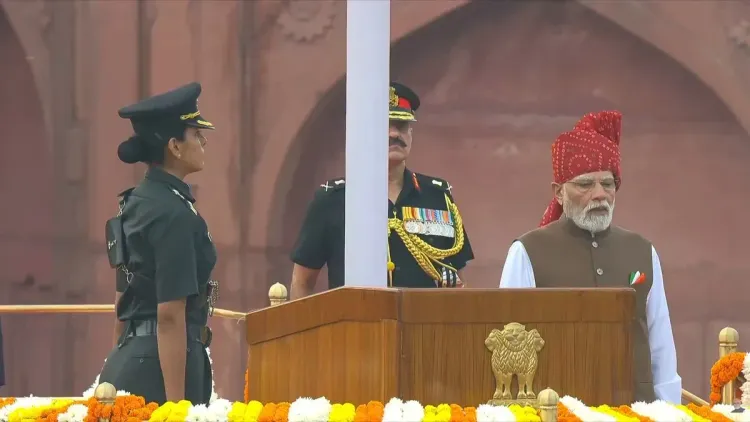
Madhya Pradesh CM Dr. Mohan Yadav celebrated what he called a historic first on Independence Day 2026 — the singing of Vande Mataram from the Red Fort ramparts under PM Narendra Modi's leadership, echoing a broader BJP emphasis on national cultural symbols.
Key Takeaways
Madhya Pradesh CM Dr.
Mohan Yadav posted on 15 August 2026 hailing the rendition of Vande Mataram at the Red Fort Independence Day ceremony.
He described it as the first time the national song was sung from the Red Fort on Independence Day since India's independence.
Vande Mataram , composed by Bankim Chandra Chatterjee , was adopted as India's national song by the Constituent Assembly in 1950 .
The Red Fort in Delhi has been the traditional venue for the Prime Minister's Independence Day address since 1947 .
The post reflects the BJP's consistent emphasis on elevating national cultural symbols in official ceremonies.
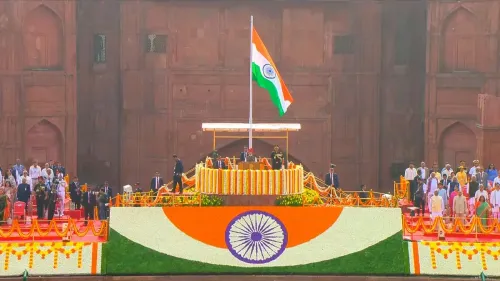
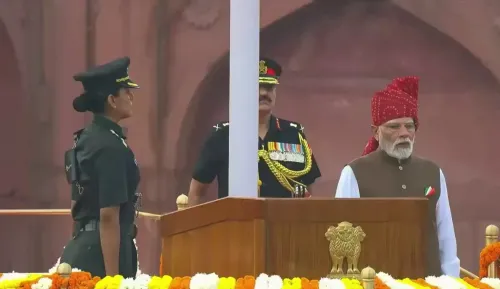
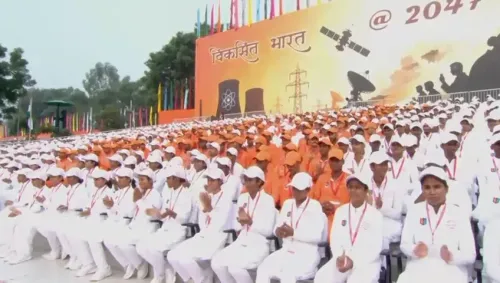
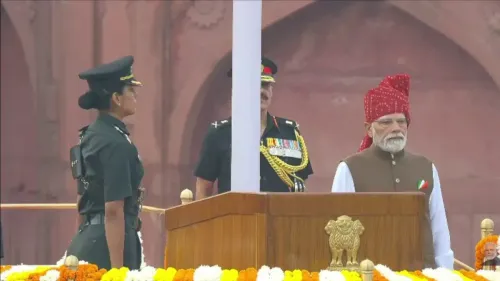
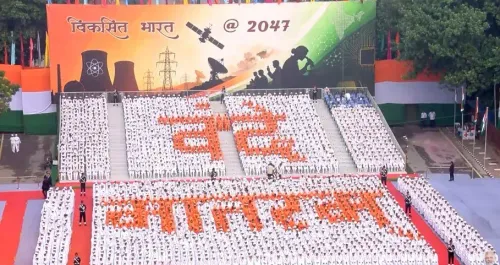
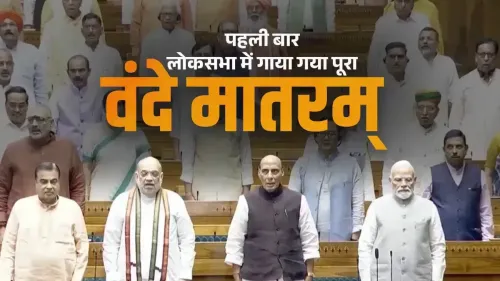
For the first time since Independence, the walls of the Red Fort echoed with Vande Mataram — India's national song — as part of the Independence Day ceremony on 15 August 2026, a moment Madhya Pradesh Chief Minister Dr. Mohan Yadav marked with open pride on social media.
In his post, Dr. Yadav described the rendition as historic, writing that under the leadership of Prime Minister Narendra Modi, Vande Mataram was sung from the ramparts of the Red Fort on Independence Day 'for the first time after independence.' The post carried the hashtags #IndependenceDay and #IndiaIndependenceDay, amplifying the moment across BJP's digital network.
A song born in struggle, now centre-stage at the Fort
Composed by Bankim Chandra Chatterjee, Vande Mataram — meaning 'I bow to thee, Mother' — was the rallying cry of the independence movement long before the tricolour was designed. The Constituent Assembly formally adopted it as India's national song in 1950, giving it equal honour alongside the national anthem, though the two have historically occupied different ceremonial spaces.
The Red Fort in Delhi has been the traditional stage for the Prime Minister's Independence Day address and flag-hoisting since 1947. Incorporating Vande Mataram into that ceremony, if confirmed, would mark a deliberate expansion of the musical programme at the country's most watched annual ritual.
BJP's cultural emphasis and the Red Fort as symbol
State-level BJP leaders routinely amplify central government messaging around national symbols on Independence Day, and Dr. Yadav's post fits squarely within that pattern. The BJP has, across its years in government, placed consistent emphasis on elevating Vande Mataram in public and official life — from school programmes to government functions — as part of a broader push to centre cultural heritage in civic ceremonies.
For millions of Indians, hearing the song ring out from the Red Fort carries weight that goes beyond protocol. It is the sound that once defied colonial rule. Placing it at the heart of Independence Day — on the same ramparts from which the Prime Minister addresses the nation — is a statement about which traditions the current government wants at the front of the frame.
Whether this becomes a permanent fixture in the Red Fort's Independence Day programme will be closely watched in the years ahead — but for now, the moment has already been claimed, celebrated, and broadcast.
Point of View
Educational, and now prime-time national occasions. For CM Yadav, amplifying this moment is both genuine sentiment and political signalling, reinforcing alignment with the central leadership's cultural agenda ahead of any electoral cycle. The choice of the Red Fort — India's most potent Independence Day symbol — as the venue for this 'first' gives the moment outsized resonance. Whether it hardens into permanent protocol or remains a one-time highlight is the question that will define its lasting significance.
NationPress
29 Sept 2026
Frequently Asked Questions
Was Vande Mataram sung at the Red Fort on Independence Day 2026?
According to a post by Madhya Pradesh CM Dr. Mohan Yadav, Vande Mataram was sung from the Red Fort ramparts on Independence Day 2026 — described as the first such rendition since India's independence. This specific claim has not been independently verified in available records.
What is the difference between India's national anthem and national song?
'Jana Gana Mana' is India's national anthem, while 'Vande Mataram' is the national song. Both hold equal honour under the Constitution, but they are used in different ceremonial contexts.
Who composed Vande Mataram?
Vande Mataram was composed by Bengali author and poet Bankim Chandra Chatterjee. It first appeared in his 1882 novel 'Anandamath' and became a rallying anthem of India's independence movement.
When was Vande Mataram adopted as India's national song?
The Constituent Assembly adopted Vande Mataram as India's national song in 1950, the same year the Constitution of India came into effect.
Why did CM Mohan Yadav post about Vande Mataram on Independence Day?
Dr. Mohan Yadav, Chief Minister of Madhya Pradesh and BJP leader, posted to celebrate what he called a historic first — the singing of Vande Mataram from the Red Fort under PM Narendra Modi's leadership, reflecting the BJP's broader emphasis on national cultural symbols.