Varanasi court revives case against Rahul Gandhi over Lord Ram remarks
Synopsis
A Varanasi MP/MLA court has revived a criminal complaint against Rahul Gandhi over his alleged description of Lord Ram as a 'fictional character' at Brown University — overturning a lower court's dismissal and sending the matter back for fresh judicial consideration. The case now hinges on whether remarks made overseas by an elected MP attract parliamentary immunity.
Key Takeaways
Varanasi MP/MLA court on 10 June 2025 set aside the ACJM's earlier dismissal of the complaint against Rahul Gandhi .
The complaint relates to Gandhi's alleged remarks describing Lord Ram as a 'fictional character' at Brown University, Boston on 21 April 2025 .
Revisional court held the Magistrate dismissed the complaint prematurely, without hearing the complainant.
Complaint alleges offences under Sections 196, 351, and 353 of the Bharatiya Nyaya Sanhita (BNS) .
The ACJM had on 27 May 2025 ruled the case not maintainable without Lok Sabha Speaker sanction — a finding now set aside for fresh examination.
The AICC was also named as a respondent in the original complaint.
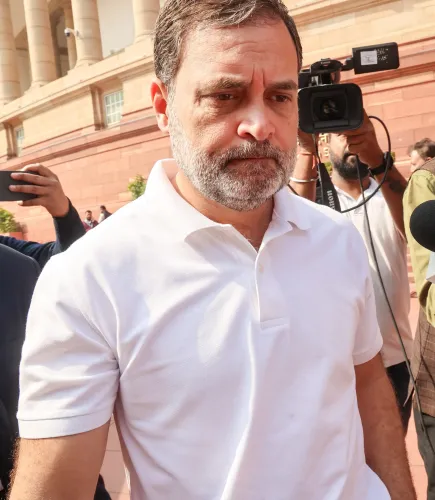
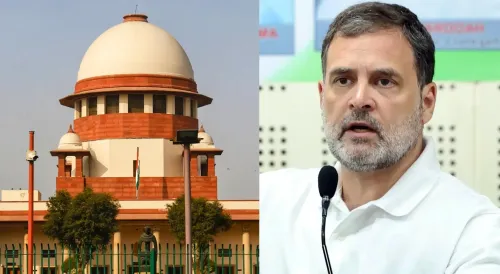
A special MP/MLA court in Varanasi on 10 June 2025 allowed a fresh complaint seeking criminal proceedings against Congress leader and Leader of Opposition in the Lok Sabha, Rahul Gandhi, over his alleged remarks describing Lord Ram as a 'fictional' character during an interaction in the United States. The court's order revives a case that had been dismissed at the threshold by a lower court just two weeks earlier.
What the Court Ordered
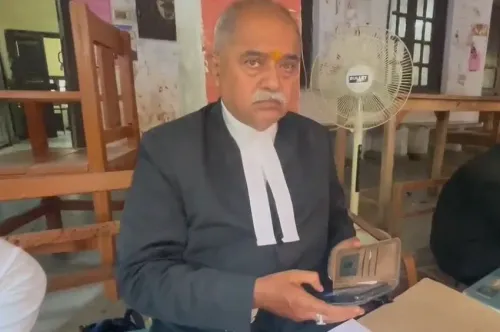
Additional District and Sessions Judge (MP/MLA) Yajuvendra Vikram Singh allowed a criminal revision petition filed by advocate Harishankar Pandey and set aside an earlier order of the Additional Chief Judicial Magistrate (ACJM), which had rejected the complaint as not maintainable. The revisional court held that the Magistrate had dismissed the complaint prematurely, without granting the complainant an opportunity of hearing, and directed that the matter be reconsidered afresh in accordance with law.
Crucially, the Special Judge recorded that Gandhi's alleged statement was made at Brown University in the US — and not during parliamentary proceedings — and held that the matter required proper judicial consideration by the Magistrate under the Bharatiya Nagarik Suraksha Sanhita (BNSS).
The Core Legal Dispute
The central question before the revisional court was whether prior sanction from Lok Sabha Speaker Om Birla was necessary before proceeding against a sitting Member of Parliament. The ACJM had, on 27 May 2025, rejected the complaint on precisely this ground, ruling it not maintainable without such sanction.
Pandey challenged that finding, arguing that since the alleged remarks were made outside Parliament — specifically during an interaction at Brown University in Boston on 21 April 2025 — the Speaker's sanction requirement did not apply. The Special Judge agreed that the question warranted fuller judicial examination and remitted the matter back to the Magistrate.
Allegations in the Complaint
In his complaint, Pandey alleged that Gandhi's remarks amounted to offences punishable under Sections 196, 351, and 353 of the Bharatiya Nyaya Sanhita (BNS), contending that the statement hurt the religious sentiments of followers of Sanatan Dharma and promoted disharmony among communities. The original complaint also named the All India Congress Committee (AICC) as a respondent, alleging that the party could not evade responsibility for the remarks attributed to its senior leader.
Gandhi represents the Raebareli constituency in the Lok Sabha and serves as the Leader of Opposition — a constitutionally significant position that has added political weight to the case.
Background and Context
This is not the first time Gandhi has faced legal complaints over remarks made during overseas interactions. The 21 April 2025 Brown University event, where he allegedly referred to Lord Ram as a 'mythological and fictional character', triggered multiple complaints across different states. The Varanasi case is among the most legally advanced, having now cleared the threshold challenge at the revisional stage.
Notably, the case turns on a procedural question with broader implications: whether statements made by elected representatives outside Parliament attract the same immunity protections as those made inside the House. The Special Judge's order suggests that question is far from settled.
What Happens Next
The matter now returns to the ACJM for fresh consideration in accordance with law. The Magistrate will be required to hear the complainant before passing any order on maintainability. Whether the court ultimately takes cognisance of the complaint — and whether the sanction question resurfaces — will determine the trajectory of the case in the weeks ahead.
Point of View
Think tanks, and diaspora events. The AICC's inclusion as a co-respondent is also unusual and signals an attempt to widen political accountability. What the case will not resolve quickly is the underlying substantive question; remand orders typically extend timelines, not shorten them.
NationPress
22 Sept 2026
Frequently Asked Questions
What did Rahul Gandhi allegedly say about Lord Ram?
Gandhi allegedly referred to Lord Ram as a 'mythological and fictional character' during an interaction at Brown University in Boston on 21 April 2025. The remarks were not made in Parliament and are the basis of the criminal complaint filed in Varanasi.
Why was the complaint initially rejected?
The Additional Chief Judicial Magistrate (ACJM) in Varanasi rejected the complaint on 27 May 2025, ruling it was not maintainable without prior sanction from Lok Sabha Speaker Om Birla to proceed against a sitting Member of Parliament.
What did the Varanasi revisional court decide on 10 June 2025?
Additional District and Sessions Judge Yajuvendra Vikram Singh set aside the ACJM's order, holding that the complaint was dismissed prematurely without a hearing. The court directed the Magistrate to reconsider the complaint afresh under the BNSS.
What offences are alleged against Rahul Gandhi?
The complaint alleges offences under Sections 196, 351, and 353 of the Bharatiya Nyaya Sanhita (BNS), relating to promoting enmity and hurting religious sentiments of followers of Sanatan Dharma.
What happens next in the case?
The matter returns to the ACJM for fresh consideration, where the Magistrate must now hear the complainant before ruling on maintainability. Whether the court ultimately takes cognisance of the complaint will depend on how the sanction question is resolved in that fresh hearing.