How is VB–G RAM G Paving the Way for a Viksit Bharat?
Synopsis
Discover how Union Minister Shivraj Singh Chouhan's announcement of a monumental Rs 10 lakh crore investment under the VB–G RAM G scheme aims to transform rural India. With increased employment days and substantial funding, this initiative seeks to uplift various societal segments, paving the way for a Viksit Bharat. Explore the key features and implications of this transformative programme.
Key Takeaways
Rs 10 lakh crore investment in rural development over five years.
Guaranteed 125 days of employment per year.
Allocation of Rs 1.51 lakh crore for rural programmes in the first year.
Additional Rs 55,000 crore through the Finance Commission.
Provisions for unemployment allowances if work is not provided.
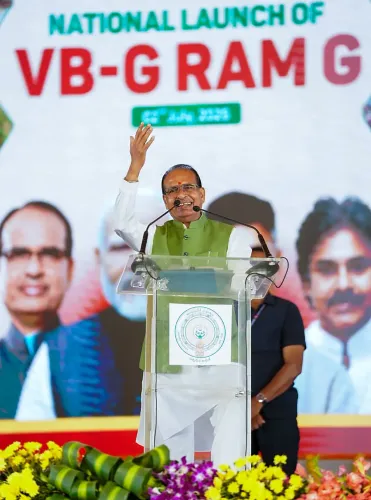
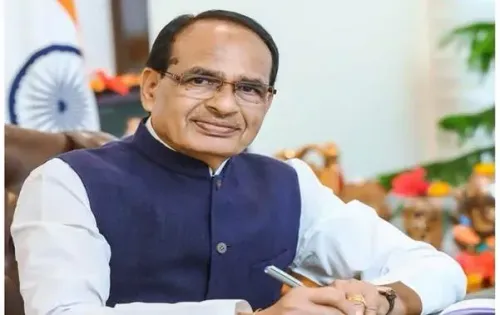
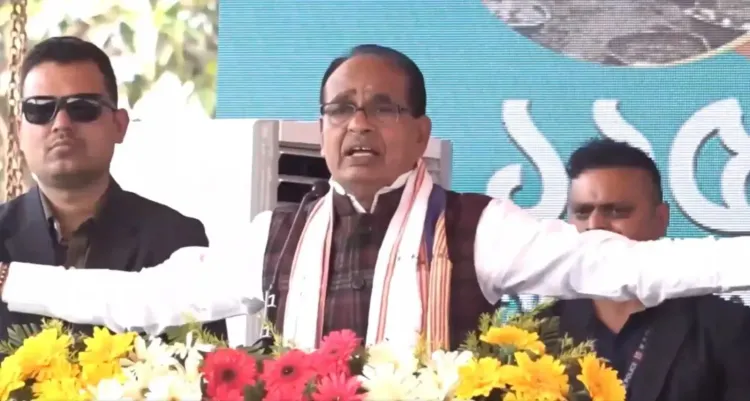
Agartala, Feb 11 (NationPress) Union Minister for Agriculture, Farmers' Welfare and Rural Development Shivraj Singh Chouhan announced that a staggering Rs 10 lakh crore will be allocated across rural India in the next five years under the Viksit Bharat–Guarantee for Rozgar and Ajeevika Mission (Gramin) (VB–G RAM G). This initiative lays out an extensive roadmap for achieving a Viksit Bharat.
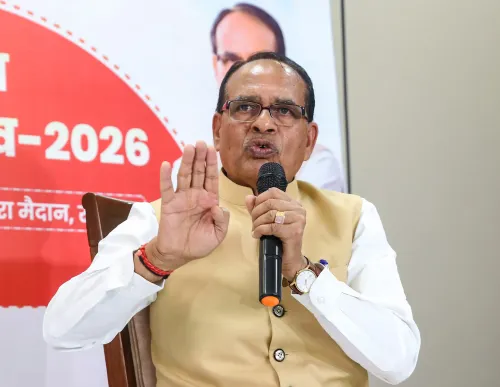
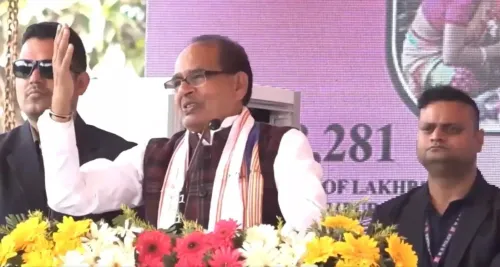
While addressing a conference on the VB–G RAM G initiative in Agartala, Chouhan emphasized that the scheme is structured to address the needs of every segment of society.
He highlighted significant aspects of the programme, stating that the VB–G RAM G guarantees 125 days of employment, an enhancement from the previous 100 days.
The allocation for this rural initiative stands at Rs 1,51,282 crore, with an extra Rs 55,000 crore being allocated through the Finance Commission, amounting to over Rs 2 lakh crore annually.
Over the next five years, a total of Rs 10 lakh crore will be invested in rural areas under the VB–G RAM G programme.
Chouhan noted that there are 2.86 crore Gram Panchayats nationwide, each expected to receive between Rs 1.50 crore and Rs 2.75 crore over the five years.
In contrast to previous administrations, he mentioned that Rs 2.13 lakh crore was spent on rural job schemes during the UPA government across a decade, while the NDA government has already allocated Rs 8.54 lakh crore in the last ten years.
Under the VB–G RAM G scheme, measures have been implemented to ensure that beneficiaries receive an unemployment allowance if employment is not provided upon demand.
If wage payments are delayed, workers will be entitled to receive their payments along with interest.
The administrative budget for the scheme has been augmented from 6% to 9%, ensuring that salary-related issues for Panchayat secretaries, employment assistants, clerical, and technical staff are resolved.
Chouhan criticized the earlier Left and Congress administrations for the lack of significant rural development in Tripura, stating that under the Pradhan Mantri Awas Yojana (PMAY), solid houses are being built to ensure that no impoverished family remains in a kutcha house.
Addressing criticisms of the scheme, he claimed that a deceptive campaign has been launched against the VB–G RAM G Programme and affirmed that it will significantly benefit tribal and Scheduled Caste communities, along with other impoverished sections.
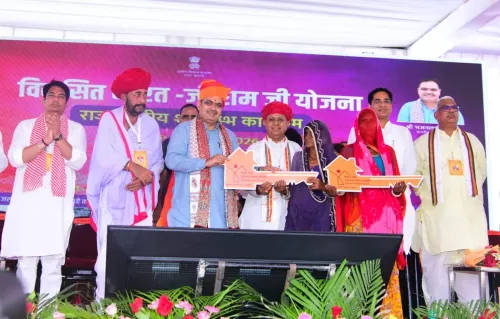
During the event, Chouhan inaugurated and laid the foundation stones for 179 rural development projects in Tripura, involving a total investment of Rs 546.79 crore.
Tripura Chief Minister Manik Saha, Panchayat Minister Kishor Barman, and Rural Development Department Secretary Abhishek Singh were also present at the gathering.
During his address, Chief Minister Saha remarked that the VB–G RAM G Act has rectified numerous flaws in the MGNREGA.
“This reform was essential. It will guarantee more work and facilitate improved funding for rural development. Sustainable infrastructure will be established under this Act, ensuring accountability. We have witnessed how workers were previously misled in the name of providing work,” he added.
He noted that the new legislation would enhance transparency, stating, “This Act signifies a major transformation in India's approach to rural employment and development. Digital tracking and corruption minimization are pivotal reasons for this Act's introduction. The guaranteed employment has been raised from 100 days to 125 days.
Point of View
It's essential to recognize the profound impact of the VB–G RAM G initiative. This ambitious plan not only aims to enhance employment opportunities but also strives to uplift marginalized communities. The commitment to transparency and accountability is a significant step towards sustainable rural development, and the allocation of substantial funds reflects a proactive approach to addressing long-standing issues in rural India.
NationPress
6 Oct 2026
Frequently Asked Questions
What is the VB–G RAM G scheme?
The VB–G RAM G scheme, or Viksit Bharat–Guarantee for Rozgar and Ajeevika Mission (Gramin), is a government initiative aimed at providing employment and developing rural areas in India.
How much funding is allocated under the VB–G RAM G programme?
The programme has an allocation of Rs 10 lakh crore over the next five years for rural development.
What are the key features of the VB–G RAM G scheme?
Key features include a guaranteed 125 days of employment, provisions for unemployment allowance, and increased administrative budget for better execution.
Who will benefit from the VB–G RAM G scheme?
The scheme aims to benefit various sections of society, particularly tribal and Scheduled Caste communities, along with other impoverished groups.
How does the VB–G RAM G scheme compare to previous rural development initiatives?
The VB–G RAM G scheme significantly increases funding and employment guarantees compared to previous governments' efforts, aiming for more substantial and impactful rural development.