Shivraj Singh Chouhan Announces Rs 7.5 Lakh Cr Outlay for VBGRAMG
Synopsis
Union Agriculture Minister Shivraj Singh Chouhan has announced a Rs 7.5 lakh crore outlay over five years under the newly launched VBGRAMG scheme, positioning it as a major rural welfare push under the Viksit Bharat framework aimed at village-level development across India.
Key Takeaways
Rs 7.5 lakh crore has been announced as the total outlay under the VBGRAMG scheme over the next five years .
The announcement was made by Union Agriculture Minister Shivraj Singh Chouhan on 2 July 2026 at the formal launch of the scheme.
VBGRAMG sits within the Viksit Bharat framework, the government's overarching vision for developed-nation status by 2047 .
Primary beneficiaries are rural households and small and marginal farmers , with implementation expected through a centrally-sponsored model.
Detailed guidelines and annual budget allocations are expected to be clarified in the 2026-27 Union Budget and parliamentary committee reviews.
The commitment continues a trend of rising rural allocations seen since 2019 , building on schemes like PMAY-G and PM-KISAN .
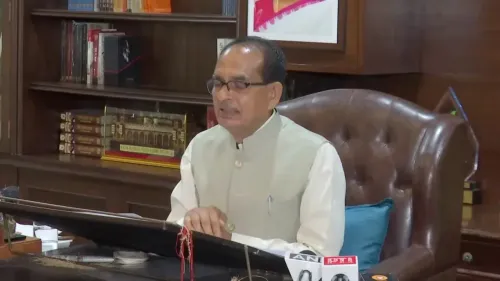
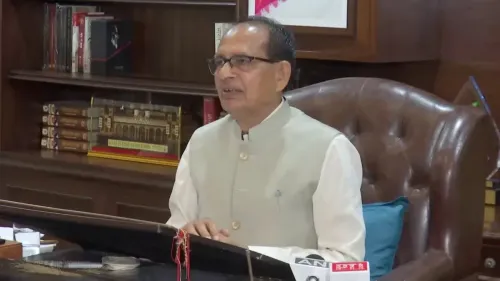
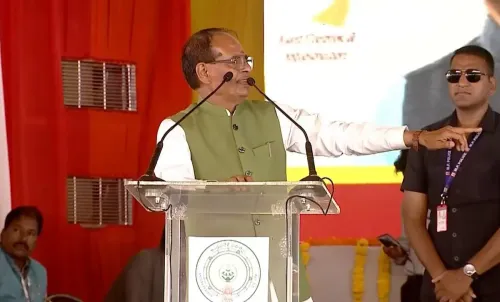
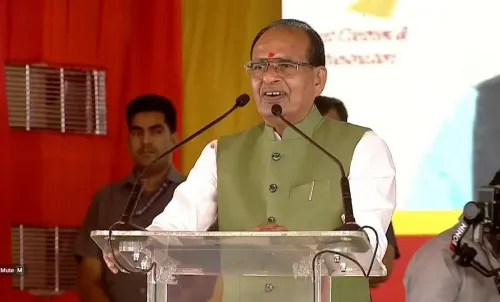
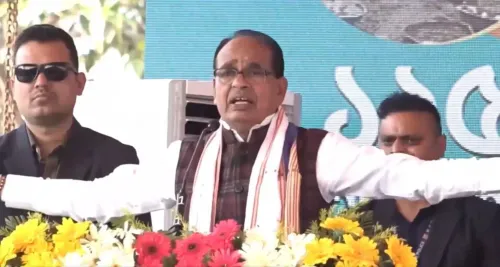
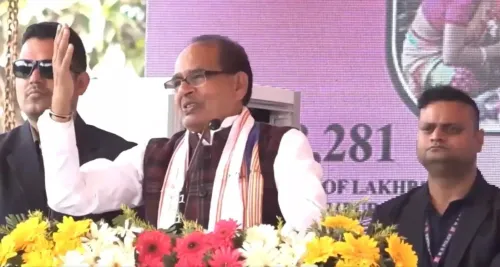
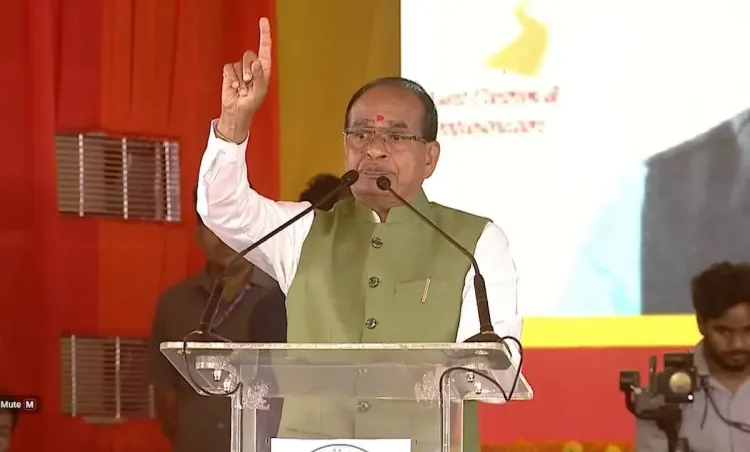
Union Agriculture Minister Shivraj Singh Chouhan on Thursday, 2 July 2026, announced that approximately Rs 7.5 lakh crore will be spent over the next five years under the Viksit Bharat GRAMG (VBGRAMG) scheme, marking one of the largest multi-year rural welfare commitments announced by the central government in recent years.
Context
Chouhan made the announcement on X, posting in Hindi: 'VB - G RAM G के तहत अगले 5 वर्षों में लगभग साढ़े 7 लाख करोड़ रुपये खर्च किए जाएंगे' ('Under VB-GRAMG, approximately Rs 7.5 lakh crore will be spent in the next 5 years'). The post was tagged #LaunchofVBGRAMG, indicating a formal scheme launch event. A video was also shared alongside the post, though its contents were not available for independent review.
The scheme appears to sit within the broader Viksit Bharat framework — the Government of India's flagship vision for achieving developed-nation status by 2047. The 'GRAMG' component suggests a specific focus on gram (village-level) rural welfare delivery.
Policy Backdrop
The announcement follows a pattern of progressively scaled rural spending commitments under the Viksit Bharat umbrella. The Viksit Bharat Sankalp Yatra, launched in 2023, had already set the tone by targeting saturation of central welfare schemes at the household level across rural India, with an emphasis on last-mile delivery.
Successive Union Budgets since 2019 have raised allocations for rural development and agriculture, integrating housing, livelihood and infrastructure programmes — seen in expansions of schemes such as PMAY-G (Pradhan Mantri Awaas Yojana-Gramin) and PM-KISAN. A five-year outlay of Rs 7.5 lakh crore would represent a significant step up in that trajectory, translating to an average annual spend of roughly Rs 1.5 lakh crore under this scheme alone.
Chouhan, a senior BJP leader and former four-term Chief Minister of Madhya Pradesh, has made rural outreach a central pillar of his ministerial tenure, frequently engaging with farmer groups and gram panchayat representatives across states.
Stakeholders and Impact
The primary beneficiaries are expected to be rural households and small and marginal farmers, who form the core constituency of India's village economy. If the announced outlay is disbursed as committed, it could substantially expand access to housing, agricultural support, and rural livelihood programmes over the coming half-decade.
State governments will likely play a key role in implementation, as rural development in India operates on a centrally-sponsored model where states co-fund and administer ground-level delivery. The scale of the commitment also carries implications for fiscal planning at both the central and state levels.
What's Next
Detailed scheme guidelines, component-wise allocations, and annual budget outlays are expected to be elaborated upon in the 2026-27 Union Budget and subsequent parliamentary committee reviews. Formal notifications from the Ministry of Agriculture and Farmers Welfare and the Ministry of Rural Development will be closely watched to understand the scheme's architecture, eligibility criteria, and implementation timelines.
The launch of VBGRAMG signals that rural welfare spending will remain a central political and policy priority for the BJP-led government through at least 2031, with the scale of the commitment likely to feature prominently in the party's outreach to agrarian constituencies ahead of state and national electoral cycles.
Point of View
Embedding village welfare within the politically potent Viksit Bharat brand ahead of multiple state election cycles. A five-year, Rs 7.5 lakh crore commitment signals that the BJP intends to make rural entitlement delivery a structural — not episodic — feature of its governance pitch. For Chouhan personally, anchoring such a flagship launch reinforces his positioning as the government's primary rural-outreach face. The real test will be whether scheme guidelines translate the headline number into verifiable, time-bound disbursements that parliamentary oversight can track.
NationPress
1 Oct 2026
Frequently Asked Questions
What is the VBGRAMG scheme announced by Shivraj Singh Chouhan?
VBGRAMG, or Viksit Bharat GRAMG, is a centrally-launched rural welfare scheme under which the government has announced an outlay of approximately Rs 7.5 lakh crore over the next five years, targeting village-level development and rural households.
How much money will be spent under VBGRAMG?
Union Agriculture Minister Shivraj Singh Chouhan announced that approximately Rs 7.5 lakh crore — roughly Rs 1.5 lakh crore per year — will be spent under VBGRAMG over the next five years.
Who announced the VBGRAMG scheme launch?
Union Agriculture and Rural Development Minister Shivraj Singh Chouhan announced the VBGRAMG scheme launch on 2 July 2026 via a post on X, tagging it #LaunchofVBGRAMG.
What is Viksit Bharat and how does VBGRAMG relate to it?
Viksit Bharat is the Government of India's long-term vision for achieving developed-nation status by 2047. VBGRAMG appears to be a village-focused rural welfare scheme operating under this broader framework, aimed at improving last-mile delivery of central programmes.
Who will benefit from the VBGRAMG scheme?
The primary beneficiaries are expected to be rural households and small and marginal farmers across India, with state governments playing a key role in on-ground implementation of the scheme.