Shivraj Singh Chouhan releases ₹25,863 cr to states under Viksit Bharat G-RAM
Synopsis
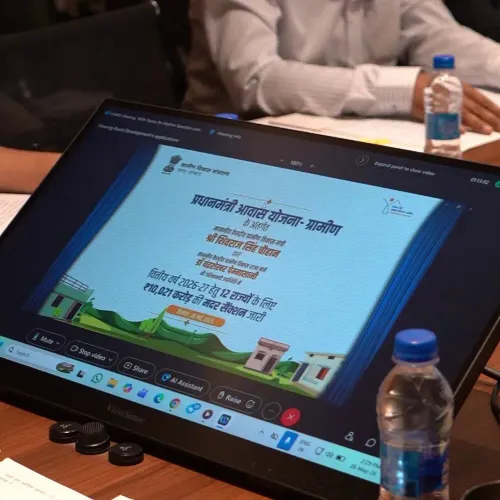
Union Agriculture Minister Shivraj Singh Chouhan announced on 5 July 2026 that ₹25,863 crore is being released to states as the first Mother Sanction under the Viksit Bharat G-RAM initiative, reaffirming the Centre's commitment to ensuring no financial shortfall in scheme implementation.
Key Takeaways
₹25,863 crore released to states as the first 'Mother Sanction' under Viksit Bharat G-RAM on 5 July 2026 .
The release was announced by Union Agriculture Minister Shivraj Singh Chouhan via a post on X.
A 'Mother Sanction' is a consolidated umbrella approval enabling disbursement across multiple states and sub-components in a single order.
The Viksit Bharat framework targets making India a developed nation by 2047 , with rural and farmer welfare as core pillars.
State governments are the immediate recipients; farmers and rural communities are the intended end-beneficiaries.
State-wise utilisation reports and subsequent tranches will be the key indicators to watch in coming months.
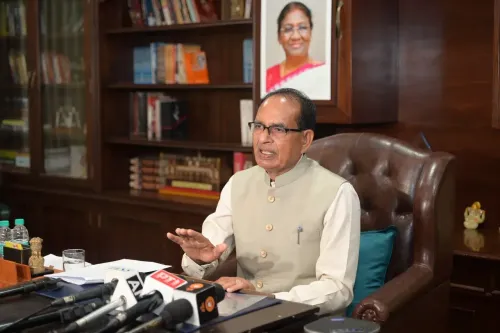
Union Agriculture Minister Shivraj Singh Chouhan on Sunday, 5 July 2026, announced that ₹25,863 crore is being released to states as the first 'Mother Sanction' under the Viksit Bharat G-RAM initiative, signalling the Centre's commitment to ensuring uninterrupted financial resources for effective scheme implementation at the ground level.
Context
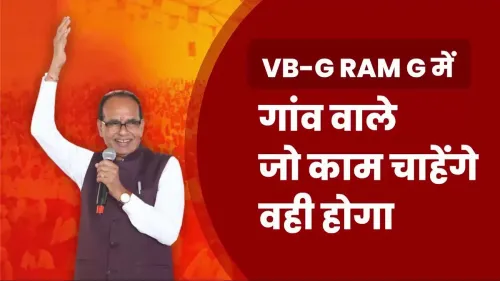
Posting on X, Minister Chouhan stated — 'आज विकसित भारत जी-राम जी के अंतर्गत प्रथम मदर सैंक्शन के रूप में ₹25,863 करोड़ की राशि राज्यों को जारी की जा रही है' — ('Today, an amount of ₹25,863 crore is being released to states as the first Mother Sanction under Viksit Bharat G-RAM'). He added that this release is proof of the Government of India's commitment that financial resources will not be allowed to fall short in the effective implementation of the scheme.
The term 'Mother Sanction' refers to a consolidated, umbrella-level approval that authorises the release of funds across multiple sub-components or states in a single administrative order, a mechanism used in large centrally sponsored schemes to streamline disbursement.
Policy Backdrop
The Viksit Bharat vision, articulated by Prime Minister Narendra Modi, aims to transform India into a fully developed nation by 2047, with inclusive rural growth as a central pillar. The G-RAM component of this framework is directed at strengthening gram-level rural infrastructure and farmer welfare delivery.
Union Budgets since 2021 have consistently increased allocations for agriculture and rural development, with explicit provisions for timely central releases to states. This fiscal architecture is designed to prevent implementation delays caused by resource gaps at the state level — a recurring challenge in large-scale centrally sponsored programmes.
Central transfers of this nature operate within India's federal fiscal framework, where the Union government provides substantial grants that states then deploy for on-ground execution. The scale of the current release — ₹25,863 crore in a single sanction — underscores the programme's ambition and the Centre's intent to front-load financing.
Stakeholders and Impact
State governments are the immediate recipients of these funds and will be responsible for channelling resources to district and block-level implementing agencies. The quality and speed of utilisation will vary across states depending on administrative capacity and existing infrastructure.
Farmers and rural communities are the intended end-beneficiaries. Timely fund release at this scale is expected to accelerate procurement of inputs, rural infrastructure works, and welfare disbursements under the broader Viksit Bharat umbrella. Delays in central releases have historically been cited by states as a primary bottleneck in scheme delivery, making this announcement operationally significant.
As a former four-term Chief Minister of Madhya Pradesh, Shivraj Singh Chouhan brings direct executive experience of managing central fund flows from the receiving end, lending credibility to his emphasis on eliminating financial bottlenecks.
What's Next
Attention will now turn to state-wise utilisation reports, which will determine the timing and quantum of subsequent tranches. The government is expected to track expenditure velocity closely, and poor absorption by any state could invite scrutiny in parliamentary proceedings, including supplementary demands for grants.
With the Viksit Bharat 2047 deadline giving the programme a long runway, the pace of early releases and their utilisation will set the template for future tranches. How effectively states translate this first Mother Sanction into measurable rural outcomes will be the real test of the initiative's architecture.
Point of View
863 crore as a single Mother Sanction is a deliberate signalling exercise as much as a fiscal one — the Centre is communicating to states, farmers, and political audiences that Viksit Bharat G-RAM is being resourced at scale from the outset. For Minister Chouhan, who governed Madhya Pradesh for four terms and understands the frustration of delayed central releases, the announcement carries personal and political weight. The move fits a broader BJP pattern of front-loading welfare scheme financing ahead of state election cycles, using administrative milestones to demonstrate governance momentum. Whether the funds translate into measurable rural outcomes will depend entirely on state-level execution capacity, which remains uneven across India's federal landscape.
NationPress
5 Oct 2026
Frequently Asked Questions
What is the Viksit Bharat G-RAM initiative?
Viksit Bharat G-RAM is a component of the Central government's Viksit Bharat framework, which aims to make India a developed nation by 2047, with a specific focus on strengthening gram-level rural infrastructure and farmer welfare delivery.
What is a Mother Sanction in government scheme funding?
A Mother Sanction is a consolidated, umbrella-level administrative approval that authorises the release of funds across multiple states or sub-components of a scheme in a single order, designed to streamline and accelerate disbursement.
How much money has been released to states under Viksit Bharat G-RAM?
₹25,863 crore has been released to states as the first Mother Sanction under the Viksit Bharat G-RAM initiative, as announced by Union Agriculture Minister Shivraj Singh Chouhan on 5 July 2026.
Who announced the ₹25,863 crore release for rural development?
Union Agriculture Minister and senior BJP leader Shivraj Singh Chouhan made the announcement on 5 July 2026 via a post on X, stating the release reflects the government's commitment to ensuring no financial shortfall in scheme implementation.
What happens after the first Mother Sanction is released?
Following the first Mother Sanction, state governments are expected to submit utilisation reports. The pace of fund absorption by states will determine the timing and quantum of subsequent tranches under the scheme.