CM Mohan Yadav Highlights India Defence Exports to 90+ Nations
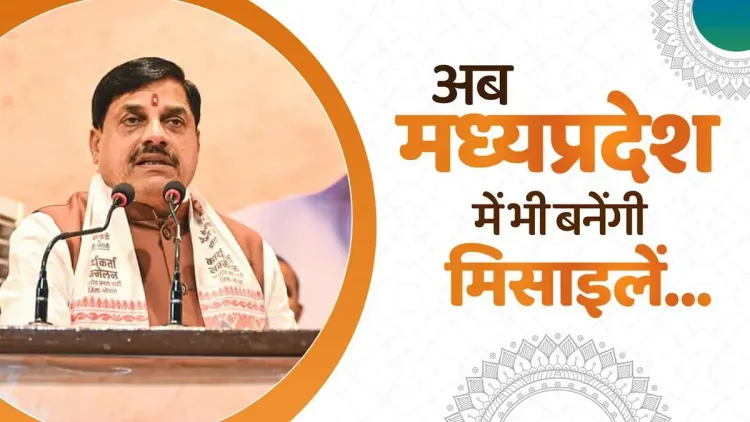
Synopsis
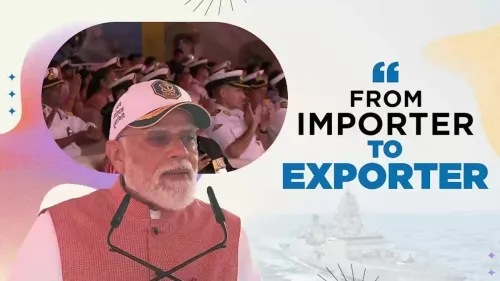
Madhya Pradesh Chief Minister Dr. Mohan Yadav on 5 July 2026 stated that defence products made in India are now exported to more than 90 countries, spotlighting the country's shift from a major arms importer to an emerging global defence supplier under Make in India and Atmanirbhar Bharat policies.
Key Takeaways
Mohan Yadav stated on 5 July 2026 that India exports defence products to more than 90 countries .
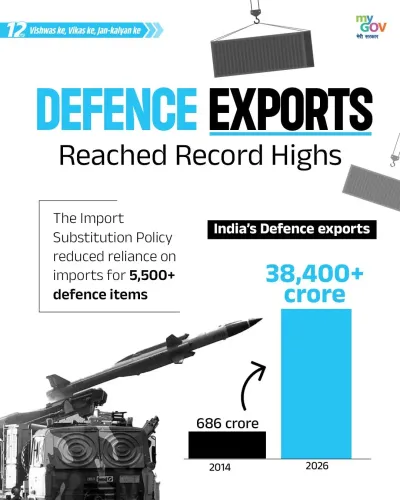
India's annual defence exports grew from under $300 million in the mid-2010s to over $1.5 billion by 2020 .
The Defence Production and Export Promotion Policy (2020) set a target of $5 billion in annual defence exports by 2025 .
Positive indigenisation lists under Atmanirbhar Bharat mandate domestic sourcing for specified defence equipment categories.
Both public-sector giants and MSMEs have expanded their roles in India's defence export supply chain.
Upcoming Aero India and DefExpo events are expected to see new bilateral defence cooperation agreements.
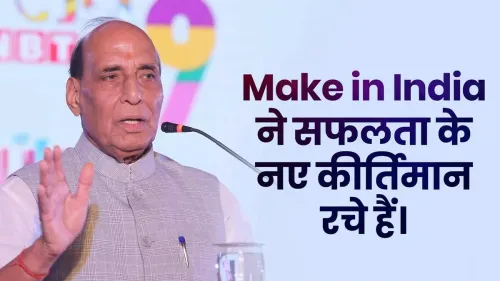
Madhya Pradesh Chief Minister Dr. Mohan Yadav on Sunday, 5 July 2026, highlighted India's growing defence export footprint, stating that defence products manufactured in India are now being exported to more than 90 countries. The remark underscores the broader national push toward indigenous defence production under the Make in India and Atmanirbhar Bharat frameworks.
Context
In his post on X, Dr. Yadav wrote: 'Aaj Bharat mein banne wale raksha utpad 90 se adhik deshon mein niryat ho rahe hain' — 'Today, defence products manufactured in India are being exported to more than 90 countries.' The statement reflects a narrative that senior BJP leaders have consistently amplified: India's transformation from a dominant defence importer to an emerging global defence supplier.
The post comes amid a sustained government effort to publicise milestones in the defence sector, with ministers and chief ministers across BJP-governed states regularly echoing national achievement messaging on social media platforms.
Policy Backdrop
India's defence export journey has been shaped by a series of structural policy shifts. The Defence Production and Export Promotion Policy (2020) set an explicit target of achieving $5 billion in annual defence exports by 2025. Successive revisions to the Defence Procurement Procedure — in 2016 and 2020 — introduced 'Make in India' and 'Buy Indian' procurement categories designed to channel orders toward domestic manufacturers.
Official data indicate that annual defence exports, which stood at under $300 million in the mid-2010s, had crossed $1.5 billion by 2020, with the number of destination countries rising steadily over the same period. The Ministry of Defence has been the nodal body driving both production targets and export-promotion diplomacy, supported by increased private-sector participation and higher allocations for research and development.
The Make in India initiative, launched in 2014, identified defence as a priority sector for indigenisation. The Atmanirbhar Bharat campaign, announced in 2020, deepened that commitment by introducing positive indigenisation lists — categories of equipment that must be sourced domestically rather than imported.
Stakeholders and Impact
The expansion of India's defence export base has benefited a wide range of stakeholders. Large public-sector undertakings such as Hindustan Aeronautics Limited and Bharat Electronics Limited have been primary exporters, but the growth of private-sector and MSME participation in the defence supply chain has broadened the industrial base considerably. State governments, including that of Madhya Pradesh, have sought to attract defence manufacturing investment through dedicated defence corridors and industrial parks.
For importing countries — spread across South Asia, Southeast Asia, Africa, Latin America and beyond — India's emergence as a supplier offers an alternative to traditional arms exporters, often at competitive price points and with favourable financing arrangements. Diplomatic efforts have increasingly paired defence supply agreements with broader bilateral cooperation frameworks.
What's Next
The Ministry of Defence is expected to release updated annual defence export statistics that will either confirm or contextualise the figure of exports to more than 90 countries cited in the post. Upcoming events such as Aero India and DefExpo are likely platforms where new bilateral defence cooperation agreements will be announced, potentially adding further destination countries to India's export map. The trajectory suggests India will continue to position itself as a reliable and cost-competitive defence supplier to the developing world, even as it works to close remaining technology gaps in high-end platforms.
Point of View
If confirmed by official data, would represent a meaningful step beyond the approximately 80-85 destinations cited in pre-2024 government records, suggesting the export diversification drive has continued at pace. More broadly, India's defence export story is one of genuine structural transformation — from a country that once sourced nearly 70 percent of its military hardware abroad to one actively competing for defence contracts in Africa, Southeast Asia and Latin America. The political salience of this shift ensures it will remain a centrepiece of government messaging well into the next electoral cycle.
NationPress
5 Jul 2026
Frequently Asked Questions
How many countries does India export defence products to?
According to a statement by Madhya Pradesh Chief Minister Dr. Mohan Yadav on 5 July 2026, India exports defence products to more than 90 countries. Official government data up to the early 2020s had cited approximately 80-85 destination countries.
What is India's target for annual defence exports?
The Defence Production and Export Promotion Policy, notified in 2020, set a target of $5 billion in annual defence exports by 2025, up from under $300 million in the mid-2010s.
What is the Make in India initiative in defence?
Make in India, launched in 2014, identified defence as a priority manufacturing sector. It introduced 'Buy Indian' and 'Make in India' procurement categories to channel orders toward domestic manufacturers and reduce import dependence.
What is Atmanirbhar Bharat's role in defence production?
Atmanirbhar Bharat, launched in 2020, deepened India's defence self-reliance push by introducing positive indigenisation lists — categories of equipment that must be sourced domestically rather than imported.
Which events will signal India's next defence export milestones?
Aero India and DefExpo are the key platforms where the Ministry of Defence is expected to announce new bilateral defence cooperation agreements and updated export statistics.