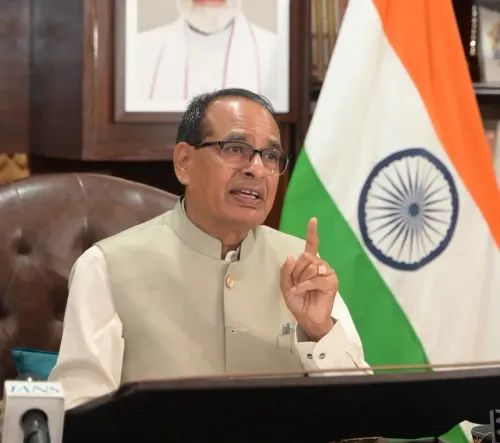
Shivraj releases ₹25,863 cr for Viksit Bharat-Ji Ram Ji scheme
Synopsis
Union Minister Shivraj Singh Chouhan released ₹25,863 crore to states as the first instalment under the new Viksit Bharat–Ji Ram Ji rural employment scheme, which replaced MGNREGA from 1 July 2026. The scheme guarantees a minimum daily wage of ₹300, a 10% average hike, and has provisioned ₹1,51,282 crore for the rest of FY 2026-27.
Key Takeaways
₹25,863 crore released to states on 5 July 2026 as the first instalment of the mother sanction under Viksit Bharat – Ji Ram Ji .
The new scheme went live on 1 July 2026 , replacing MGNREGA without any break in continuity.
No rural worker in any state will receive less than ₹300 per day under the new scheme — an average wage hike of 10 per cent .
The fund release covers both wages and material costs to prevent payment delays at the state level.
Approximately ₹1,51,282 crore has been provisioned for the remaining nine months of FY 2026-27 .
All states and union territories are participating, with state governments credited for enabling a seamless rollout.
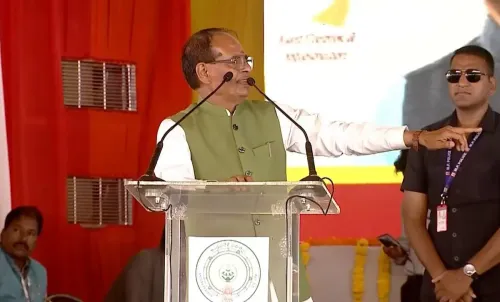
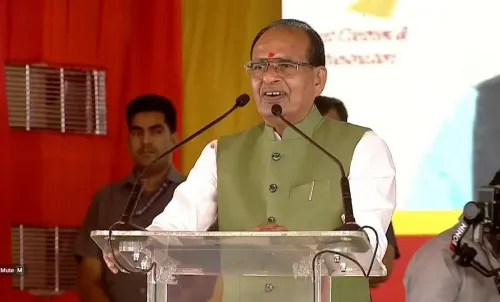
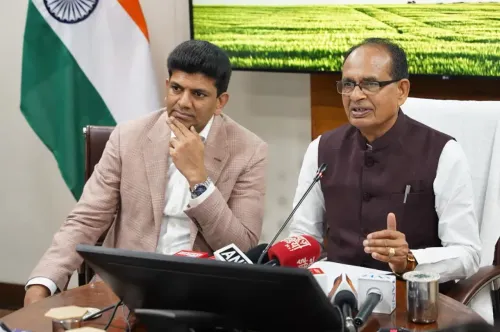
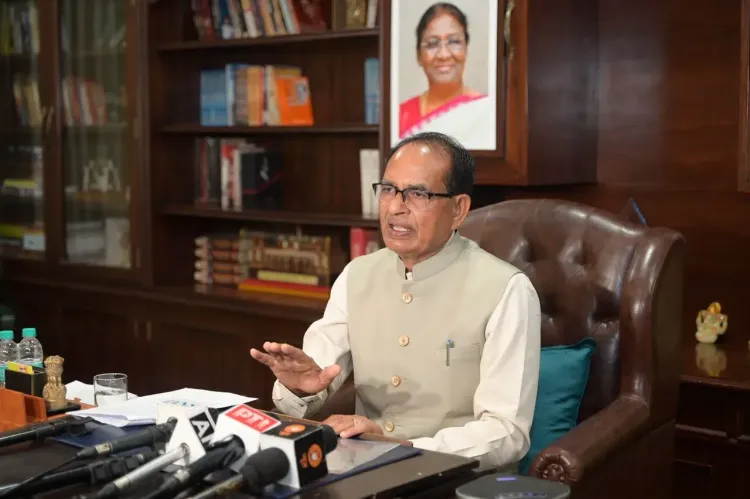
Union Agriculture and Rural Development Minister Shivraj Singh Chouhan on Sunday, 5 July 2026, announced the release of ₹25,863 crore to states as the first instalment of the mother sanction under the newly launched Viksit Bharat – Ji Ram Ji rural employment scheme, which came into force across the country on 1 July 2026, the day after MGNREGA concluded its run.
Context
Posting on X, Chouhan said the fund release covers both wages for labourers and the cost of materials required for rural works, ensuring that neither component faces delays at the state level. Translating his announcement, he stated: 'Aaj humne majdoor bhai-bahon ko rozgar uplabdh karane ke liye rajon ko Mother Sanction ki pratham kist ke roop mein ₹25,863 crore ki rashi jari ki hai' ('Today we have released ₹25,863 crore to states as the first instalment of the mother sanction to provide employment to our worker brothers and sisters').
He also confirmed a wage hike under the new scheme, stating that no worker in any state will now receive less than ₹300 per day, representing an average increase of 10 per cent over previous rates.
Policy Backdrop
The Mahatma Gandhi National Rural Employment Guarantee Act (MGNREGA), enacted in 2005, had for two decades guaranteed at least 100 days of wage employment annually to rural households. The scheme's wage rates were revised periodically through central notifications, with states required to meet or exceed the notified floor.
Viksit Bharat – Ji Ram Ji is positioned as the successor framework, aligned with Prime Minister Narendra Modi's Viksit Bharat 2047 vision, which treats prosperous and employment-generating villages as foundational to a developed India. Chouhan underlined the seamless transition, calling it 'a record' that MGNREGA ended on 30 June and the new scheme began nationwide on 1 July without interruption.
For the remaining approximately nine months of the current financial year, the government has provisioned roughly ₹1,51,282 crore under the scheme — a sum Chouhan described as adequate for both employment generation and the holistic development of villages.
Stakeholders and Impact
Rural labourers across all states and union territories are the primary beneficiaries. The guaranteed daily wage floor of ₹300 and the bundled material provision are designed to reduce the lag between work completion and payment — a persistent grievance under the previous scheme.
State governments are the implementing partners. Chouhan thanked them for large-scale preparatory work that enabled the scheme to go live without disruption, citing the rollout as evidence of the strength of India's federal cooperative structure. All 28 states and 8 union territories are covered under the launch.
What's Next
Attention will now turn to state-level utilisation of the released funds, the pace of job-card activation under the new scheme, and employment numbers generated during the monsoon season — traditionally the peak period for rural works. Parliamentary scrutiny of scheme performance is expected when the winter session convenes, with opposition likely to probe the transition's legal continuity and wage adequacy.
With ₹1,51,282 crore earmarked for the remainder of FY 2026-27, the government has signalled that rural employment spending will remain a centrepiece of its development agenda ahead of several state assembly elections on the horizon.
Point of View
And the Modi government has moved swiftly to frame it as a continuity story rather than a rupture. By releasing funds that bundle wages and materials simultaneously, the Centre is attempting to address one of the most chronic implementation failures of the previous scheme — delayed material payments that stalled worksites. The 10 per cent average wage hike and a hard floor of ₹300 per day serve a dual political purpose: they neutralise the opposition's longstanding critique that MGNREGA wages lagged inflation, while reinforcing the government's rural-welfare credentials ahead of a crowded election calendar. Whether the scheme delivers at scale will depend on state-level administrative capacity and the quality of utilisation data made public in the coming quarters.
NationPress
3 Oct 2026
Frequently Asked Questions
What is Viksit Bharat Ji Ram Ji scheme?
Viksit Bharat – Ji Ram Ji is a new nationwide rural employment and development scheme launched by the central government on 1 July 2026 to replace MGNREGA. It provides wage employment to rural labourers while also funding material costs for rural infrastructure works, with a minimum daily wage of ₹300.
Why was MGNREGA replaced by the new scheme?
The government positioned the transition as an upgrade aligned with Prime Minister Modi's Viksit Bharat 2047 vision, which emphasises prosperous, employment-generating villages as the foundation of a developed India. MGNREGA concluded on 30 June 2026 and the new scheme began the next day without interruption.
What is the minimum daily wage under Viksit Bharat Ji Ram Ji?
Under the new scheme, no rural worker in any state will receive less than ₹300 per day. This represents an average increase of 10 per cent over previous wage rates.
How much money has the government released for the new rural employment scheme?
Union Minister Shivraj Singh Chouhan announced the release of ₹25,863 crore to states on 5 July 2026 as the first instalment of the mother sanction. For the full remaining nine months of FY 2026-27, approximately ₹1,51,282 crore has been provisioned under the scheme.
What is the difference between MGNREGA and Viksit Bharat Ji Ram Ji?
While MGNREGA guaranteed 100 days of wage employment to rural households since 2005, Viksit Bharat – Ji Ram Ji bundles both wage and material cost provisions in a single release to states, raises the minimum daily wage to ₹300, and is framed within a broader village development mandate under the Viksit Bharat agenda.