CM Fadnavis chairs Drug-Free Maharashtra strategy meet
Synopsis
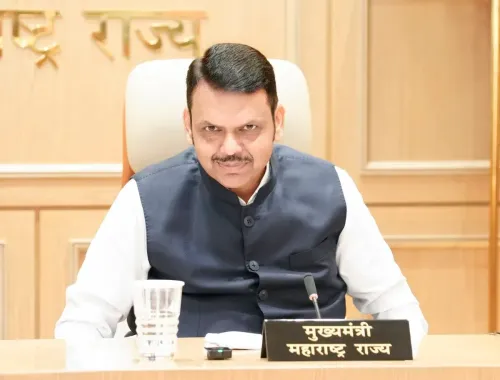
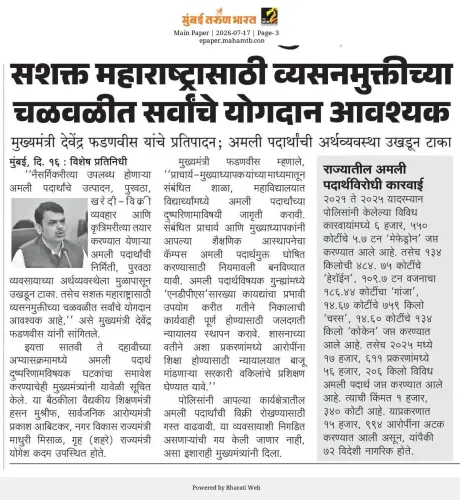
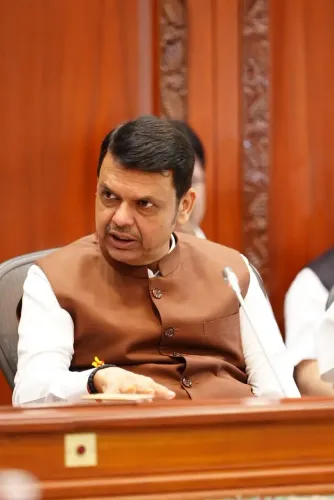
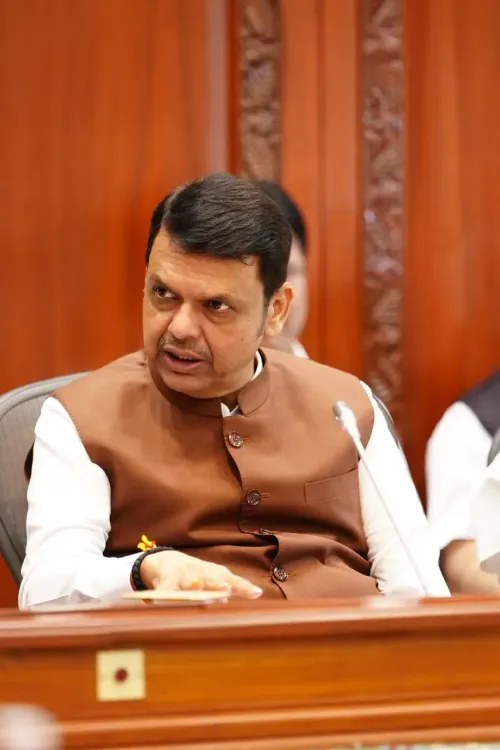
Chief Minister Devendra Fadnavis chaired a meeting on the 'Drug-Free Maharashtra: Strategy and Action Plan' at Sahyadri Guest House, Mumbai, on 16 July 2026. Minister Prakash Abitkar and Ministers of State Madhuri Misal and Yogesh Kadam attended alongside senior officials to shape the state's anti-narcotics strategy.
Key Takeaways
CM Devendra Fadnavis chaired the 'Drug-Free Maharashtra: Strategy and Action Plan' meeting on 16 July 2026 at Sahyadri Guest House, Mumbai .
Minister Prakash Abitkar , MoS Madhuri Misal , and MoS Yogesh Kadam attended alongside senior state officials.
The initiative targets substance abuse through an integrated strategy covering enforcement, awareness, and rehabilitation.
The action plan operates within the national NDPS Act, 1985 framework, which empowers states to design their own drug-control programmes.
Key stakeholders include youth and law enforcement agencies across Maharashtra.
Implementation details — including possible new de-addiction centres and enforcement drives — are expected to follow the strategy session.
Chief Minister Devendra Fadnavis chaired a high-level meeting on 16 July 2026 at Sahyadri Guest House, Mumbai, focused on the Amli Padarthamukta Maharashtra (Drug-Free Maharashtra) initiative, bringing together senior ministers and officials to deliberate on a comprehensive strategy and action plan to combat substance abuse across the state.
Context
The Chief Minister's Office of Maharashtra announced the meeting at 2:25 pm on 16 July 2026, confirming the presence of Minister Prakash Abitkar, Minister of State Madhuri Misal, Minister of State Yogesh Kadam, and senior government officials. The trilingual post — in English, Marathi, and Hindi — underscored the administration's intent to signal the initiative's statewide reach. The meeting was titled 'Nashamukta Maharashtra: Ranniti evam Karyayojana' ('Drug-Free Maharashtra: Strategy and Action Plan').
Policy Backdrop
Maharashtra's push for a drug-free state sits within the broader national legal framework established by the Narcotic Drugs and Psychotropic Substances (NDPS) Act, 1985, which empowers states to formulate their own enforcement and rehabilitation strategies. State-level action plans under this framework typically integrate three pillars: supply reduction through law enforcement, demand reduction through awareness campaigns, and rehabilitation of affected individuals. Devendra Fadnavis, who previously served as Chief Minister from 2014 to 2019, has maintained a focus on administrative coordination across departments, and this meeting reflects a multi-ministry approach involving the home, health, and social welfare departments.
Comparable anti-narcotics campaigns have been pursued in other high-burden Indian states, with efforts concentrating on both urban drug supply networks and rural addiction patterns. Maharashtra, as one of India's most populous and economically active states, faces particular pressure from narcotics trafficking along its coastline and through its metropolitan centres.
Stakeholders and Impact
The primary stakeholders in the Drug-Free Maharashtra initiative are youth and law enforcement agencies, with the action plan expected to shape how police, excise officials, and social welfare bodies coordinate on the ground. De-addiction infrastructure, awareness drives in schools and colleges, and inter-agency enforcement protocols are areas typically addressed in such strategy sessions. The involvement of two Ministers of State — Madhuri Misal and Yogesh Kadam — alongside Minister Prakash Abitkar signals that the action plan spans multiple departmental jurisdictions.
Communities in districts with documented high substance-abuse rates, as well as families of those in rehabilitation, stand to be directly affected by whatever enforcement and support measures emerge from this planning exercise.
What's Next
The immediate watch points are the specific outcomes of the 16 July 2026 meeting: whether the state announces new de-addiction centres, intensified enforcement drives, or inter-departmental task forces. Progress on the action plan is also expected to be reported in the Maharashtra state legislature in subsequent sessions. Civil society organisations working in addiction recovery will be closely monitoring whether the strategy balances punitive enforcement with humane rehabilitation pathways.
If the action plan is formalised and notified, it could set a template for other large Indian states seeking to operationalise their NDPS Act obligations through structured, multi-ministry coordination.
Point of View
Multi-minister strategy session — rather than a routine departmental review — signals that the Fadnavis administration is treating drug control as a political priority ahead of potential legislative scrutiny. The trilingual communication in English, Marathi, and Hindi is a deliberate outreach move, suggesting the government wants the initiative to resonate with diverse constituencies across Maharashtra. Anchoring the plan to a formal 'strategy and action plan' framing also creates an accountability benchmark: the administration will be expected to show measurable outcomes. Whether the emphasis falls on enforcement or rehabilitation will be the defining question as details emerge.
NationPress
15 Oct 2026
Frequently Asked Questions
What is the Drug-Free Maharashtra initiative?
Drug-Free Maharashtra is a state-level initiative aimed at eliminating substance abuse through a coordinated strategy combining law enforcement, public awareness, and rehabilitation, operating under the national NDPS Act, 1985 framework.
Who attended the Drug-Free Maharashtra meeting on 16 July 2026?
Chief Minister Devendra Fadnavis chaired the meeting. Minister Prakash Abitkar, Minister of State Madhuri Misal, Minister of State Yogesh Kadam, and senior government officials were present at Sahyadri Guest House, Mumbai.
What will the Drug-Free Maharashtra action plan include?
While specific details are yet to be announced, such action plans typically include enforcement drives against narcotics supply, de-addiction centre expansion, school and college awareness programmes, and inter-departmental coordination mechanisms.
What is the NDPS Act and how does it relate to Maharashtra's drug policy?
The Narcotic Drugs and Psychotropic Substances Act, 1985 is the national legal framework for drug control in India. It empowers state governments to formulate their own enforcement and rehabilitation strategies, which Maharashtra's action plan builds upon.
Where was the Drug-Free Maharashtra strategy meeting held?
The meeting was held at Sahyadri Guest House in Mumbai on 16 July 2026 at 2:25 pm.