Shivraj Singh Chouhan: 5 Lakh Jobs on Day 1 of Viksit Bharat-Jee Ram Jee Scheme
Synopsis
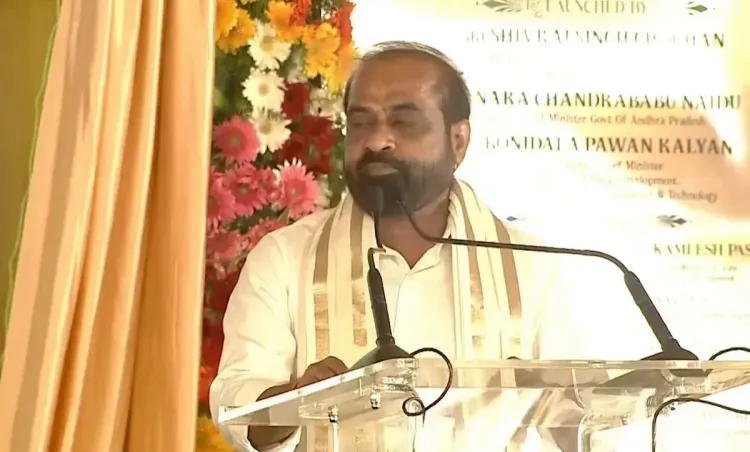
Union Agriculture Minister Shivraj Singh Chouhan announced that the 'Viksit Bharat-Jee Ram Jee' scheme provided employment to over 5 lakh people at more than 50,000 locations on its first day, 1 July 2026, marking a large-scale rollout of the latest rural jobs initiative under the Viksit Bharat umbrella.
Key Takeaways
The Viksit Bharat-Jee Ram Jee (VBGRAMG) scheme was officially launched on 1 July 2026 .
More than 5 lakh people received employment on the scheme's first day alone.
The rollout covered over 50,000 locations across India simultaneously.
The announcement was made by Union Agriculture Minister Shivraj Singh Chouhan on 2 July 2026 .
The scheme falls under the Viksit Bharat vision, which targets a developed India by 2047 .
Integration with existing frameworks like MGNREGA and NRLM is expected in the coming months.
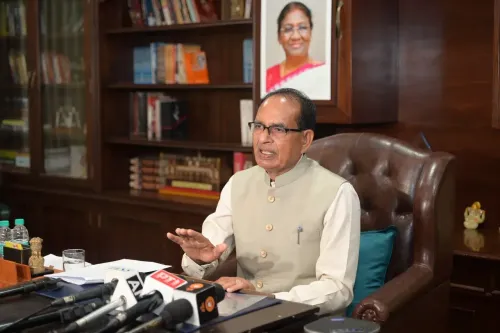
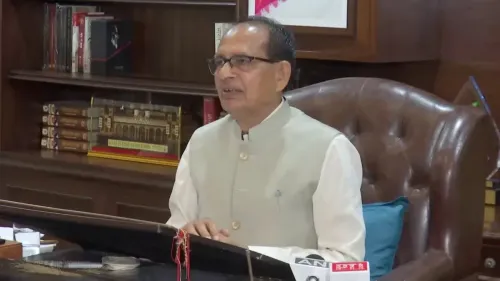
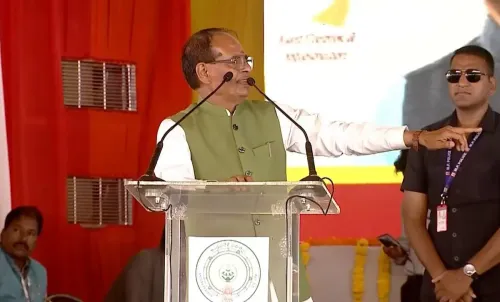
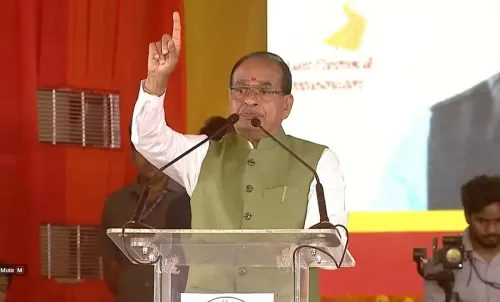
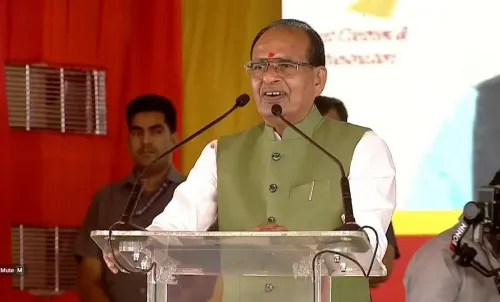
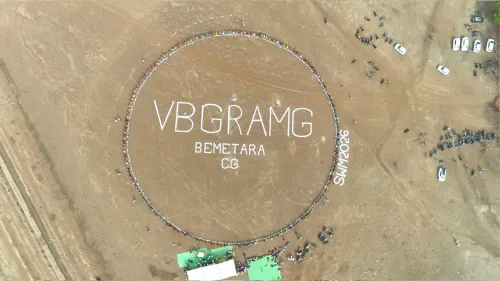
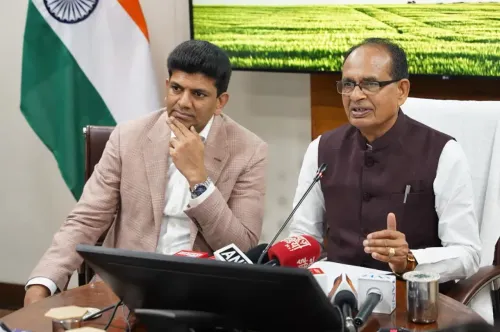
Union Agriculture Minister Shivraj Singh Chouhan announced on Thursday, 2 July 2026 that the newly launched 'Viksit Bharat-Jee Ram Jee' (VBGRAMG) scheme generated employment for more than 5 lakh people across over 50,000 locations on its very first day of operations, 1 July 2026.
Posting on X, Chouhan said — 'mere deshwasiyon, mujhe kehte hue khushi hai' ('My fellow countrymen, I am happy to say') — that the scheme's inaugural rollout exceeded expectations, with first-day figures pointing to a wide geographic reach across rural India.
Context
The Viksit Bharat-Jee Ram Jee scheme, launched under the broader Viksit Bharat vision of a developed India by 2047, is positioned as a rural employment initiative targeting seasonal under-employment in villages. The hashtag #LaunchofVBGRAMG accompanied the minister's post, signalling an official government communications push around the rollout.
The scheme's first-day deployment — spanning more than 50,000 sites simultaneously — suggests a pre-positioned, large-scale administrative mobilisation coordinated across states and districts before the formal launch date.
Policy Backdrop
Rural employment policy in India has long been anchored by the Mahatma Gandhi National Rural Employment Guarantee Act (MGNREGA), enacted in 2005, which guarantees up to 100 days of wage employment annually to rural households. Successive governments have layered additional schemes atop this framework to address gaps in skill-linked and year-round employment.
The Viksit Bharat umbrella, actively promoted since 2023, has served as a branding architecture for multiple central initiatives aimed at accelerating India's development goals before the centenary of independence. The VBGRAMG scheme appears to be the latest addition to this family of programmes, with a specific focus on rural job creation at scale.
The National Rural Livelihoods Mission (NRLM) framework has also been a key vehicle for similar outreach, and integration with existing infrastructure is expected to shape how this scheme is implemented at the ground level.
Stakeholders and Impact
Rural households and unemployed youth are the primary beneficiaries identified for the scheme. The first-day figure of 5 lakh-plus beneficiaries at 50,000-plus locations — averaging roughly 10 beneficiaries per site — indicates a distributed, village-level delivery model rather than concentration at block or district headquarters.
For Shivraj Singh Chouhan, a former four-term Chief Minister of Madhya Pradesh with deep roots in rural governance, the announcement carries both policy and political weight. His ministry oversees agriculture and rural development, making rural employment a central plank of his portfolio's mandate.
What's Next
Integration guidelines linking the Viksit Bharat-Jee Ram Jee scheme with existing rural programmes such as MGNREGA and NRLM are expected in the coming months, along with state-level implementation orders that will determine how employment is sustained beyond the launch phase.
The government is likely to track weekly and monthly beneficiary numbers as a performance metric, with the first-day figure of 5 lakh jobs setting a high benchmark for continued rollout. Wider scrutiny of the scheme's wage structure, nature of work, and geographic distribution across states will shape its long-term credibility as a rural welfare instrument.
Point of View
Framing rural job creation as a deliverable of its Viksit Bharat 2047 narrative ahead of a politically sensitive period. For Shivraj Singh Chouhan, whose political identity is built on rural welfare in Madhya Pradesh, the announcement reinforces his ministerial credibility on home turf. However, the durability of these numbers — whether the jobs are new, sustained, or reclassified from existing MGNREGA workdays — will determine whether the scheme generates lasting policy impact or remains a launch-day headline. The coming months' integration guidelines will be the real test of institutional depth.
NationPress
1 Oct 2026
Frequently Asked Questions
What is the Viksit Bharat-Jee Ram Jee scheme?
The Viksit Bharat-Jee Ram Jee scheme, also referred to as VBGRAMG, is a rural employment initiative launched on 1 July 2026 under the broader Viksit Bharat vision for a developed India by 2047. It aims to provide jobs to rural households and unemployed youth across India.
How many people got jobs under VBGRAMG on the first day?
According to Union Agriculture Minister Shivraj Singh Chouhan, more than 5 lakh people received employment under the Viksit Bharat-Jee Ram Jee scheme on its first day, 1 July 2026, across over 50,000 locations.
Who launched the Viksit Bharat-Jee Ram Jee scheme?
The scheme was launched under the central government's Viksit Bharat umbrella. Union Agriculture Minister Shivraj Singh Chouhan announced its first-day results on 2 July 2026.
How is VBGRAMG different from MGNREGA?
MGNREGA, enacted in 2005, guarantees up to 100 days of wage employment per year to rural households. VBGRAMG is a newer scheme under the Viksit Bharat umbrella, though its integration with MGNREGA and NRLM frameworks is expected to be clarified through guidelines in the coming months.
What is the Viksit Bharat vision?
Viksit Bharat is the central government's vision for transforming India into a fully developed nation by 2047, the centenary of independence. It serves as an umbrella for multiple policy and welfare schemes launched since 2023.