CM Saini Pays Tribute to Birsa Munda on Janjatiya Gaurav Diwas
Synopsis
Haryana CM Nayab Singh Saini marked Janjatiya Gaurav Diwas on 15 November 2026 by honouring Birsa Munda — the 19th-century tribal revolutionary who led the Ulgulan rebellion — as a symbol of India's rich heritage and Adivasi contribution to the freedom struggle.
Key Takeaways
Haryana CM Nayab Singh Saini paid tribute to Birsa Munda on 15 November 2026 , Janjatiya Gaurav Diwas.
Birsa Munda (1875–1900) led the Ulgulan rebellion against British land policies on the Chota Nagpur plateau .
The Government of India declared 15 November as Janjatiya Gaurav Diwas in 2021 to honour tribal freedom fighters.
The day is marked annually with tributes and tribal welfare announcements by BJP-led governments at the Centre and in the states.
Saini's tribute from Haryana — not a major tribal-population state — reflects a broader BJP strategy to integrate Adivasi icons into the national heritage narrative.
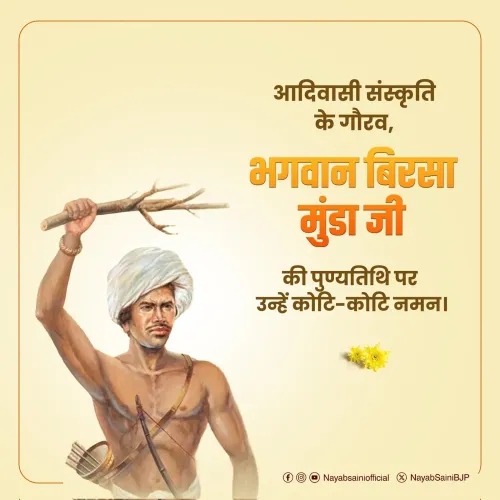
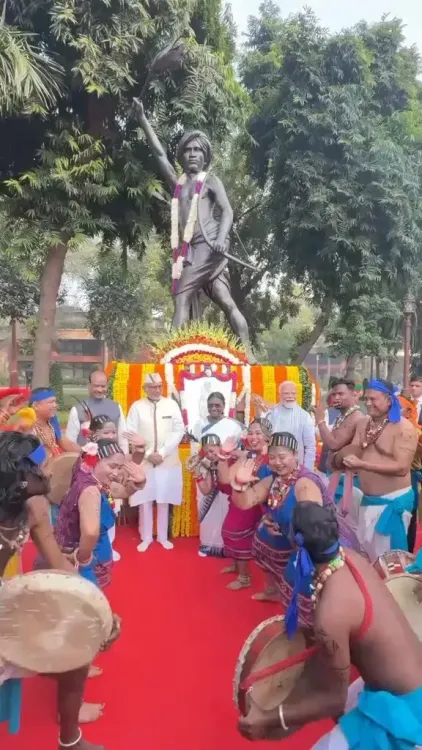
On Janjatiya Gaurav Diwas, Haryana Chief Minister Nayab Singh Saini paid his respects to tribal icon Birsa Munda on Sunday, 15 November 2026, saluting a figure whose rebellion against colonial rule helped reshape India's freedom narrative.
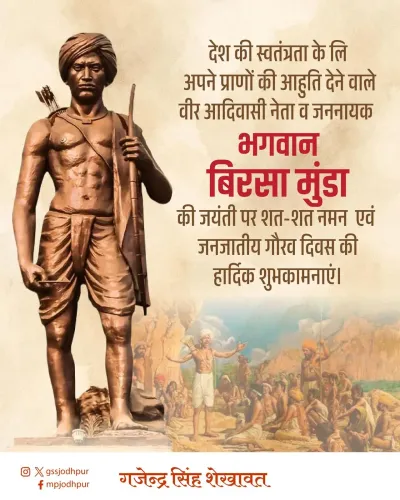
Posting in Hindi, CM Saini wrote: 'जनजातीय गौरव की गाथा, भारत की समृद्ध विरासत!' — 'The saga of tribal pride, India's rich heritage!' — before offering a 'hundred-fold salute' to Bhagwan Birsa Munda.
Who Was Birsa Munda — and Why He Still Matters
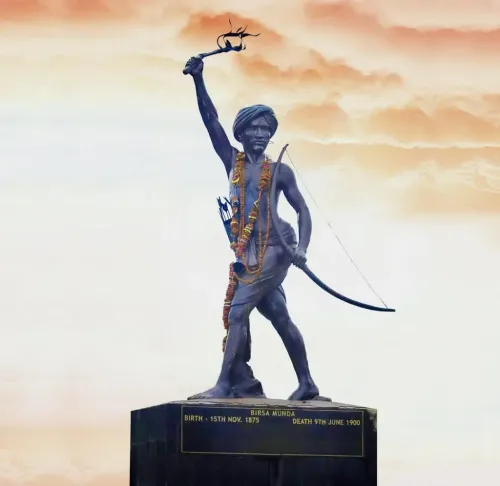
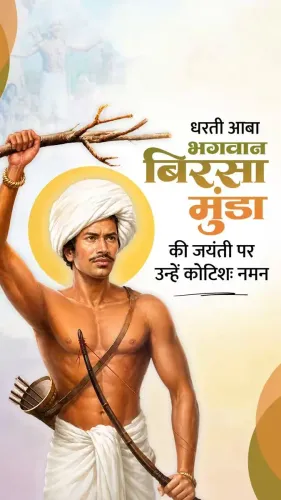
Birsa Munda was born on 15 November 1875 in the Chota Nagpur plateau and lived only 25 years — yet those years cracked open the colonial establishment. He led the Ulgulan ('the Great Tumult'), a mass uprising of Munda tribal communities against British land dispossession and forced conversion policies in the late 1890s. Arrested by British forces, he died in Ranchi jail in 1900. The colonial state feared him enough to imprison him; independent India eventually elevated him to the status of a folk deity — Bhagwan, or God — a title his own followers bestowed and successive governments have since embraced.The Day the Government Made Official: Janjatiya Gaurav Diwas
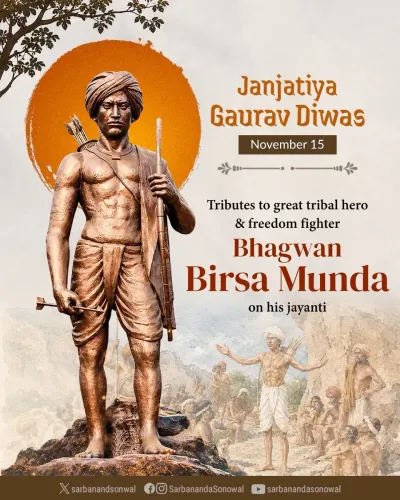
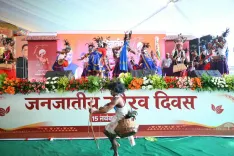
In November 2021, the Government of India declared 15 November — Birsa Munda's birth anniversary — as Janjatiya Gaurav Diwas (Tribal Pride Day), institutionalising recognition of Adivasi contributions to the freedom movement. The move was significant: it placed tribal resistance at the centre of the independence story, not at its margins. Every year since, BJP-led governments at the Centre and in the states have marked the day with tributes, events, and welfare announcements aimed at India's vast tribal communities.A Non-Tribal State Joining the Chorus
What makes CM Saini's post notable is its geography. Haryana does not have a large Scheduled Tribe population — it is not the Jharkhand heartland or the Chhattisgarh belt where Birsa Munda's legacy burns brightest. Yet the tribute arrives on cue, part of a deliberate, nationally coordinated effort by the BJP to weave Adivasi icons into a broad, inclusive cultural heritage message that resonates beyond tribal constituencies. It is politics as historiography — reclaiming a revolutionary figure for a national audience. The challenge for any such tribute is conversion: from symbolic gesture to tangible policy. State-level events and central scheme announcements tied to tribal welfare on or around 15 November each year are worth watching — that is where the salute either finds its feet or fades into the calendar.Point of View
Caste-specific memory into the mainstream freedom narrative. The institutionalisation of Janjatiya Gaurav Diwas in 2021 gave this signalling an official calendar peg, making such tributes annual and expected. For a Chief Minister governing a state with a small tribal population, the gesture is as much about ideological positioning as local welfare. The real test, analysts argue, is whether ceremonial salutes translate into on-ground policy shifts for Scheduled Tribe communities across India.
NationPress
15 Nov 2026
Frequently Asked Questions
What is Janjatiya Gaurav Diwas and when is it celebrated?
Janjatiya Gaurav Diwas (Tribal Pride Day) is observed every year on 15 November — the birth anniversary of tribal leader Birsa Munda . The Government of India officially declared the day in November 2021 to recognise the contribution of Adivasi communities to India's freedom struggle.
Who was Birsa Munda?
Birsa Munda (1875–1900) was a tribal leader from the Chota Nagpur plateau who led the Ulgulan uprising against British land dispossession and missionary influence. Revered as Bhagwan (God) by his followers, he died in British custody at the age of 25.
Why did Nayab Singh Saini post a tribute to Birsa Munda?
Haryana CM Nayab Singh Saini paid tribute on Janjatiya Gaurav Diwas , 15 November 2026, as part of a nationally coordinated effort by BJP-led governments to honour tribal freedom fighters and highlight Adivasi contributions to India's heritage.
What was the Ulgulan rebellion?
The Ulgulan ('the Great Tumult') was a mass uprising led by Birsa Munda in the late 1890s, in which Munda tribal communities resisted British policies of land alienation and forced religious conversion in the Chota Nagpur region.
Does Haryana have a significant tribal population?
No. Haryana does not have a large Scheduled Tribe population compared to states like Jharkhand or Chhattisgarh, where Birsa Munda's legacy is most deeply rooted. CM Saini's tribute is part of a broader, pan-India BJP messaging strategy on Adivasi heritage.