Shivraj Singh Chouhan releases Rs 10,021 cr for rural housing
Synopsis
Union Minister Shivraj Singh Chouhan released a Mother Sanction of Rs 10,021 crore to 12 states under PMAY-G for FY 2026-27 via video conferencing from New Delhi on 28 May 2026, as cumulative rural housing sanctions crossed 3.91 crore units.
Key Takeaways
Rs 10,021 crore released as 'Mother Sanction' under PMAY-G for financial year 2026-27 .
Funds disbursed to 12 states via video conferencing from New Delhi on 28 May 2026 .
Cumulative rural housing sanctions under PMAY-G have crossed 3 crore 91 lakh units nationwide.
Minister of State Chandra Sekhar Pemmasani and rural development ministers of multiple states attended the event.
The ministry committed to working 'as one team' with all states to ensure universal pucca housing coverage.
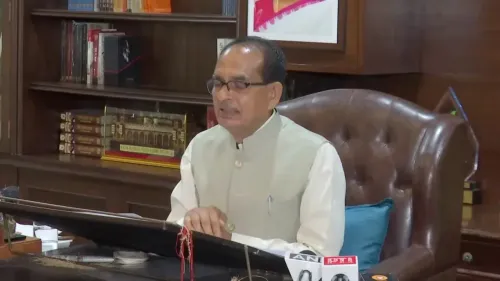
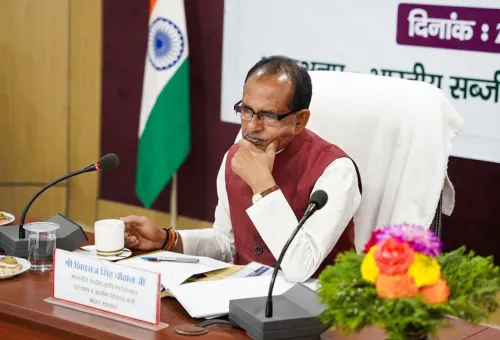
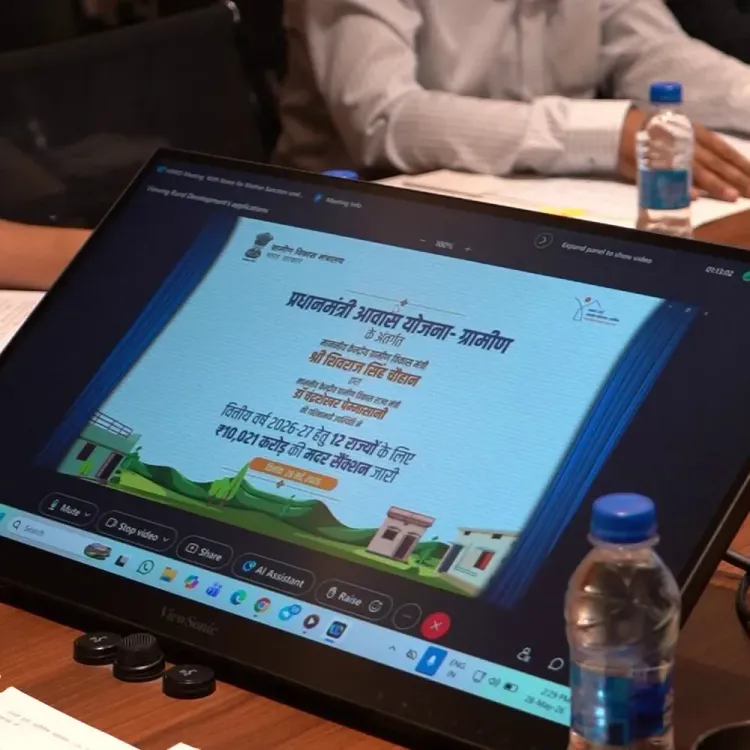
Union Agriculture and Rural Development Minister Shivraj Singh Chouhan on Thursday, 28 May 2026, issued a 'Mother Sanction' of Rs 10,021 crore to 12 states under the Pradhan Mantri Awaas Yojana-Gramin (PMAY-G) for financial year 2026-27, via video conferencing from New Delhi.
Context
Chouhan announced the fund release on X, stating: 'Aaj Nai Dilli se video conferencing ke madhyam se Pradhan Mantri Awaas Yojana-Gramin ke antargat vittiya varsh 2026-27 hetu 12 rajyon ko Rs 10,021 crore ki Mother Sanction jaari ki' — ('Today, via video conferencing from New Delhi, a Mother Sanction of Rs 10,021 crore was issued to 12 states under PMAY-G for financial year 2026-27.'). The 'Mother Sanction' is a consolidated administrative approval that unlocks housing construction funds for states, enabling them to begin disbursing individual beneficiary allocations at the ground level.
The minister noted that under the leadership of Prime Minister Narendra Modi, the mission to provide a permanent roof to every poor household continues without interruption. He added that approximately 3 crore 91 lakh houses have been sanctioned in rural areas so far under the scheme.
Policy Backdrop
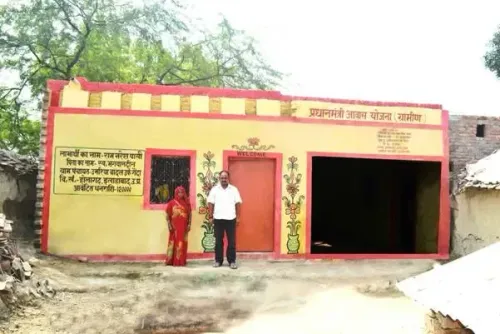
PMAY-G was launched in 2016 as a restructured successor to the Indira Awaas Yojana, with the stated goal of providing pucca (permanent, all-weather) housing to all rural homeless and those living in kutcha (temporary) dwellings. The scheme provides financial assistance — typically Rs 1.20 lakh per unit in plain areas and Rs 1.30 lakh per unit in hilly, difficult, and Integrated Action Plan districts — directly to beneficiaries through Direct Benefit Transfer. The central and state governments share costs in a 60:40 ratio for most states, and 90:10 for special category and north-eastern states.
The scheme targets households identified through the Socio-Economic and Caste Census (SECC) data and is monitored through an end-to-end digital platform called AwaasSoft, with geo-tagged photographs required at each construction stage. The government has periodically revised upward both the unit cost and the overall target as demand assessments are updated.
Stakeholders and Impact
The fund release directly benefits rural households in the 12 states receiving the Mother Sanction, enabling state rural development departments to push construction activity in the new financial year. Minister of State Chandra Sekhar Pemmasani — tagged by Chouhan as @PemmasaniOnX — was present at the video conference along with rural development ministers of the participating states and senior officials from the Ministry of Rural Development.
For beneficiaries, the sanction translates to the beginning of fund-flow for house construction. At the macro level, rural housing expenditure of this scale also stimulates local economies through demand for construction materials, labour, and ancillary services in villages.
What's Next
Chouhan emphasised that the ministry will work 'as one team' with all states to ensure every eligible person receives a pucca house. With Rs 10,021 crore now unlocked for 2026-27 and cumulative sanctions crossing the 3.91 crore mark, the pace of ground-level completions will be the key metric watched by both the ministry and state governments in the months ahead. Further tranches of central assistance are expected as states demonstrate utilisation of the current release and submit progress reports through the AwaasSoft portal.
Point of View
000 crore at the very start of FY 2026-27 signals an intent to front-load rural housing expenditure — a pattern consistent with the government's broader push to show visible welfare delivery ahead of state election cycles. With cumulative sanctions now at 3.91 crore, the political messaging around 'har gareeb ko pukka ghar' (a pucca home for every poor person) is being reinforced at scale. The multi-state video conference format, with MoS Pemmasani and state ministers in attendance, also underscores a centralised coordination model that keeps the Union Ministry visibly in charge of scheme momentum. The critical question going forward is the gap between sanctions and completions — a metric the government has faced scrutiny on in previous fiscal years.
NationPress
19 Sept 2026
Frequently Asked Questions
What is the PMAY-G Mother Sanction of Rs 10,021 crore announced by Shivraj Singh Chouhan?
The 'Mother Sanction' is a consolidated central government approval releasing Rs 10,021 crore to 12 states under Pradhan Mantri Awaas Yojana-Gramin for FY 2026-27, enabling states to disburse funds to individual rural housing beneficiaries.
How many houses have been sanctioned under PMAY-G so far?
As of 28 May 2026, approximately 3 crore 91 lakh houses have been sanctioned in rural areas under PMAY-G since the scheme's launch in 2016.
Which 12 states received the PMAY-G sanction on 28 May 2026?
Union Minister Shivraj Singh Chouhan announced the release to 12 states but did not name them individually in the post. The ministry is expected to publish a full state-wise breakdown through official channels.
What is Pradhan Mantri Awaas Yojana-Gramin and who is eligible?
PMAY-G is a central government scheme launched in 2016 to provide financial assistance for constructing pucca houses to rural households identified as homeless or living in kutcha dwellings, based on Socio-Economic and Caste Census data.
What is the financial assistance given per house under PMAY-G?
Under PMAY-G, beneficiaries receive Rs 1.20 lakh per unit in plain areas and Rs 1.30 lakh in hilly or difficult terrain districts, transferred directly to their bank accounts through Direct Benefit Transfer.