CM Bhajan Lal Welcomes Rs 10,021 Cr PMAY-G Sanction
Synopsis
Rajasthan CM Bhajan Lal Sharma on 28 May 2026 welcomed a central sanction of over Rs 10,021 crore under PMAY-G for Rajasthan and 11 other states, praising PM Modi's vision and Union Minister Shivraj Singh Chouhan's decision as a step toward making pucca housing a reality for thousands of rural families.
Key Takeaways
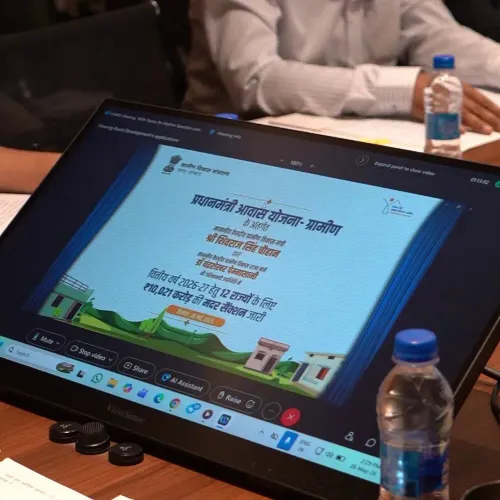
The Union government sanctioned more than Rs 10,021 crore under PMAY-G for Rajasthan and 11 other states .
CM Bhajan Lal Sharma credited PM Narendra Modi 's leadership and Union Minister Shivraj Singh Chouhan 's decision for the sanction.
PMAY-G was launched in 2016 and was expanded in 2022 with an additional target of 2 crore houses .
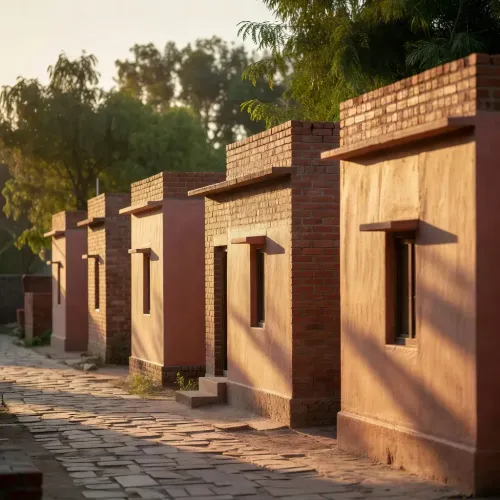
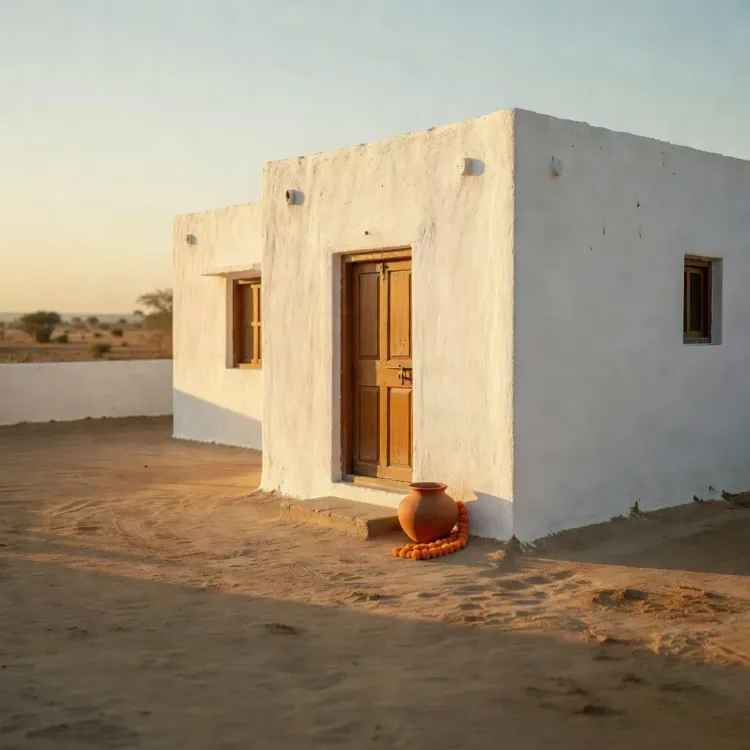
The funds are intended to convert rural households from mud-roofed kutcha dwellings to permanent pucca homes.
Sharma framed the sanction as proof of the 'double-engine government' model accelerating welfare delivery in BJP-ruled states .
State rural development departments will manage disbursement, construction monitoring, and beneficiary verification.
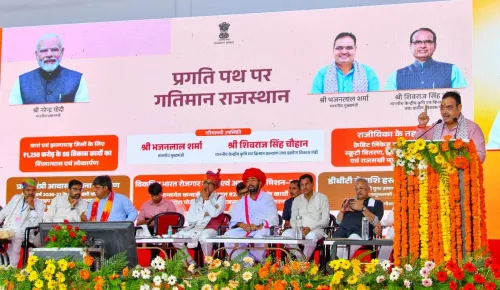
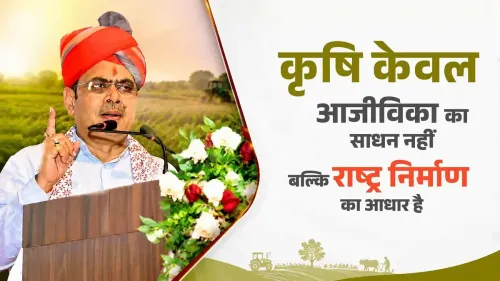
Rajasthan Chief Minister Bhajan Lal Sharma on Thursday, 28 May 2026, welcomed the Union government's decision to sanction more than Rs 10,021 crore under the Pradhan Mantri Awas Yojana-Gramin (PMAY-G) for Rajasthan and 11 other states, crediting the move to Prime Minister Narendra Modi's vision and Union Rural Development Minister Shivraj Singh Chouhan's initiative. Sharma said the funds would translate thousands of rural families' aspirations into concrete homes and give fresh momentum to rural development across the state.
Context
Posting in Hindi on X, CM Sharma described the sanction as a milestone in fulfilling the pledge of 'sabke liye aawas' (housing for all), saying a pucca house now represents 'not just shelter, but security, dignity, and confidence in a better future' for families moving out of mud-roofed dwellings. He extended gratitude to Shivraj Singh Chouhan, tagging him directly, for approving the release. The post underscores the BJP's 'double-engine government' narrative — the idea that a state and Centre governed by the same party can accelerate welfare delivery.
Policy Backdrop
PMAY-G was launched in 2016 as a restructured successor to the Indira Awas Yojana, originally targeting the construction of 2.95 crore pucca houses for rural households below the poverty line by 2024. In 2022, the Union Cabinet approved an additional 2 crore houses under the scheme with an extended timeline and higher unit assistance, reinforcing it as the Centre's flagship rural welfare instrument. Periodic large-scale fund releases to clusters of states have been a recurring feature of the scheme's implementation cycle, aimed at preventing ground-level bottlenecks and keeping construction timelines on track.
Rajasthan, which returned to BJP governance in December 2023 under Sharma, has been aligning its state rural development machinery with central schemes as part of the double-engine coordination model. The state's inclusion in the current tranche alongside 11 other states signals active compliance with scheme benchmarks required to unlock central funds.
Stakeholders and Impact
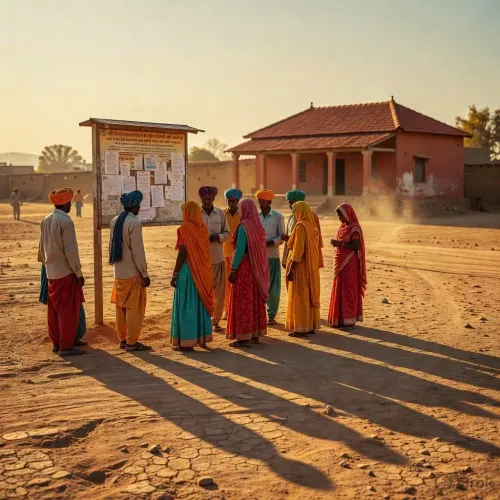
The primary beneficiaries are rural poor households in the 12 states who are on the PMAY-G waiting list, including landless and marginalised communities in Rajasthan's desert and semi-arid districts where kutcha housing is prevalent. State rural development departments will now be responsible for disbursing funds to beneficiaries, verifying construction progress through geo-tagged photographs, and meeting completion milestones set by the Union Ministry. For CM Sharma, the sanction provides political capital ahead of local body elections and reinforces his government's claim of effective Centre-state coordination on welfare delivery.
What's Next
The immediate task for the Rajasthan government will be identifying eligible beneficiaries from the state's PMAY-G waiting list, ensuring timely first-instalment transfers, and mobilising district-level machinery to begin construction. Nationally, the pace of progress on the additional 2 crore houses target remains a key indicator to watch, with any fresh budgetary allocations in the next Union Budget or supplementary demands likely to determine whether the extended timeline can be met. Sharma's post signals that Rajasthan intends to position itself among the front-running states in scheme implementation.
Point of View
Using a central fund release as evidence that ideological alignment between state and Centre yields faster welfare outcomes. By publicly thanking Shivraj Singh Chouhan by name, CM Sharma reinforces inter-party solidarity and signals to rural constituencies that Rajasthan's BJP government is actively channelling central resources. The PMAY-G sanction, coming amid the extended 2-crore-houses phase, fits a broader pattern of the Centre releasing funds in multi-state tranches to maintain political visibility for the scheme. For Sharma, whose government is still relatively new, associating with a flagship welfare milestone helps consolidate his image as an effective administrator rather than a caretaker figure.
NationPress
23 Sept 2026
Frequently Asked Questions
What is the PMAY-G sanction announced for Rajasthan in May 2026?
The Union government sanctioned more than Rs 10,021 crore under Pradhan Mantri Awas Yojana-Gramin for Rajasthan and 11 other states, aimed at funding the construction of pucca houses for rural poor households.
What is Pradhan Mantri Awas Yojana-Gramin?
PMAY-G is a central government scheme launched in 2016 to provide permanent pucca houses to rural households below the poverty line. It replaced the earlier Indira Awas Yojana and was expanded in 2022 with an additional target of 2 crore houses.
Who approved the Rs 10,021 crore PMAY-G funds for the 12 states?
Union Minister of Rural Development Shivraj Singh Chouhan approved the sanction. Rajasthan CM Bhajan Lal Sharma publicly thanked him on X for the decision.
What is the 'double-engine government' model mentioned by CM Bhajan Lal Sharma?
The double-engine government concept refers to states ruled by the BJP being governed in tandem with the BJP-led Union government, which the party argues leads to faster and more coordinated implementation of central welfare schemes.
How will the PMAY-G funds benefit Rajasthan's rural families?
The funds will be disbursed to eligible rural households on Rajasthan's PMAY-G waiting list, enabling them to construct permanent pucca homes in place of mud-roofed kutcha dwellings, with construction monitored through geo-tagged photographs by state rural development departments.