Venugopal dismisses Kerala Congress rift talk, says UDF matters stay within party
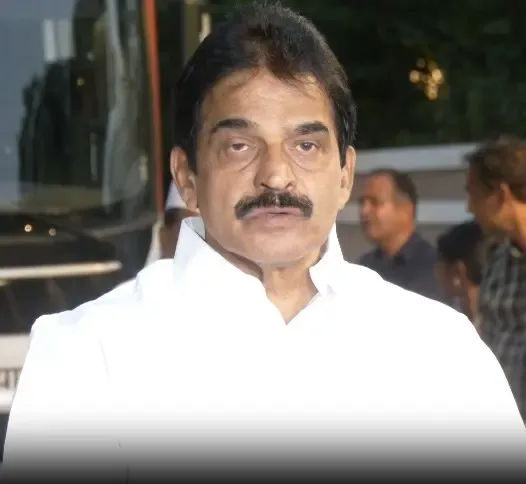
Synopsis
AICC General Secretary K.C. Venugopal flew a classic party-discipline line in Thiruvananthapuram — 'discuss it inside, not outside' — but the very fact that he had to say it underlines how publicly visible the Satheesan-Adoor Prakash friction has become. With no new KPCC president in sight, the Congress high command's silence is itself part of Kerala's political story.
Key Takeaways
AICC General Secretary K.C.
Venugopal on 11 November dismissed reports of a rift within Kerala's UDF , saying internal matters would be discussed only within the party.
UDF convenor Adoor Prakash had alleged that coordination meetings were not being held regularly and that he was not being consulted on key decisions.
Satheesan declined to directly address Prakash's criticism but said the next UDF meeting date would be communicated once finalised.
The Congress high command has yet to announce a new KPCC president , a vacancy seen as a contributing factor to the leadership friction.
Venugopal's intervention signals New Delhi 's awareness of the situation, even as a public resolution remains elusive.
Senior Congress leader and All India Congress Committee (AICC) General Secretary K.C. Venugopal on Wednesday, 11 November, moved to quell reports of a widening rift within Kerala's opposition United Democratic Front (UDF), asserting that any grievances would be aired inside the party organisation — not in public. His remarks came amid fresh scrutiny over the working relationship between UDF chairman and Leader of Opposition V.D. Satheesan and UDF convenor Adoor Prakash.
What Venugopal Said
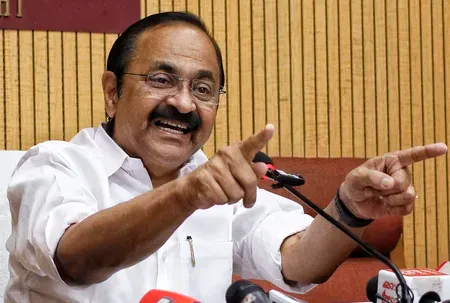
Responding to reporters' questions in Thiruvananthapuram, Venugopal was categorical: 'I am a disciplined worker of the party. If I have anything to say, I will say it within the party and not outside. If there are any issues, they will be discussed within the party.' He pushed back against suggestions that the Congress high command should publicly address the mounting speculation, telling journalists, 'You are interested only in making speculations. You can continue doing that.'
On questions about the appointment of a new Kerala Pradesh Congress Committee (KPCC) president — a post that remains vacant — Venugopal said the announcement would follow once the party high command arrived at an appropriate decision, dismissing media timelines as irrelevant to internal party processes.
The Rift That Sparked the Questions
The backdrop to Venugopal's visit is a simmering dispute within the UDF's top leadership. Convenor Adoor Prakash had reportedly complained that UDF coordination meetings were not being convened with adequate regularity and that significant policy decisions were being taken without keeping him informed. He had also questioned Chief Minister-designate-in-opposition Satheesan's style of functioning, alleging that the party leadership was being bypassed on key matters.
Satheesan had, until Wednesday, declined to publicly engage with Prakash's criticism. However, he indicated on the same day that the date of the next UDF meeting would be communicated to the convenor once it was finalised — a response that stops well short of addressing the substance of the complaints.
Why Venugopal's Intervention Matters
The AICC general secretary's visit assumes added significance given that the Congress high command has yet to name a successor to the KPCC president's post, leaving a leadership vacuum that has arguably allowed intra-party friction to spill into public view. His intervention signals that New Delhi is watching the situation, even as it declines to adjudicate openly.
This comes amid a broader pattern in the Congress of handling state-level disputes through centralised back-channel management rather than public arbitration — a strategy that critics argue can delay rather than resolve underlying tensions. Notably, the UDF is the principal opposition alliance in Kerala, and its internal cohesion is considered critical ahead of the next state assembly election cycle.
What Happens Next
All eyes are now on when the Congress high command will announce a new KPCC president, a decision widely seen as the structural fix that could restore clearer lines of authority within both the state unit and the UDF. Until that announcement is made, the coordination friction between Satheesan and Adoor Prakash is likely to remain a recurring talking point. Political observers in Kerala note that the high command's silence on the presidential appointment is itself becoming a story.
Point of View
Deflect, and keep the dispute off camera. But the optics are revealing: a senior AICC general secretary travelling to Thiruvananthapuram to tell the press there is nothing to see is itself evidence that there is something to see. The absence of a KPCC president is not incidental; it is the structural vacuum that allows disputes between Satheesan and Adoor Prakash to lack a clear referee. The high command's pattern of deferring state-level appointments while simultaneously containing the fallout has a poor track record — in Kerala and elsewhere.
NationPress
11 Nov 2026
Frequently Asked Questions
What did K.C. Venugopal say about the Kerala Congress rift?
AICC General Secretary K.C. Venugopal said on 11 November that any concerns he had would be raised within the party forum and not in public, calling himself a 'disciplined worker of the party.' He dismissed speculation about UDF infighting and said party decisions could not be taken according to media timelines.
What is the dispute between V.D. Satheesan and Adoor Prakash?
UDF convenor Adoor Prakash has reportedly complained that UDF coordination meetings are not being held regularly and that key policy decisions are being taken without informing him. He also questioned the leadership style of UDF chairman V.D. Satheesan, alleging the party leadership was being bypassed on important matters.
Why is the KPCC president post significant in this context?
The Kerala Pradesh Congress Committee (KPCC) presidential post is currently vacant, and the Congress high command has yet to announce a successor. The vacancy is seen as a contributing factor to the current leadership friction, as it leaves unclear lines of authority within the state unit and the UDF.
How did V.D. Satheesan respond to the convenor's complaints?
Satheesan had largely declined to publicly engage with Adoor Prakash's criticism until Wednesday, when he said the date of the next UDF meeting would be communicated to the convenor once it was finalised — stopping short of addressing the substance of the allegations.
What is the UDF and why does its internal unity matter?
The United Democratic Front (UDF) is Kerala's principal opposition alliance, led by the Indian National Congress. Its internal cohesion is considered politically critical ahead of the next state assembly election cycle, making any public display of leadership friction a significant vulnerability for the bloc.