VP Radhakrishnan launches high seas fishing LoA programme in Bhubaneswar
Synopsis
India has formally opened its high seas to regulated fishing under a new LoA framework launched by Vice President Radhakrishnan in Bhubaneswar. With a 24-lakh-sq-km EEZ largely untapped and seafood exports already at ₹73,000 crore, the programme could be a structural turning point — if vessel tracking and IUU compliance hold.
Key Takeaways
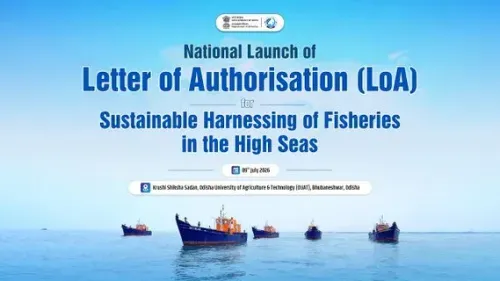
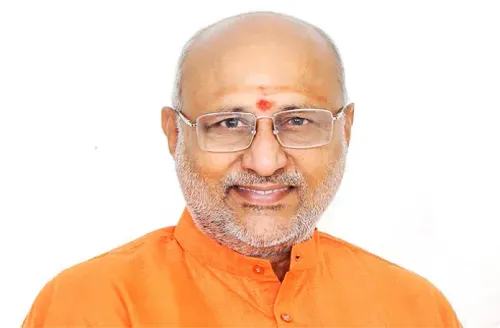
Radhakrishnan launched India's national Letters of Authorisation (LoA) programme for high seas fishing on 9 July 2025 in Bhubaneswar .
The Odisha Deep Sea Fishing Mission Document was also unveiled; 10 FPPOs and fishermen received the first LoAs.
India's EEZ spans nearly 24 lakh square kilometres across a coastline of over 11,000 km , much of it currently underutilised.
India is the world's second-largest fish producer , contributing around 8% of global output; seafood exports crossed ₹73,000 crore last financial year.
The framework mandates digital authorisation, vessel tracking , and strict anti-IUU fishing compliance .
The programme gives priority to fisheries cooperatives and FPPOs for LoA issuance, aiming to empower coastal communities.
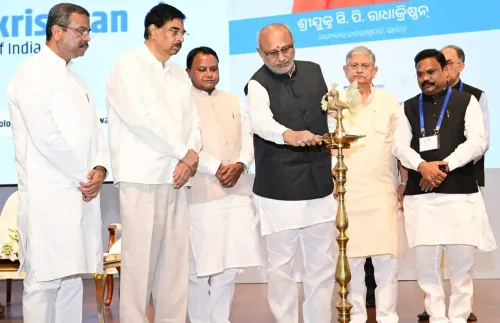
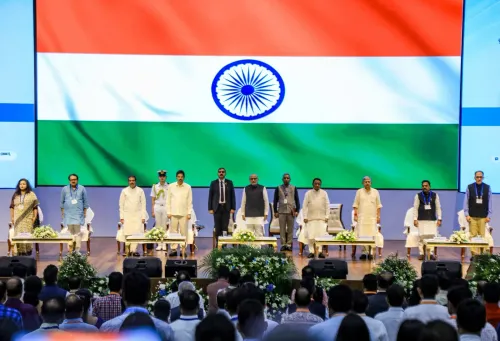
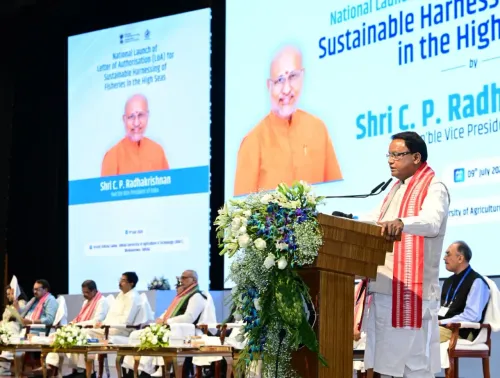
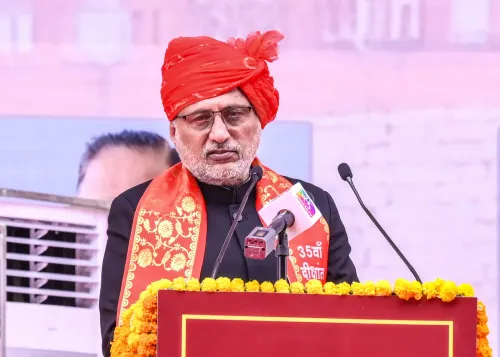
Vice President C.P. Radhakrishnan on 9 July 2025 launched India's national programme for the issuance of Letters of Authorisation (LoAs) for sustainable high seas fishing at a ceremony in Bhubaneswar, Odisha. The initiative opens a formal pathway for Indian fishermen to operate beyond the country's Exclusive Economic Zone (EEZ), targeting high-value deep-sea species such as tuna under a regulated framework.
What Was Launched
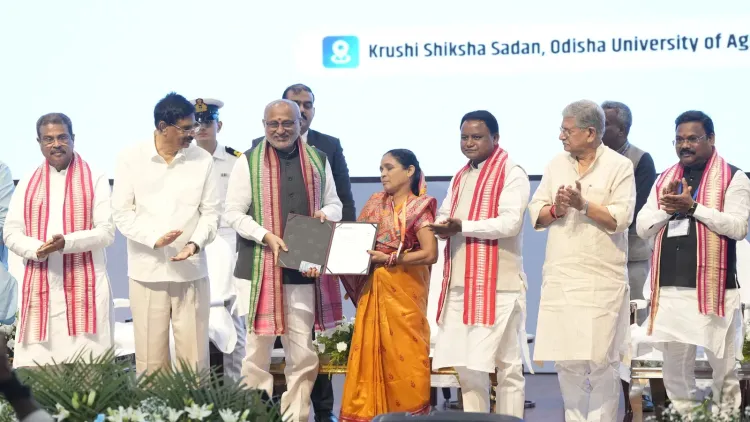
At the event, Vice President Radhakrishnan also unveiled the Odisha Deep Sea Fishing Mission Document and presented LoAs for High Seas Fishing to ten Fish Farmer Producer Organisations (FPPOs) and individual fishermen drawn from across the country. The programme prioritises fisheries cooperatives, FPPOs, and Indian fishermen for LoA issuance, according to officials.
India's Maritime Potential
Radhakrishnan highlighted that India possesses over 11,000 kilometres of coastline and an EEZ of nearly 24 lakh square kilometres — marine territory he described as 'immense wealth that remains largely untapped.' While traditional fishing has hugged the shoreline, the new framework is designed to push Indian fleets confidently into deep waters.
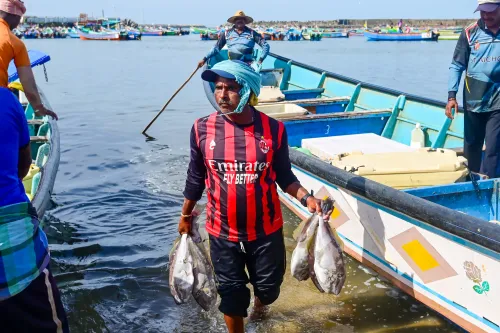
He noted that India is currently the world's second-largest fish-producing country, accounting for roughly 8% of global fish output. The sector supports the livelihoods of nearly 3 crore fishermen and fish farmers, and seafood exports crossed ₹73,000 crore in the last financial year.
Compliance and Technology at the Core
The Vice President underlined that the programme's credibility rests on robust digital authorisation systems, mandatory vessel tracking, international certification, and strict compliance with measures against illegal, unreported and unregulated (IUU) fishing. He stressed that sustainable fishing is 'a moral responsibility' and that economic progress must advance alongside conservation of marine resources.
Employment and Export Upside
Radhakrishnan expressed confidence that the LoA framework would generate employment across the fisheries value chain — spanning harvesting, processing, cold chain, transportation, packaging, logistics, and export services. He also urged young people to view fisheries as a modern, technology-driven profession aligned with global opportunities, calling on institutions to provide fishing communities with knowledge, finance, and technical support to advance the vision of Viksit Bharat 2047.
Senior Leadership Present
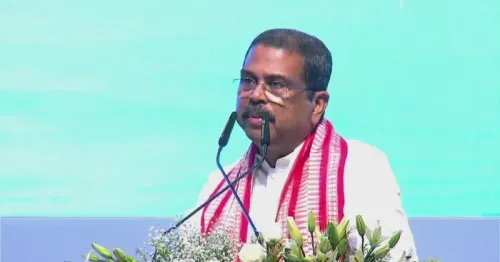
The launch was attended by Odisha Governor Hari Babu Kambhampati, Chief Minister Mohan Charan Majhi, Union Fisheries, Animal Husbandry and Dairying and Panchayati Raj Minister Rajiv Ranjan Singh, Union Education Minister Dharmendra Pradhan, and several other dignitaries. The gathering reflected a rare convergence of Union and state leadership around a single sectoral initiative.
With guidelines now in place, the programme is expected to set the pace for India's ambitions as a deep-sea fishing power — and a test of whether regulatory frameworks can keep pace with the sector's rapid growth.
Point of View
But India's fisheries monitoring infrastructure has historically been thin beyond the 12-nautical-mile limit. Prioritising FPPOs over large commercial operators is the right equity call, but smaller organisations will need sustained capital and training to compete in deep-water harvesting. The ₹73,000 crore export figure shows the sector's commercial scale; the question is whether regulatory capacity can match ambition.
NationPress
9 Jul 2026
Frequently Asked Questions
What is the Letters of Authorisation (LoA) programme for high seas fishing?
It is a national framework launched on 9 July 2025 that formally authorises Indian fishermen and Fish Farmer Producer Organisations to fish sustainably in the high seas and India's Exclusive Economic Zone. The programme includes digital authorisation, vessel tracking, and compliance with international anti-IUU fishing standards.
Why is this programme significant for India?
India holds an EEZ of nearly 24 lakh square kilometres and over 11,000 km of coastline, much of which is underutilised for deep-sea fishing. The LoA framework enables Indian fleets to access high-value species such as tuna in international waters for the first time under a regulated system.
Who received the first Letters of Authorisation?
Ten Fish Farmer Producer Organisations (FPPOs) and individual fishermen from across the country received the first LoAs at the Bhubaneswar launch ceremony, presided over by Vice President C.P. Radhakrishnan.
How big is India's fisheries sector?
India is the world's second-largest fish-producing country, contributing around 8% of global fish output. The sector supports nearly 3 crore fishermen and fish farmers, and seafood exports crossed ₹73,000 crore in the last financial year.
What safeguards are built into the high seas fishing programme?
The programme mandates digital authorisation systems, mandatory vessel tracking, international certification, and strict compliance with measures against illegal, unreported and unregulated (IUU) fishing, according to Vice President Radhakrishnan's address at the launch.