India's space sector powered by new-gen innovators: Piyush Goyal
Synopsis
India's first privately built orbital rocket, Vikram-1, has triggered a wave of high-level political attention — with Skyroot Aerospace's co-founders meeting Commerce Minister Piyush Goyal, Union Minister Ashwini Vaishnaw, and PM Modi in quick succession. The meetings signal that private space is no longer a fringe ambition in India; it is now at the centre of the country's innovation and economic strategy.
Key Takeaways
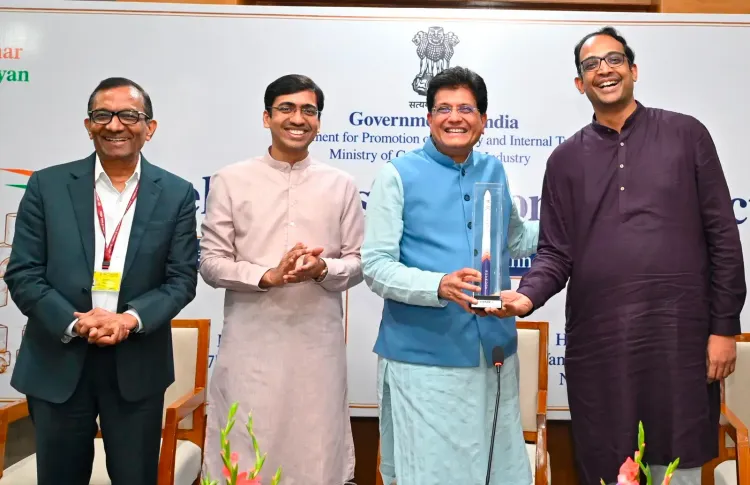
Commerce Minister Piyush Goyal met Skyroot Aerospace co-founders Pawan Kumar Chandana and Naga Bharath Daka on 28 July 2026 in New Delhi .
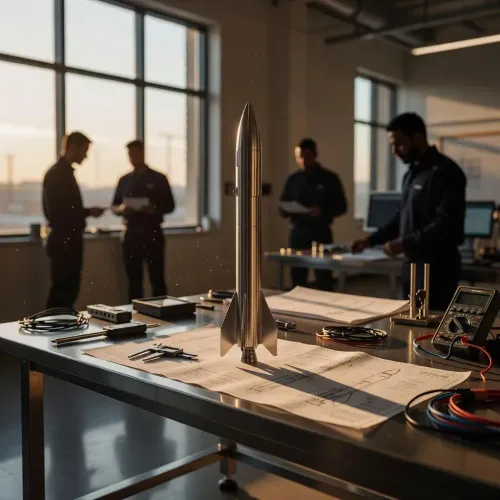
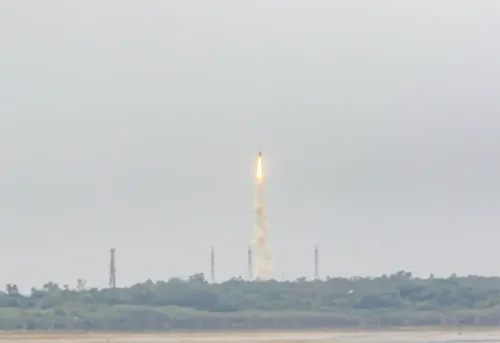
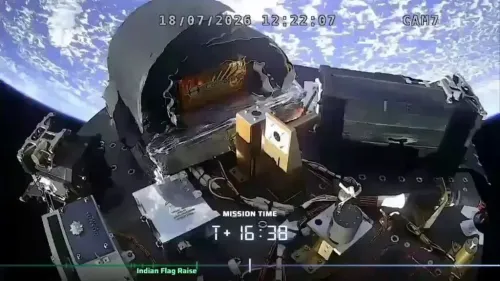
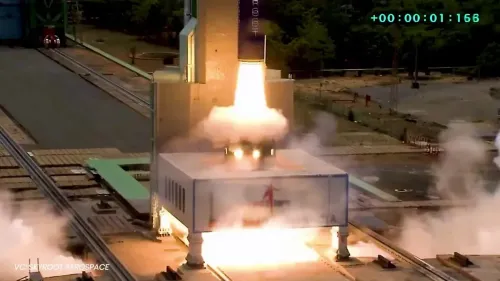
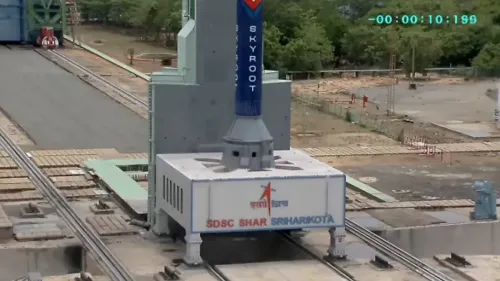
Vikram-1 , India's first privately built and launched orbital rocket, was the centrepiece of discussions.
Goyal had signed a postcard on 10 June 2026 backing the Vikram-1 mission, calling it a symbol of India's space journey.
The Skyroot co-founders also met Union Minister Ashwini Vaishnaw and Prime Minister Narendra Modi .
Skyroot stated its ambition to one day fly India-built chips on its rockets, reflecting the company's deep-tech integration goals.
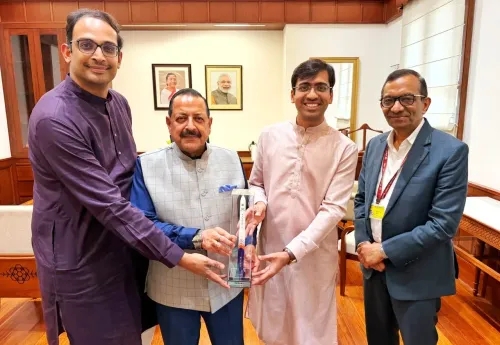
Commerce and Industry Minister Piyush Goyal on 28 July 2026 said India's space sector is being propelled by next-generation innovators and a robust policy environment under Prime Minister Narendra Modi, positioning the country as an emerging global leader in space technology. The remarks came after Goyal met the co-founders of Skyroot Aerospace in New Delhi.
Vikram-1 Mission: A Historic Milestone
Goyal met Pawan Kumar Chandana, Co-founder and CEO, and Naga Bharath Daka, Co-founder of Skyroot Aerospace, expressing pride in their team for the successful launch of the Vikram-1 mission — India's first privately built and launched orbital rocket. The minister described it as 'a landmark moment in our nation's space journey.'
Goyal recalled signing a postcard on 10 June 2026 in support of the Vikram-1 mission. 'What began as a simple gesture of encouragement has become a powerful symbol of India's extraordinary journey, from aspiring to reach space to leaving its imprint beyond Earth,' he said in a post on X.
Key Discussion Points
The meeting covered the road ahead for India's space sector, including strengthening the space startup ecosystem and fostering conditions where top engineering talent chooses to build within India. The Skyroot co-founders also held a separate meeting with Union Minister Ashwini Vaishnaw.
Skyroot said in a statement: 'India's deep-tech ecosystem is accelerating — powered by forward-looking reforms, world-class digital infrastructure, and a strong commitment to innovation. Skyroot is proud to contribute by building globally competitive space technology from India. We look forward to the day India-built chips fly on our rockets.'
PM Modi's Encouragement
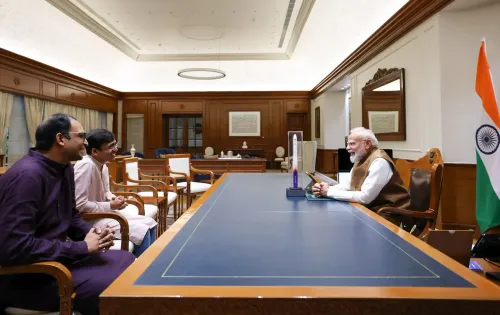
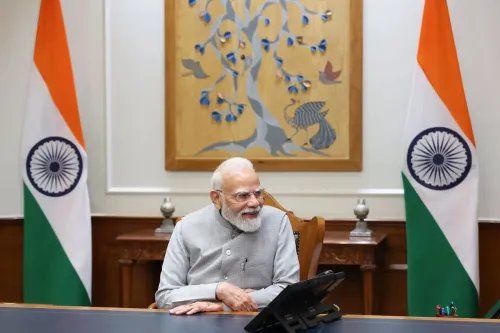
The Skyroot co-founders also met Prime Minister Narendra Modi, discussing technology, long-term vision, and opportunities within India's private space ecosystem. 'His encouragement for young entrepreneurs and confidence in India's growing innovation ecosystem continue to inspire us,' the co-founders said.
Modi noted that the Vikram-1 success featured prominently in the conversation alongside other subjects. 'Happy to hear about their journey so far and their insights on what lies ahead. Their energy, ambition, and positivity reflect the vibrant spirit of our private space ecosystem. Best wishes to the entire Skyroot team,' he said.
What This Signals for India's Space Ambitions
The high-level meetings signal growing government attention to India's private space sector, which has seen a surge of startups since the liberalisation of space policy in recent years. Skyroot's Vikram-1 success is widely seen as a proof-of-concept moment for India's commercial launch capability. This comes amid intensifying global competition in the small-satellite launch market, where players from the US, Europe, and China are all vying for market share. India's ability to offer cost-competitive, reliable launch services through private players could become a strategic economic and diplomatic asset in the years ahead.
Point of View
Vaishnaw, and Modi in a single visit suggest coordinated intent, not coincidence. What is less clear is whether the policy scaffolding — launch clearances, spectrum access, liability frameworks — is keeping pace with the startup momentum. Vikram-1 is a proof of concept, not a commercial cadence. The real test for India's private space ambitions will be whether Skyroot and its peers can achieve repeatable, cost-competitive launches at scale, and whether the government's enthusiasm translates into procurement contracts and not just encouragement.
NationPress
26 Oct 2026
Frequently Asked Questions
What is the Vikram-1 mission and why is it significant?
Vikram-1 is India's first privately built and launched orbital rocket, developed by Skyroot Aerospace. Its successful launch marks a landmark moment in India's space history, demonstrating that private Indian companies can independently design and deploy orbital launch vehicles.
Who are the co-founders of Skyroot Aerospace?
Skyroot Aerospace was co-founded by Pawan Kumar Chandana, who serves as CEO, and Naga Bharath Daka. Both met Commerce Minister Piyush Goyal, Union Minister Ashwini Vaishnaw, and Prime Minister Narendra Modi in New Delhi on 28 July 2026.
What did PM Modi say about Skyroot Aerospace?
PM Modi said the success of Vikram-1 featured prominently in his discussions with the Skyroot co-founders. He noted: 'Their energy, ambition, and positivity reflect the vibrant spirit of our private space ecosystem,' and wished the entire team well.
What did Piyush Goyal say about India's space sector?
Goyal said India's space sector is gaining from existing expertise and the drive of new-generation innovators, backed by a strong policy environment under PM Modi. He also recalled signing a postcard on 10 June 2026 in support of the Vikram-1 mission, calling it a symbol of India's journey from aspiring to reach space to leaving its imprint beyond Earth.
What is Skyroot Aerospace's vision for the future?
Skyroot has stated its ambition to build globally competitive space technology from India and expressed hope that India-built chips will one day fly on its rockets. The company sees itself as a contributor to India's accelerating deep-tech ecosystem.