Jal Shakti Minister Paatil: Wangchuk ends fast after BJP delegation visit
Synopsis
Union Jal Shakti Minister C. R. Paatil announced that Sonam Wangchuk ended his fast after a BJP delegation led by J. P. Nadda visited him in hospital. The government reaffirmed zero tolerance on paper leaks and pledged examination reform through parliamentary debate, prioritising students' welfare.
Key Takeaways
A BJP delegation led by J.
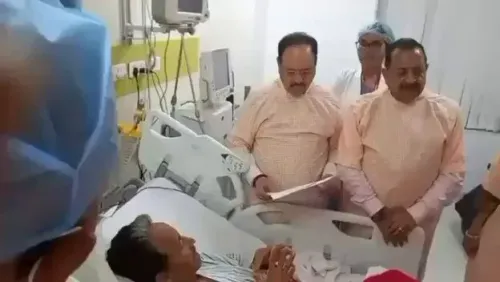
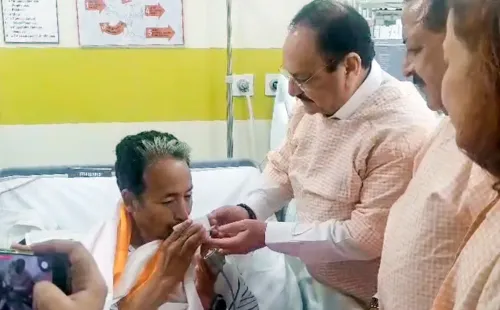
Nadda visited Sonam Wangchuk in hospital on 24 July 2026 .
Wangchuk ended his fast following government assurances conveyed during the visit.
Paatil described the government as 'sensitive' and said students' welfare is 'paramount.' The Modi government reaffirmed a zero-tolerance policy on paper leaks in competitive examinations.
The government committed to examination reform and 'detailed discussion in Parliament' on the issue.
The episode follows high-profile paper-leak controversies, including NEET in 2024 , that triggered national debate on exam integrity.
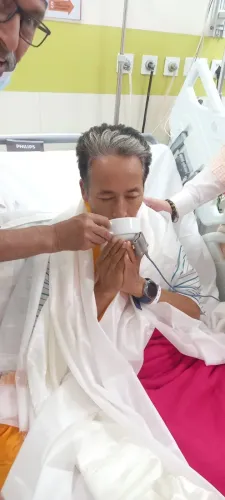
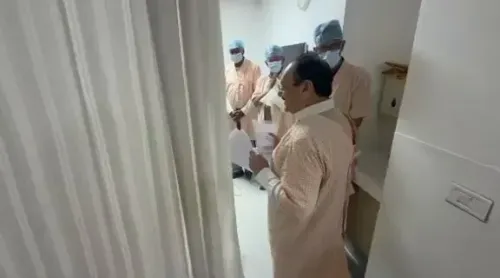
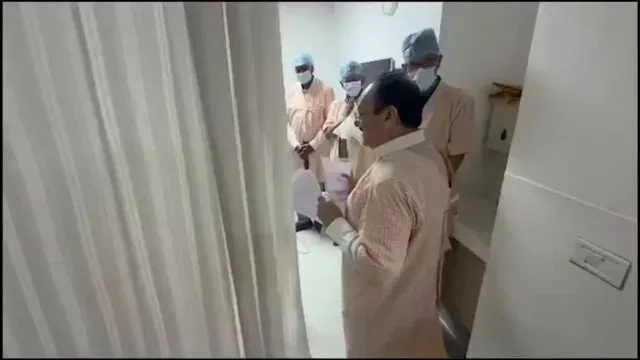
Union Jal Shakti Minister C. R. Paatil announced on Friday, 24 July 2026 that activist Sonam Wangchuk has ended his fast following a hospital visit by a BJP delegation led by senior party leader J. P. Nadda, with the government reaffirming its zero-tolerance policy on paper leaks and commitment to examination reform.
Context
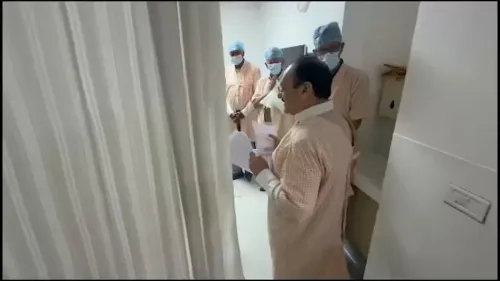
Paatil posted on X that a government delegation, under the leadership of J. P. Nadda, visited Wangchuk in hospital and held discussions with him. Quoting the post: 'सरकार के आश्वासन के बाद श्री वांगचुक जी ने अपना अनशन समाप्त किया' — 'After the government's assurance, Shri Wangchuk ended his fast.' The minister described the government's approach as 'sensitive' and said 'students' welfare is paramount.'
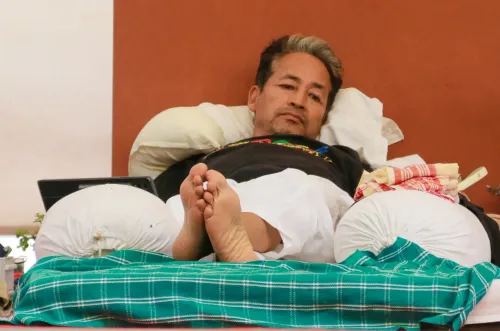
Sonam Wangchuk is a Ladakhi engineer and education activist widely recognised for his work on sustainable education models. His fast had drawn attention to concerns around examination integrity and the welfare of student aspirants across India.
Policy Backdrop
The post comes against the backdrop of a sustained national debate on examination malpractice. In 2024, high-profile allegations of paper leaks in major national-level examinations, including NEET, prompted the government to cancel affected tests, order investigations, and announce stricter oversight measures.
Paatil's post explicitly reaffirms the Modi government's 'zero tolerance' stance on paper leaks — 'पेपर लीक के प्रति जीरो टॉलरेंस की नीति' — and underlines commitments to examination reform, detailed parliamentary debate, and securing the futures of young aspirants. Indian authorities have repeatedly signalled that systemic reform of testing bodies remains a governance priority under the current administration.
Stakeholders and Impact
The primary stakeholders are millions of student aspirants who depend on competitive examinations for admission to professional courses and government employment. Integrity failures in these exams have cascading consequences for academic calendars, career timelines, and public trust in institutions.
The involvement of a senior figure such as J. P. Nadda in personally leading the delegation signals the political weight the government is attaching to resolving the standoff and addressing student concerns. Wangchuk's decision to end the fast following government assurances may ease immediate tensions, though scrutiny of follow-through will remain high among student groups and civil society.
What's Next
Paatil's post specifically mentions 'detailed discussion in Parliament' — 'संसद में विस्तृत चर्चा' — as part of the government's commitment, pointing to forthcoming legislative or procedural action on examination reform. Observers will watch for the introduction of new legislation governing exam conduct, timelines for reform of testing bodies, and whether the assurances given to Wangchuk translate into concrete policy measures.
The resolution of this episode is unlikely to close the broader debate on examination integrity; parliamentary proceedings and the government's legislative calendar on this issue will remain a key indicator of how seriously the zero-tolerance pledge is being implemented.
Point of View
The administration is attempting to reclaim the narrative on an issue that exposed institutional vulnerabilities in 2024. The explicit mention of parliamentary debate suggests the government anticipates legislative action will be necessary to credibly close the policy gap. Whether the assurances translate into durable reform or remain a short-term political gesture will define the government's standing with a large and electorally significant constituency of young aspirants.
NationPress
22 Oct 2026
Frequently Asked Questions
Why did Sonam Wangchuk end his fast in July 2026?
Sonam Wangchuk ended his fast after a BJP delegation led by J. P. Nadda visited him in hospital and the government gave him assurances, as announced by Union Minister C. R. Paatil on 24 July 2026.
What is the government's policy on paper leaks in exams?
The Modi government has stated a zero-tolerance policy on paper leaks, committing to examination reform and detailed parliamentary debate to protect the futures of student aspirants.
Who led the BJP delegation that met Sonam Wangchuk?
Senior BJP leader J. P. Nadda led the delegation that visited Sonam Wangchuk in hospital, according to Union Minister C. R. Paatil's post.
What is Sonam Wangchuk known for?
Sonam Wangchuk is a Ladakhi engineer and education activist recognised for his work on sustainable education models and for raising civic concerns in the public domain.
What examination controversy preceded Wangchuk's fast?
In 2024, major national-level examinations including NEET faced allegations of paper leaks, prompting cancellations, investigations, and government pledges of stricter oversight — forming the broader context for ongoing debate on exam integrity.