Sonam Wangchuk vows to fast on Day 23 until students meet MPs
Synopsis
Hospitalised but unbowed, Sonam Wangchuk has refused to end his 23-day fast until students get a hearing in Parliament. What began as outrage over an alleged judicial remark has snowballed into a full-throated movement against education policy failures — and the government's response so far has been police action, not dialogue.
Key Takeaways
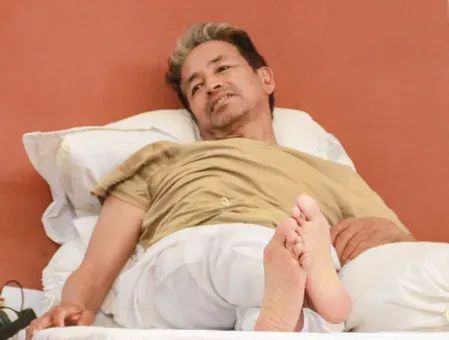
Sonam Wangchuk declared on 20 July he would continue his fast, now on Day 23 , from Safdarjung Hospital , New Delhi.
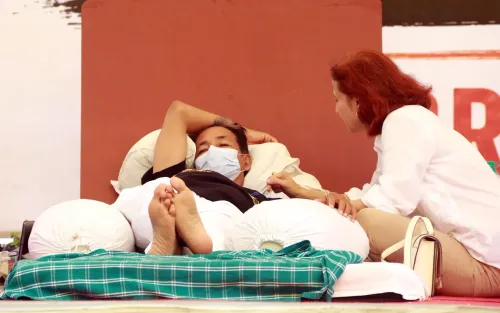
He was removed from Jantar Mantar by Delhi Police on Saturday and admitted for medical care.
His condition: fast will end only when student leaders meet Parliamentarians at Sansad Bhavan , or he meets them at the hospital.
Protests are led by the Cockroach Janta Party (CJP) , demanding resignation of Education Minister Dharmendra Pradhan and education reforms.
The movement was triggered by an alleged remark by Chief Justice Surya Kant and intensified after the NEET paper leak and reports of student suicides.
Police on Monday stopped CJP members from marching into the Parliament building.
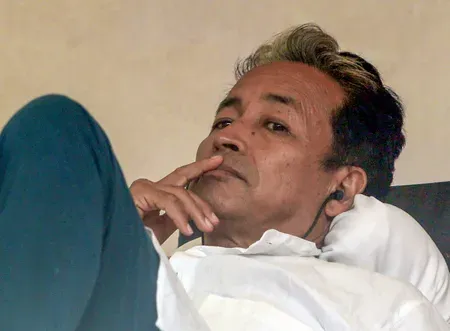
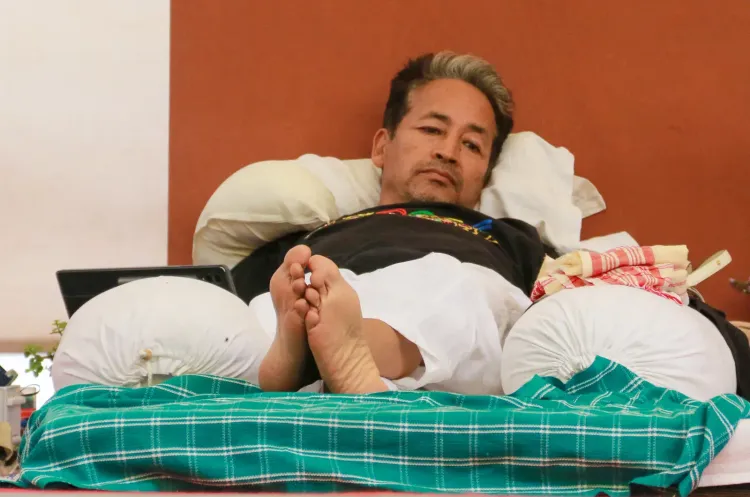
Climate activist Sonam Wangchuk, hospitalised at Safdarjung Hospital in New Delhi after being removed from Jantar Mantar by Delhi Police on Saturday, declared in a handwritten note on Monday, 20 July that he would press on with his fast — now entering its 23rd day — until student protest leaders were permitted to meet Parliamentarians at Sansad Bhavan, or he himself was allowed to meet them at the hospital.
Wangchuk's Statement from Hospital
'I will continue my fast (Day 23),' Wangchuk wrote in a signed statement, released on social media platform X. He cited what he described as the 'brutality' with which peacefully protesting youth were being handled, and said he would not relent until the youth leaders secured access to lawmakers. He also expressed hope that the government would 'fix the Education Minister's accountability' before that point.
'I am touched and moved by how the youth have held on to peace despite provocation,' he wrote, appealing to the government and police to 'resolve the issue by simply allowing the students to present their grievances before Parliament today or tomorrow.' He added that he was confident the protesters would 'show the same patience and tolerance tomorrow as they did today.'
What the Protesters Are Demanding
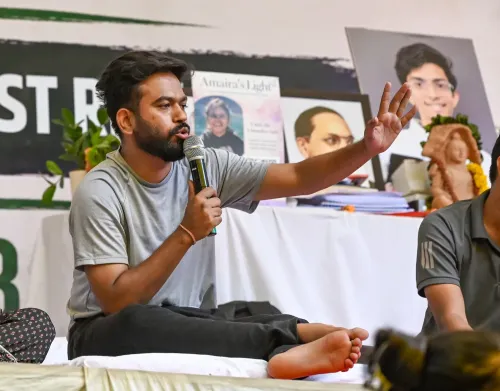
The demonstrations at Jantar Mantar, led by the Cockroach Janta Party (CJP), have centred on two core demands: the resignation of Education Minister Dharmendra Pradhan and urgent reforms to India's education system. The protests intensified following Wangchuk's forced hospitalisation, with CJP members staging a march toward the Parliament building on Monday. Police intervened to prevent students from entering the premises.
How the Movement Began
The agitation reportedly originated after Chief Justice of India Surya Kant allegedly compared unemployed young people taking up activism to 'cockroaches and parasites' — a remark that drew sharp public backlash. The movement gained further momentum after the NEET medical entrance examination was cancelled following a paper leak, and reports emerged of students dying by suicide in the aftermath.
Notably, what began as a response to a judicial remark has since broadened into a wider student movement demanding systemic accountability in education governance — a pattern seen in earlier campus-driven agitations across India.
Health Concerns and Public Response
Wangchuk's deteriorating health has drawn concern from supporters across the country. While many have praised his resolve, they have also urged authorities to engage constructively with the students' grievances rather than relying on police action. His hospitalisation has not dampened the protest; if anything, it appears to have galvanised the movement further.
What Happens Next
The immediate flashpoint is whether the government will allow student representatives to meet Parliamentarians — the single condition Wangchuk has set for ending his fast. With the protest showing no signs of abating and Wangchuk's health a growing concern, pressure on the administration to respond is likely to mount in the coming days.
Point of View
Not ends them. The underlying grievances are substantive: a cancelled national exam, reports of student suicides, and a judicial remark that lit the match. Dismissing this as a law-and-order problem, rather than a governance failure, risks letting a containable crisis become a defining political liability.
NationPress
20 Oct 2026
Frequently Asked Questions
Why is Sonam Wangchuk on a fast?
Wangchuk is on a fast to press the government to allow student protest leaders to meet Parliamentarians at Sansad Bhavan, or to allow those leaders to meet him at Safdarjung Hospital. He says he will not end the fast — now in its 23rd day — until one of those conditions is met.
What happened to Wangchuk at Jantar Mantar?
Delhi Police removed Wangchuk from the protest site at Jantar Mantar on Saturday and had him admitted for medical care at Safdarjung Hospital in New Delhi. He subsequently issued a handwritten statement on Monday reaffirming his intent to continue fasting.
What are the student protesters demanding?
Protesters, led by the Cockroach Janta Party (CJP), are demanding the resignation of Education Minister Dharmendra Pradhan and urgent reforms to India's education system. The protests were partly triggered by the cancellation of the NEET medical entrance exam following a paper leak.
How did this protest movement start?
The movement reportedly began after Chief Justice of India Surya Kant allegedly likened unemployed youth taking up activism to cockroaches and parasites. It gained momentum after the NEET paper leak forced cancellation of the exam and reports emerged of students dying by suicide.
What did police do when students marched toward Parliament?
On Monday, Delhi Police intervened to stop CJP members from entering the Parliament building during a march aimed at presenting their demands directly to lawmakers. No breakthrough in dialogue has been reported as of the latest update.