West Bengal Elections 2026: Two-Phase Voting After 25 Years
Synopsis
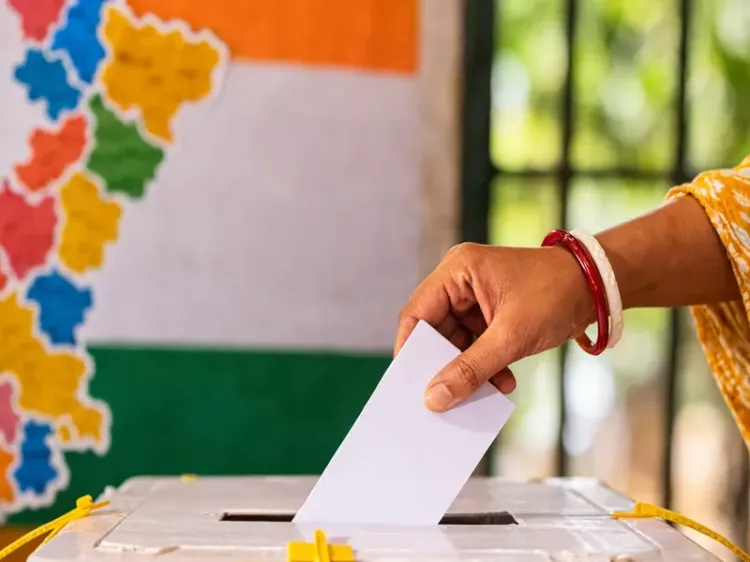
The Election Commission of India has announced a two-phase voting schedule for the 2026 West Bengal Assembly elections, the first time in 25 years. This decision follows stakeholder discussions and aims to ensure a violence-free electoral process.
Key Takeaways
The 2026 West Bengal Assembly elections will be held in two phases for the first time since 2001.
This decision follows stakeholder consultations and aims to ensure a free and fair electoral process.
Approximately 2,250 to 2,500 companies of CAPF are expected to be deployed for security during the elections.
Most political parties, except the ruling party, advocated for fewer polling phases.
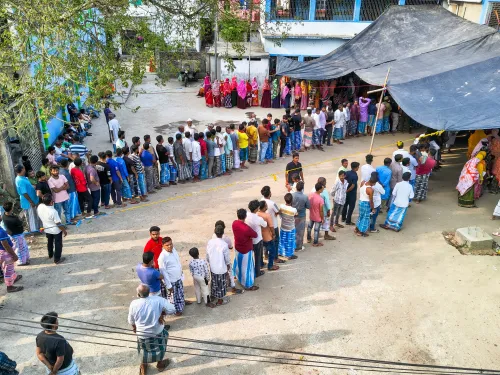
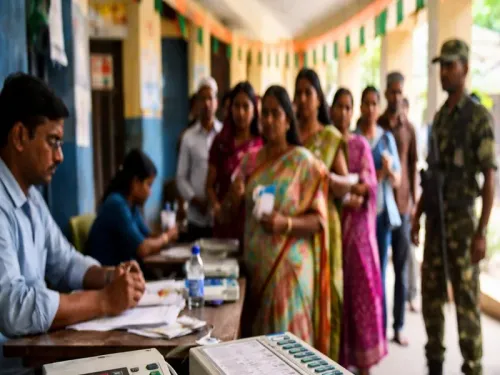
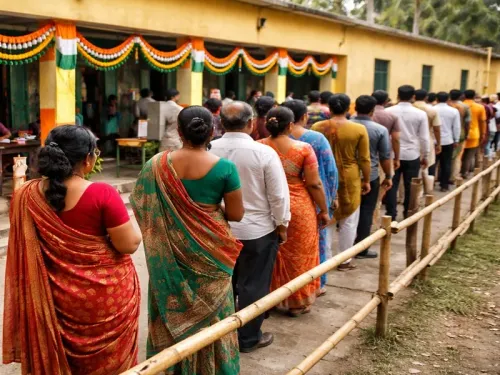
Kolkata, March 15 (NationPress) The Election Commission of India (ECI) has declared a two-phase polling schedule for the upcoming 2026 West Bengal Assembly elections, marking a significant change as the state will experience this limited polling format for the first time in 25 years.
The last occasion Assembly elections were held in just one phase was in 2001.
Since that time, the number of polling phases has increased dramatically in subsequent elections — five phases in 2006, six in 2011, seven in 2016, and eight phases during the most recent election in 2021.
Even the previous three Lok Sabha elections witnessed multiple phases of polling in West Bengal: five in 2014, seven in 2019, and again seven phases in 2024.
This upcoming election will be the first since 2001 to conduct voting in only two phases.
Chief Election Commissioner Gyanesh Kumar stated, “After consultations with all relevant stakeholders, the Commission deemed it necessary to organize the polls in West Bengal over two phases this time. We will ensure that all arrangements are made to guarantee a free, fair, and entirely violence-free polling process.”
During a recent visit by the full bench of the Election Commission of India to West Bengal, most political parties, excluding the ruling Trinamool Congress, requested a single-phase or two-phase polling system.
The ECI's announcement of a two-phase voting schedule indirectly acknowledges the opposition parties' recommendations in the state.
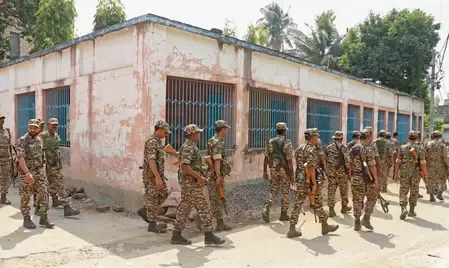
Now, attention is focused on the need for Central Armed Police Forces (CAPF) to ensure that the polling is conducted in a fair and peaceful manner.
In the last major electoral exercise for the 2024 Lok Sabha elections, voting occurred over seven phases, with the deployment of 1,099 companies of CAPF.
A source from the Chief Electoral Officer’s (CEO) office mentioned, “Based on average estimates, it is anticipated that around 2,250 to 2,500 companies of CAPF may be necessary for conducting polling in two phases.”
Point of View
The ECI aims to enhance voter participation and maintain order during the elections, addressing concerns raised by various political factions in the state.
NationPress
22 Sept 2026
Frequently Asked Questions
What is the significance of the two-phase polling in West Bengal?
This marks the first time in 25 years that West Bengal will conduct its Assembly elections in just two phases, aiming to simplify the electoral process and ensure a fair voting environment.
Why was the decision for two-phase polling made?
The decision was made after discussions with stakeholders, taking into account demands from opposition parties for fewer polling phases to facilitate a smoother electoral process.
How many companies of CAPF will be needed for the elections?
It is estimated that approximately 2,250 to 2,500 companies of Central Armed Police Forces (CAPF) may be required to maintain security during the two-phase polling.
When will the 2026 West Bengal Assembly elections take place?
The specific dates for the 2026 West Bengal Assembly elections have yet to be announced by the Election Commission.
What was the last time elections were held in a single phase in West Bengal?
The last Assembly elections in West Bengal conducted in a single phase occurred in 2001.