West Bengal Assembly passes two OBC reservation Bills, scraps TMC-era list
Synopsis
The BJP-led West Bengal government has moved decisively to dismantle the TMC's OBC reservation framework, passing two Bills that restore the Left Front-era structure and empower the Backward Classes Commission to redraw community lists — setting up a major political and legal battle with Mamata Banerjee's party.
Key Takeaways
The West Bengal Assembly passed two OBC reservation Bills by voice vote on 29 June 2026 .
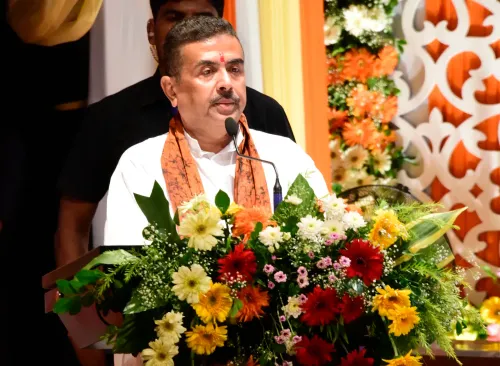
The Bills enable Chief Minister Suvendu Adhikari 's BJP government to cancel the OBC list prepared under the TMC regime.
The current TMC-era list includes 65 communities under Category A and 78 communities under Category B.
The new legislation restores the Left Front-era reservation structure first enacted in 2010 following the Ranganath Mishra Commission recommendations.
Total OBC reservation in state government jobs will not exceed 50 per cent ; the Backward Classes Commission will advise on percentages and classifications.
BJP legislators alleged the TMC list favoured Muslim communities at the expense of Hindu communities — claims the TMC disputes.
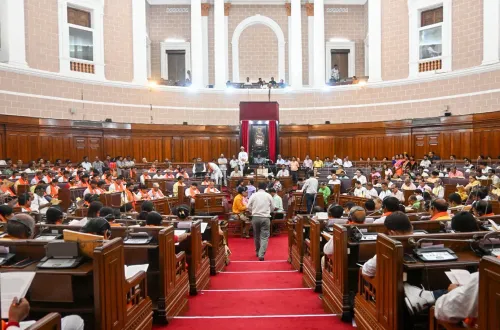
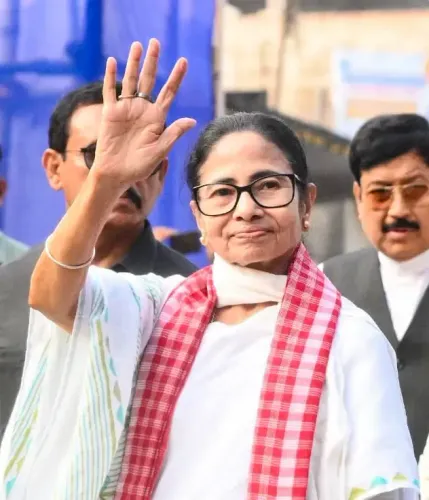
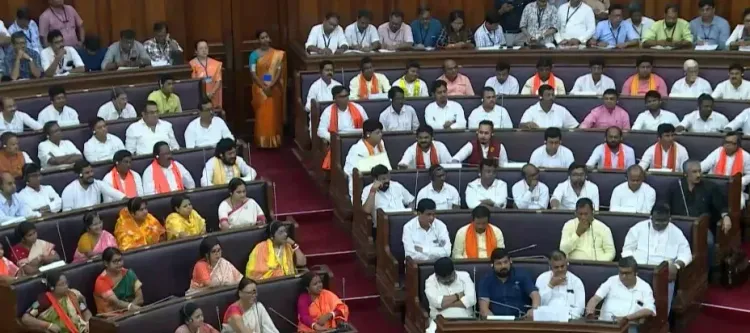
The West Bengal Legislative Assembly on Monday, 29 June 2026, passed two landmark Bills on Other Backward Classes (OBC) reservation in state government jobs by voice vote, clearing the path for the Bharatiya Janata Party (BJP)-led government to nullify the OBC list compiled under the previous Mamata Banerjee-led All India Trinamool Congress (TMC) administration. The development marks a significant policy reversal on one of West Bengal's most contested social-justice questions.
The Two Bills at a Glance
The legislation tabled by Backward Classes Welfare and Mass Education Extension and Library Services Minister Gouri Shankar Ghosh comprises two amendments: 'The West Bengal Backward Classes (Other than SC and ST) Reservation of Vacancies in Services and Posts (Amendment) Bill, 2026' and 'The West Bengal Backward Classes Commission (Amendment) Bill, 2026'. Together, they empower the state government — in consultation with the Backward Classes Commission — to redraw OBC categories, revise reservation percentages, and classify communities by degree of backwardness, subject to an overall ceiling of 50 per cent total reservation.
What the BJP Government Argues
During the floor debate, BJP legislators alleged that the previous TMC administration had deliberately skewed the OBC list by including a disproportionately large number of communities from the Muslim background, purportedly to consolidate minority votes. The party contended that this came at the cost of communities from a Hindu background, who were, according to BJP legislators, denied their rightful share of reservation benefits. These are the BJP's stated positions and have not been independently verified.
The OBC List That Is Being Scrapped
The contested list, amended by the TMC government in 2012, retained 65 communities under Category A and 78 communities under Category B, and also brought in Christians converted from Scheduled Castes into Category B. The TMC amendments had additionally reorganised the original schedules of the reservation law — shifting the earlier Schedule 1 and Schedule 2 to Schedule 2 and Schedule 3, respectively. Under the Bills passed on Monday, the BJP government has reinstated the original Left Front-era Schedule 1 (which corresponds to Schedule 2 under TMC law) while scrapping the TMC-era Schedule 1 and Schedule 3.
Historical Context: From Left Front to TMC to BJP
OBC reservation in West Bengal was introduced in 2010 on the recommendations of the Ranganath Mishra Commission. The then Left Front government, led by the late Buddhadeb Bhattacharjee, enacted the original law through a Bill moved by then Backward Classes Development Minister Yogesh Chandra Burman, providing 10 per cent reservation for Category A and 7 per cent for Category B communities. The new BJP legislation effectively restores the structural framework of that Left Front-era law, bypassing the TMC-era amendments entirely.
What Happens Next
With Chief Minister Suvendu Adhikari's government now empowered to cancel the TMC-era OBC list, the Backward Classes Commission is expected to begin a fresh review of community inclusions and exclusions. The commission will also have the authority to raise objections to any proposed changes. The final reservation percentages for OBC communities in state government jobs will be determined through this consultative process, and may be revised periodically — as long as the total reservation cap of 50 per cent is not breached. The move is likely to face legal and political challenges from the TMC, which remains the principal opposition in the state.
Point of View
But it has never been tested before a judicial or independent commission — and the new Bills do not themselves establish such a mechanism. The real governance question is whether the Backward Classes Commission, now empowered to object to inclusions and exclusions, will be allowed to function with genuine independence, or whether its recommendations will be shaped by the same electoral calculus the BJP accuses the TMC of applying.
NationPress
29 Jun 2026
Frequently Asked Questions
What are the two OBC Bills passed by the West Bengal Assembly?
The two Bills are 'The West Bengal Backward Classes (Other than SC and ST) Reservation of Vacancies in Services and Posts (Amendment) Bill, 2026' and 'The West Bengal Backward Classes Commission (Amendment) Bill, 2026', passed by voice vote on 29 June 2026. Together, they allow the BJP-led state government to scrap the TMC-era OBC list and restore the Left Front-era reservation framework.
Why is the BJP government scrapping the TMC-era OBC list?
BJP legislators allege that the previous TMC government deliberately included a disproportionately large number of Muslim communities in the OBC list to consolidate minority votes, depriving Hindu communities of their due share. These are the BJP's stated positions; the TMC disputes them.
What was the original OBC reservation framework in West Bengal?
OBC reservation in West Bengal was introduced in 2010 based on the Ranganath Mishra Commission's recommendations, with the Left Front government providing 10 per cent reservation for Category A and 7 per cent for Category B communities. The new BJP legislation revives this structure.
How will OBC reservation percentages be decided going forward?
Under the new Bills, the state government will determine OBC reservation percentages in consultation with the Backward Classes Commission. The total reservation across all categories cannot exceed 50 per cent, and percentages may be revised periodically.
Who is affected by the scrapping of the TMC-era OBC list?
Communities currently listed under the TMC-era OBC categories — 65 under Category A and 78 under Category B, including Christians converted from Scheduled Castes — face potential reclassification or removal. The changes will affect eligibility for OBC reservation in West Bengal state government jobs.