Empowering Women: Government Schemes Transforming Entrepreneurship in India
Synopsis
Explore how government initiatives are revolutionizing women's financial empowerment and entrepreneurship in India. From the Sukanya Samriddhi Yojana to the NaMo Drone Didi Yojana, these schemes are paving the way for a brighter future for women, particularly in rural areas.
Key Takeaways
Women Empowerment: Government schemes are enhancing women's financial independence.
Entrepreneurship Boost: Initiatives like Womaniya are aiding women entrepreneurs.
Rural Focus: Programs target rural and underserved women.
Financial Inclusion: Access to banking and loans is improving.
Sustainable Livelihoods: Schemes support women in achieving sustainable income.
New Delhi, March 6 (NationPress) Government initiatives focused on women are significantly enhancing financial independence and entrepreneurship throughout India, especially in rural and underprivileged areas, as stated in an official report released on Friday.
Key programs aimed at empowering women, including the Sukanya Samriddhi Yojana, NaMo Drone Didi Yojana, and the Womaniya Initiative, are designed to improve access to credit, skill development, and market opportunities. The government underscored these initiatives as part of its vision to develop a “Viksit Bharat” by 2047, where women are pivotal to economic advancement and community progress.
The Sukanya Samriddhi Yojana (SSY), initiated in 2015 under the Beti Bachao Beti Padhao initiative, promotes saving for the educational and future aspirations of the girl child.
Offering an attractive interest rate of 8.2% annually and tax advantages under Section 80C, SSY has amassed deposits exceeding Rs 3.33 lakh crore by December 2025, as per official statistics.
Additionally, the report noted that the Deendayal Antyodaya Yojana – National Rural Livelihoods Mission (DAY-NRLM) is bolstering the economic engagement of rural women by uniting them into self-help groups (SHGs).
With more than 10.05 crore rural women organized into over 90.9 lakh SHGs, this program has created one of the largest networks of women-led community organizations globally. The government reported a remarkable repayment rate exceeding 98%, indicating excellent financial management within the groups.
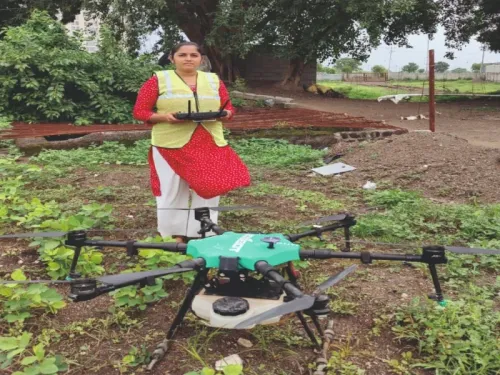
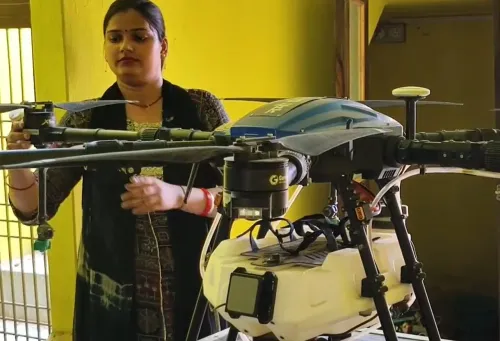
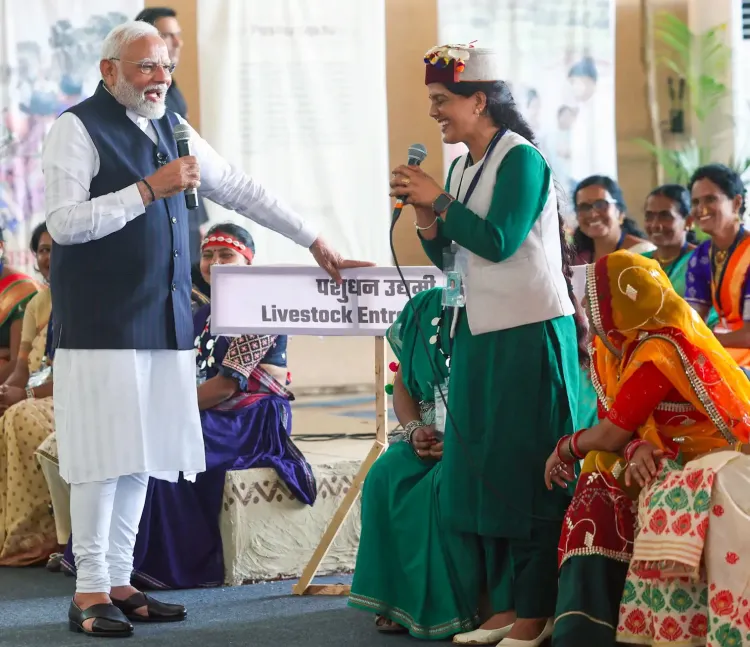
Moreover, the tech-driven NaMo Drone Didi Yojana provides women’s SHGs with drones for agricultural tasks, such as applying fertilizers and pesticides, thus generating new income streams and promoting precision farming.
Another initiative, the Lakhpati Didi Scheme, aims to empower women SHG members to achieve an income exceeding Rs 1 lakh annually through sustainable livelihood projects.
The government has ambitious plans to create 6 crore “Lakhpati Didis” and has initiated a national entrepreneurship campaign to train 50 lakh SHG members with the help of 50,000 community resource individuals, as highlighted in the report.
Furthermore, the Womaniya Initiative is enhancing market access for women entrepreneurs via the Government e-Marketplace (GeM) platform.
As of January 2026, over two lakh women-led businesses have registered on GeM, securing procurement orders totaling more than Rs 80,000 crore.
Financial inclusion is further promoted through initiatives like Pradhan Mantri Jan Dhan Yojana (PMJDY), Pradhan Mantri Mudra Yojana, PM SVANidhi, and the Stand-Up India Scheme, all of which provide access to banking, collateral-free loans, and entrepreneurship support.
Launched in 2014, PMJDY ensures universal access to affordable financial services, including basic savings accounts, remittances, credit, insurance, and pensions.
During the COVID-19 pandemic, the government introduced the PM SVANidhi scheme in 2020, aimed at offering collateral-free working capital loans to street vendors impacted by the crisis. By December 2025, over 1.46 crore loans had been approved, according to government sources.
Under the Stand-Up India Scheme, women and entrepreneurs from Scheduled Caste (SC) and Scheduled Tribe (ST) backgrounds can access bank loans ranging from Rs 10 lakh to Rs 1 crore to launch businesses in various sectors, including manufacturing, services, trading, and agri-allied activities.
These government initiatives are empowering women to establish sustainable livelihoods, achieve financial independence, and contribute significantly to India’s economic growth.
Point of View
It is apparent that the government's focus on women-centric schemes is paving the path toward a more equitable economy. These initiatives not only promote financial independence but also empower women to become integral contributors to community and national development.
NationPress
20 Sept 2026
Frequently Asked Questions
What is the Sukanya Samriddhi Yojana?
The Sukanya Samriddhi Yojana is a savings scheme launched in 2015 to promote savings for the education and future needs of the girl child, offering an interest rate of 8.2% annually.
How does the NaMo Drone Didi Yojana support women?
This initiative equips women’s self-help groups with drones for agricultural services, creating income opportunities and promoting precision farming.
What is the goal of the Lakhpati Didi Scheme?
The Lakhpati Didi Scheme aims to enable women SHG members to earn more than Rs 1 lakh annually through sustainable livelihood activities.
How many women have been mobilized under DAY-NRLM?
Over 10.05 crore rural women have been organized into more than 90.9 lakh self-help groups under the DAY-NRLM program.
What support does the Stand-Up India Scheme provide?
The Stand-Up India Scheme provides bank loans between Rs 10 lakh and Rs 1 crore to women and SC/ST entrepreneurs to start businesses.