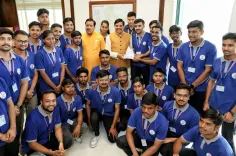
Bhupender Yadav raises alarm over mistreatment of women police recruits
Synopsis
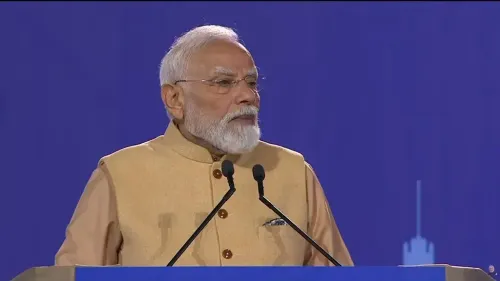
Senior BJP leader and Union Environment Minister Bhupender Yadav questioned on X the alleged mistreatment of rural women police recruits during protests, reigniting debate over the safety and dignity of female constables on frontline duty in India.
Key Takeaways
Bhupender Yadav , Union Environment Minister and senior BJP leader, posted on 15 October 2026 raising concern over mistreatment of women police constables during protests.
His post specifically highlighted women recruits who come from village backgrounds and questioned what fault they bear for being targeted.
The post was accompanied by a video , suggesting a specific recent incident prompted the statement.
The Ministry of Home Affairs issued advisories as far back as 2009–2010 pushing states to ensure women form at least 33 per cent of police forces.
The specific protest referenced in the post has not been independently verified, but the broader pattern of female constable welfare during agitations is a documented policy concern.
They come from villages, they clear a competitive recruitment, they wear a uniform — and then, Union Environment Minister Bhupender Yadav is asking, they are subjected to mistreatment in the name of protest. On Thursday, 15 October 2026, the senior BJP leader posted a sharp, pointed question on X that cuts to a fault line India has long struggled with: who protects the protectors?
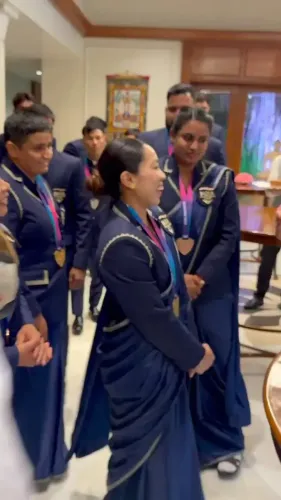
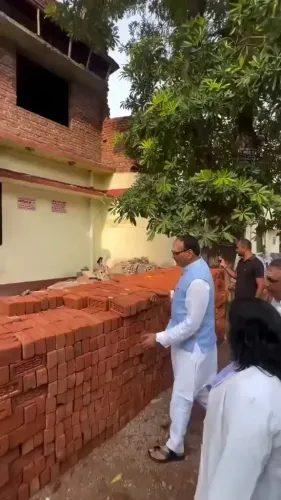
Yadav's post, in Hindi, translates as: 'Hamari ladkiyan jo gaon se aati hain, jo police mein bharti hoti hain. Unka kya dosh hai? Unke saath kis prakar ka durtavyavhar kiya ja raha hai protest ke naam par.' ('Our girls who come from villages, who are recruited into the police — what is their fault? What kind of mistreatment is being inflicted on them in the name of protest.') The post was accompanied by a video, the contents of which appear to show the incident he is referencing.
The women at the centre of the charge
The concern Yadav raises is not abstract. Over the past decade and a half, successive Union governments — beginning with a Ministry of Home Affairs advisory in 2009–2010 — have pushed states to raise women's representation in police forces to at least 33 per cent. Several states have since enacted formal reservations in police recruitment, specifically to draw in women from rural and semi-urban backgrounds who had little previous access to a uniform career.
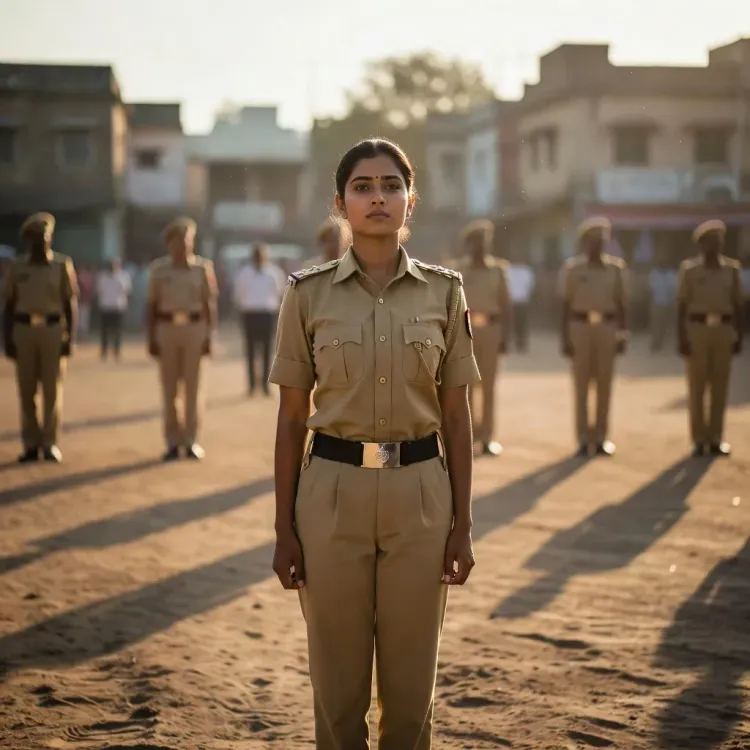
These recruits — many of them first-generation government employees from their families — now make up a visible, frontline presence in crowd-management and law-and-order duties. That visibility, Yadav's post implies, has made them a target.
A recurring fault line in India's protest landscape
The tension between demonstrators and the police personnel deployed against them is not new to India. What Yadav's post specifically highlights, however, is the gendered dimension of that tension: that women constables, drawn disproportionately from rural communities with fewer social safety nets, bear a particular vulnerability when protests turn hostile toward law enforcement.
The specific protest or incident referenced in the video has not been independently verified. But the broader pattern Yadav is pointing to — the welfare of female police personnel during agitations — has been raised periodically in parliamentary debates and state assembly sessions, without yet producing a uniform national framework for their protection on duty.
What comes next: welfare, accountability, and Parliament
Yadav's intervention, carrying the weight of a senior Cabinet minister's platform, is likely to draw responses from state governments and police welfare bodies. Parliamentary questions on the safety and dignified treatment of women recruits during public disorder situations could follow when the next session convenes.
The question he leaves on the table is both political and deeply human: if the state recruits women from its most modest villages into the front lines of public order, it carries an obligation to ensure those lines do not become a site of their humiliation.
Point of View
Yadav moves the issue from a state-level police-welfare footnote toward potential national legislative or parliamentary scrutiny. Whether this translates into enforceable protections for women on duty, or remains a rhetorical moment, will define its policy legacy.
NationPress
15 Oct 2026
Frequently Asked Questions
What did Bhupender Yadav say about women police recruits?
Bhupender Yadav questioned the alleged mistreatment of rural women police constables during protests, asking what fault these women — recruited from villages into the police force — bear for being targeted.
Which protest is Bhupender Yadav referring to in his post?
The specific protest referenced in his 15 October 2026 post, along with an attached video, has not been independently verified. Yadav did not name the protest or location explicitly in the text.
What is India's policy on women's representation in the police?
The Ministry of Home Affairs advised states in 2009–2010 to ensure women comprise at least 33 per cent of police recruitment. Several states have since enacted formal reservations to increase female representation, particularly drawing recruits from rural backgrounds.
Why are women police constables from villages considered vulnerable during protests?
Many women constables are first-generation government employees from rural families with limited social safety nets. Their frontline deployment in crowd management exposes them to the same risks as male officers, but with fewer protections and greater social vulnerability if targeted.
What action could follow Bhupender Yadav's statement on women police welfare?
Parliamentary questions on the safety of women police personnel during public-order situations are possible when Parliament next convenes, and state governments may face pressure to respond on the welfare of female constables deployed at protest sites.