CM Yogi: Ahilyabai Holkar Statue Gives Firozabad New Identity
Synopsis
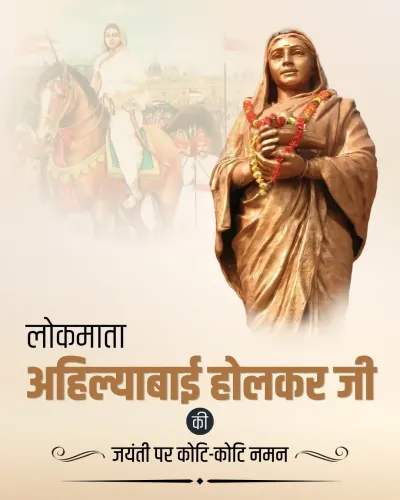
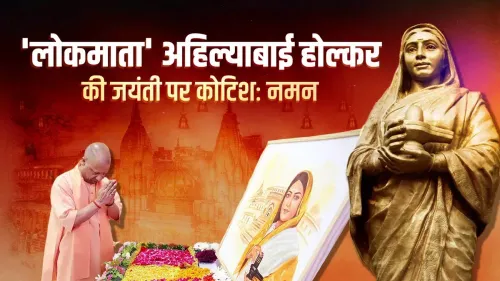
Chief Minister Yogi Adityanath says the grand statue of Lokmata Ahilyabai Holkar in Firozabad is giving the district a new identity and inspiring Sanatana Dharma followers to honour their ancestors, the UP Chief Minister's Office announced on 22 June 2026.
Key Takeaways
The Chief Minister's Office of Uttar Pradesh shared CM Yogi Adityanath's statement on 22 June 2026 praising the Ahilyabai Holkar statue in Firozabad.
CM Yogi described the statue as giving Firozabad district a new identity and inspiring Sanatana Dharma followers to express gratitude toward their ancestors.
Ahilyabai Holkar (1725–1795) was the queen of Malwa, celebrated for rebuilding the Kashi Vishwanath temple and constructing public infrastructure across India.
Firozabad , traditionally known for its glass bangle industry, is being positioned by the state as a heritage tourism destination.
The statue is part of the Yogi Adityanath government's broader policy since 2017 of installing memorials to pre-colonial Hindu rulers across UP districts.
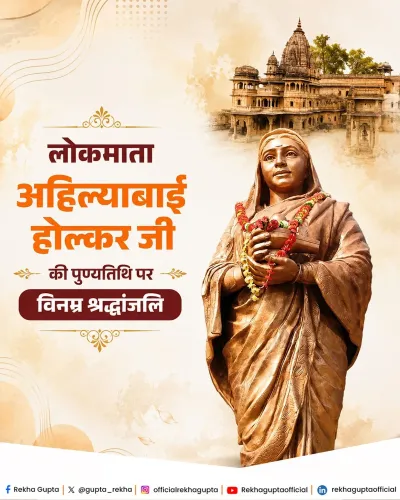
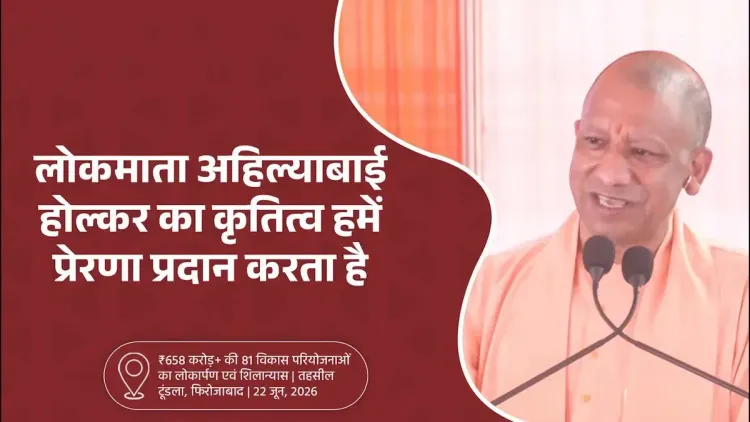
The Chief Minister's Office of Uttar Pradesh on Monday, 22 June 2026, shared a statement from Chief Minister Yogi Adityanath hailing the grand statue of Lokmata Ahilyabai Holkar in Firozabad as a landmark that is giving the district a new identity and inspiring Sanatana Dharma followers to express gratitude toward their ancestors.
Context
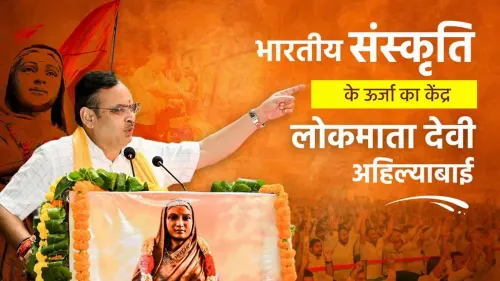
The Chief Minister's Office quoted CM Yogi Adityanath as saying: 'Lokmata Ahilyabai Holkar ki bhavya pratima Firozabad janpad ko ek nayi pahchaan pradan kar rahi hai' — 'The grand statue of Lokmata Ahilyabai Holkar is giving the district of Firozabad a new identity.' He added that the statue is also inspiring Sanatana Dharma followers to express gratitude toward their ancestors. The post was accompanied by a video, underscoring the government's effort to amplify the cultural significance of the installation.
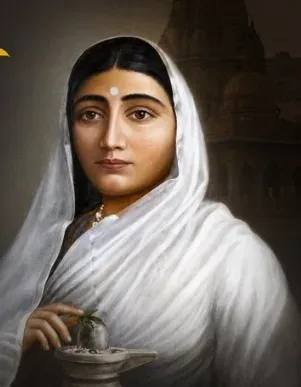
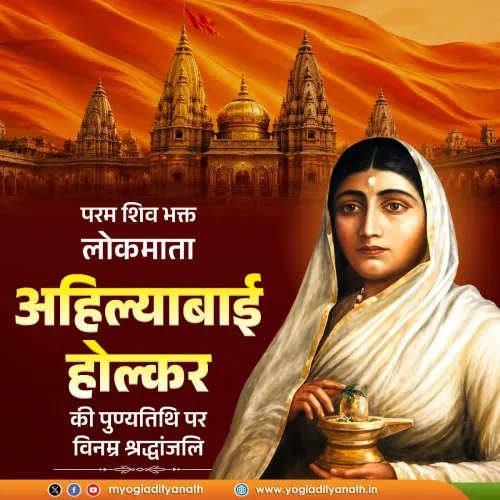
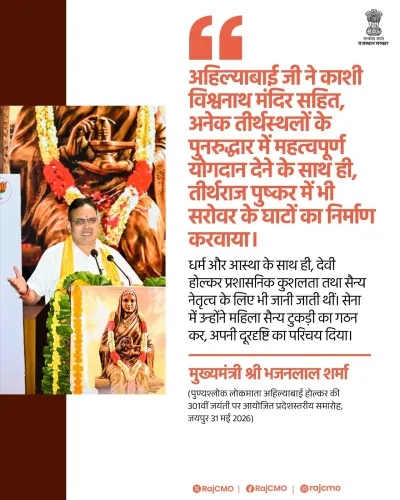
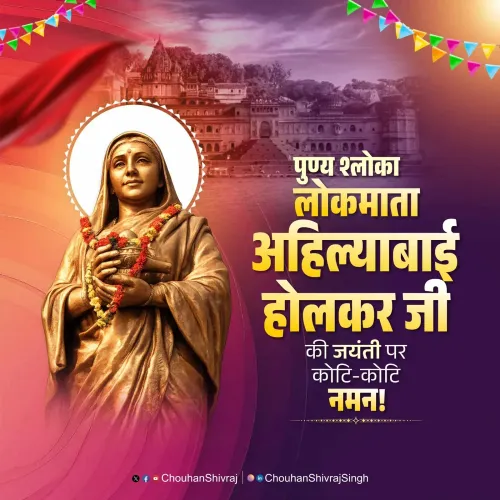
Ahilyabai Holkar (1725–1795) was the queen of the Malwa kingdom and one of India's most revered 18th-century rulers. She is celebrated for rebuilding the Kashi Vishwanath temple in Varanasi, constructing ghats, roads, and rest houses across the subcontinent, and governing with a reputation for justice and public welfare. The title 'Lokmata' — 'Mother of the People' — reflects the reverence she commands among Hindus across India.
Policy Backdrop
Since taking office in 2017, the Yogi Adityanath government has pursued a consistent policy of installing statues and memorials to pre-colonial Hindu rulers and saints at district headquarters across Uttar Pradesh. These projects are positioned both as cultural heritage initiatives and as drivers of local tourism. The approach is part of a broader pattern seen in BJP-governed states that emphasise the iconography of historical Hindu figures in public spaces.
Firozabad, traditionally known for its glass bangle manufacturing industry, has long sought diversification of its economic and cultural profile. The Ahilyabai Holkar statue is being presented by the state government as a landmark that adds a heritage dimension to the district's identity, potentially drawing domestic pilgrims and tourists.
Stakeholders and Impact
Residents of Firozabad stand to benefit from increased footfall if the statue becomes a cultural tourism destination. Devotees of Sanatana Dharma from across the region are identified in the Chief Minister's statement as a primary audience — the statue serving as a site for reflection on historical Hindu legacy. Local traders and hospitality businesses could see indirect economic benefits from a rise in visitors.
The installation also carries symbolic weight for communities that revere Ahilyabai Holkar as a symbol of just governance and religious philanthropy. Her legacy of rebuilding temples and public infrastructure during the 18th century continues to resonate strongly in North Indian cultural memory.
What's Next
The Uttar Pradesh government is expected to continue rolling out heritage-themed public spaces in smaller districts as part of its cultural tourism agenda. Observers will watch whether Firozabad receives dedicated tourism infrastructure — such as improved road connectivity, lighting, or visitor facilities around the statue site — in forthcoming state budget allocations. The Ahilyabai Holkar statue could also become a focal point for the queen's birth anniversary celebrations, further cementing its place in the district's civic calendar.
Point of View
Long defined by its bangle industry, is being repositioned as a heritage node, a pattern the UP government has replicated across several districts. The invocation of Sanatana Dharma and ancestral gratitude signals that the statue is intended not just as public art but as a site of community consolidation. Whether the installation translates into measurable tourism revenue for Firozabad will be the metric that tests the policy's practical impact.
NationPress
21 Sept 2026
Frequently Asked Questions
Who was Ahilyabai Holkar and why is she important?
Ahilyabai Holkar (1725–1795) was the queen of the Malwa kingdom, revered for rebuilding the Kashi Vishwanath temple in Varanasi, constructing ghats, roads, and rest houses across India, and ruling with a reputation for justice. She is honoured with the title 'Lokmata' — Mother of the People.
Where is the Ahilyabai Holkar statue located?
The grand statue of Lokmata Ahilyabai Holkar is located in Firozabad district, Uttar Pradesh, according to the Chief Minister's Office statement of 22 June 2026.
What did CM Yogi Adityanath say about the Firozabad statue?
CM Yogi Adityanath said the statue is giving Firozabad a new identity and inspiring Sanatana Dharma followers to express gratitude toward their ancestors, as quoted by the UP Chief Minister's Office.
What is Firozabad known for?
Firozabad is a district in Uttar Pradesh traditionally known for its glass bangle manufacturing industry. The Ahilyabai Holkar statue is now being promoted as a new cultural and heritage landmark for the district.
Is the UP government installing more such statues across the state?
Yes. Since 2017, the Yogi Adityanath government has pursued a policy of installing statues and memorials to pre-colonial Hindu rulers and saints at district headquarters across Uttar Pradesh as part of its heritage and tourism promotion drive.