CM Yogi Envisions Chitrakoot as Hub of Arms and Knowledge
Synopsis
Chief Minister Yogi Adityanath has declared Chitrakoot the future centre of both martial strength and scholarly wisdom in India, extending UP's model of pairing religious heritage with modern institutional development to the Bundelkhand region.
Key Takeaways
CM Yogi Adityanath declared that Chitrakoot will become the national centre for the pursuit of both arms ( shastra ) and sacred knowledge ( shaastra ).
The statement was shared by the official Chief Minister's Office of Uttar Pradesh on 8 July 2026 .
Chitrakoot is located in the Bundelkhand region and holds deep significance in Hindu tradition as the site of Lord Rama 's forest exile.
The vision mirrors the UP government's existing model at Ayodhya and Varanasi , where heritage significance is paired with education, connectivity, and tourism infrastructure.
Bundelkhand residents and spiritual tourists — who visit Chitrakoot in the lakhs annually — are the primary stakeholders of any development that follows.
No specific scheme, budget allocation, or timeline was announced; the statement signals policy direction ahead of future budget cycles.
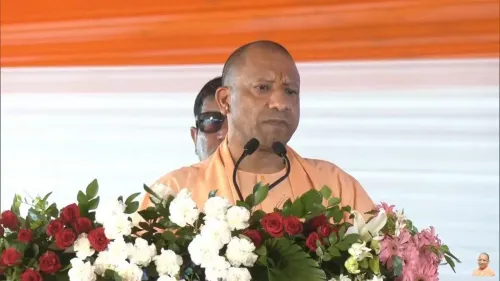
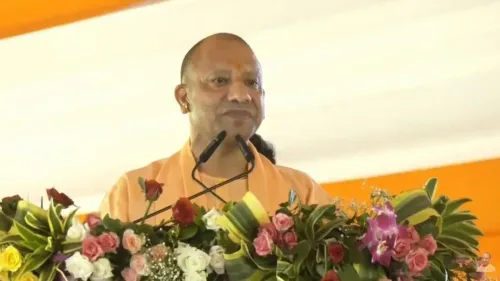
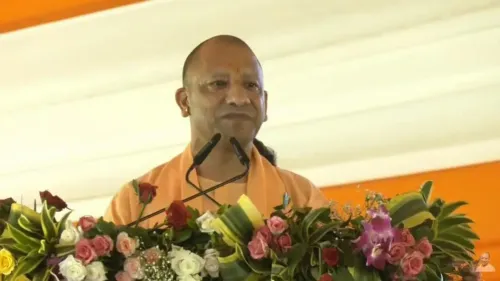
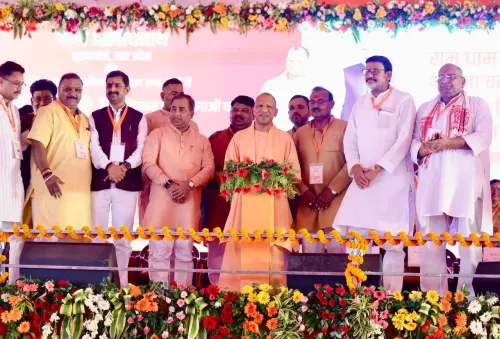
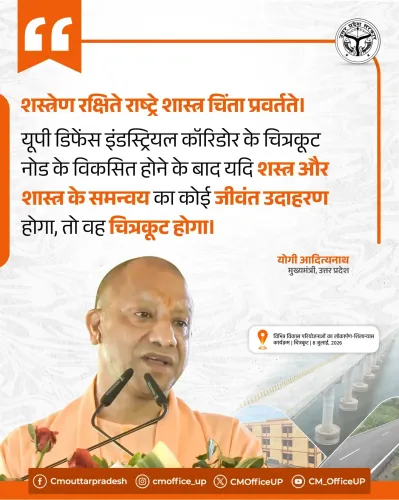
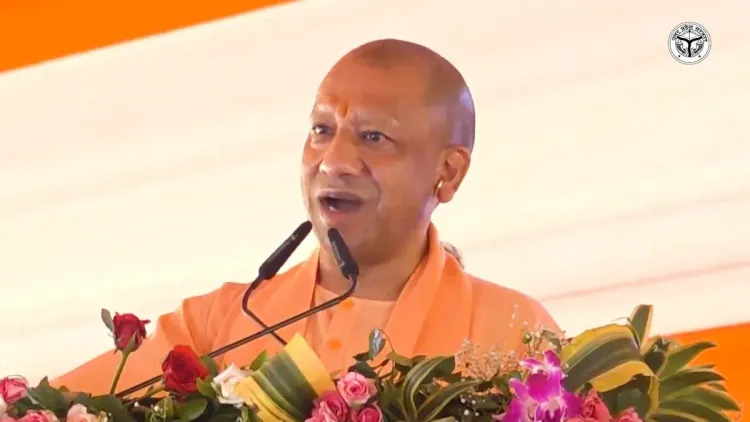
Chief Minister Yogi Adityanath, speaking through the Chief Minister's Office of Uttar Pradesh, declared on Wednesday, 8 July 2026 that Chitrakoot is destined to become the foremost centre uniting martial strength and scholarly wisdom in the country — a vision he framed in a single, pointed assertion shared via the official CMO handle.
The Chief Minister's statement in Hindi — 'Shastra aur Shaastra, dono ke sandhan ka kendra yadi koi banega, to woh Chitrakoot hoga' — translates as: 'If any place is to become the centre for the pursuit of both arms and scripture, it will be Chitrakoot.' The formulation pairs shastra (weapons or martial capability) with shaastra (sacred texts or knowledge), invoking a classical Indian ideal of balanced civilisational strength.
Context
Chitrakoot, nestled in the Bundelkhand region of Uttar Pradesh, carries deep significance in Hindu tradition as the forest retreat where Lord Rama spent a substantial portion of his fourteen-year exile. The town straddles the border of Uttar Pradesh and Madhya Pradesh and has long drawn pilgrims to sites such as Kamadgiri, Ramghat, and the Sati Anusuiya Ashram. CM Yogi Adityanath is positioning this spiritual geography as a springboard for a broader developmental identity.
Policy Backdrop
Since 2017, the Government of Uttar Pradesh has pursued a model of layering modern infrastructure — educational institutions, connectivity projects, and tourism facilities — atop the state's religious heritage sites. This approach has been applied most visibly at Ayodhya and Varanasi, where temple corridors and airport upgrades have been accompanied by university expansions and skill-development centres. Chitrakoot was included in Bundelkhand tourism and infrastructure packages following the 2017 state elections, signalling early intent to elevate the region beyond its pilgrimage economy.
The pairing of shastra and shaastra is not merely rhetorical; it echoes a classical Indian governance philosophy that prizes both defensive capability and intellectual heritage. By invoking both in a single breath and anchoring them to Chitrakoot, CM Yogi is signalling that the town's development blueprint may encompass defence-related or paramilitary training infrastructure alongside centres of traditional and modern learning.
Stakeholders and Impact
Residents of the wider Bundelkhand belt — historically among Uttar Pradesh's more economically lagging districts — stand to benefit most directly from any institutional investments that follow this vision. The region has a strong tradition of military service, with a disproportionate number of its youth enlisting in the armed forces, making the shastra dimension of the Chief Minister's statement locally resonant. Spiritual tourists, who number in the lakhs annually at Chitrakoot's ghats and temples, represent a second constituency whose footfall could grow if infrastructure improves.
The statement also carries symbolic weight for cultural and religious organisations active in Bundelkhand, who have long sought greater state recognition of the region's civilisational heritage. A formal government commitment to developing Chitrakoot as a dual hub could accelerate land-use decisions, grant allocations, and private investment in the area.
What's Next
Observers will watch the Uttar Pradesh state budget cycle and any forthcoming policy announcements for concrete allocations — whether for a defence academy, a Sanskrit or knowledge university, or expanded pilgrimage infrastructure — that give institutional form to CM Yogi's declaration. The statement, delivered without a specific scheme or timeline, is best read as a directional signal; the next test will be whether it is followed by budgetary or regulatory action in the months ahead. If Chitrakoot receives a dedicated development package, it would mark the latest chapter in the state's ongoing effort to transform its heritage towns into multi-sectoral growth engines.
Point of View
Grafting a civilisational vocabulary onto a regional development agenda. It extends a now-established UP playbook — applied at Ayodhya and Varanasi — of using cultural and religious symbolism to generate institutional momentum for lagging regions. For Bundelkhand, which has historically struggled with drought, agrarian distress, and outmigration, the framing is strategically shrewd: it appeals simultaneously to the region's martial tradition, its pilgrimage economy, and its aspirations for educational investment. The real measure of the statement's weight, however, will be the presence or absence of hard budget lines in the next state fiscal cycle.
NationPress
7 Oct 2026
Frequently Asked Questions
What did CM Yogi say about Chitrakoot?
CM Yogi Adityanath declared that Chitrakoot will become the foremost centre in India for the pursuit of both martial strength (shastra) and sacred knowledge (shaastra), positioning the Bundelkhand town as a multi-sectoral development hub.
Why is Chitrakoot important in Uttar Pradesh?
Chitrakoot holds deep significance in Hindu tradition as the site where Lord Rama spent a major part of his fourteen-year exile. It attracts lakhs of pilgrims annually and is located in the historically underserved Bundelkhand region of Uttar Pradesh.
What does 'shastra aur shaastra' mean in CM Yogi's statement?
'Shastra' refers to weapons or martial capability, while 'shaastra' refers to sacred texts and scholarly knowledge. CM Yogi used the pairing to signal a vision of Chitrakoot as a centre combining defence or military culture with centres of learning.
Has the UP government invested in Chitrakoot before?
Yes. Since 2017, the Government of Uttar Pradesh included Chitrakoot in Bundelkhand tourism and infrastructure packages. The current statement suggests a more ambitious, dual-track institutional vision for the town.
Which other UP cities have seen similar heritage-plus-development projects?
Ayodhya and Varanasi are the most prominent examples, where the UP government has paired temple corridor development and pilgrimage infrastructure with airport upgrades, university expansions, and skill-development initiatives.