CM Yogi Names Three PAC Women Battalions After 1857 Heroines
Synopsis
The Yogi Adityanath government in Uttar Pradesh has constituted three new PAC women battalions named after 1857 heroines Rani Avantibai, Jhalkari Bai, and Uda Devi, and will install equestrian statues of each within the units to inspire patriotism among new recruits.
Key Takeaways
The Uttar Pradesh government has constituted three new women battalions of the Provincial Armed Constabulary (PAC) .
The battalions are named after Veerangana Rani Avantibai , Veerangana Jhalkari Bai , and Veerangana Uda Devi — all heroines of the 1857 uprising .
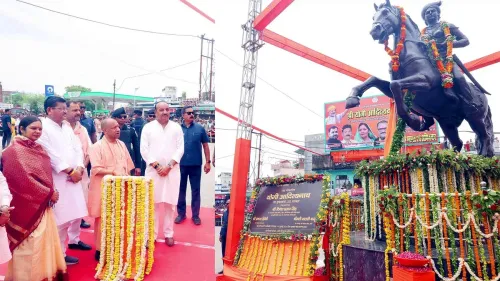
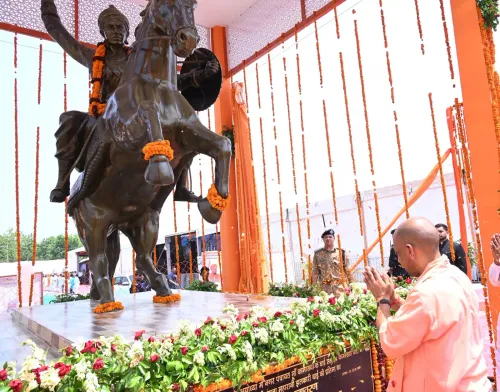
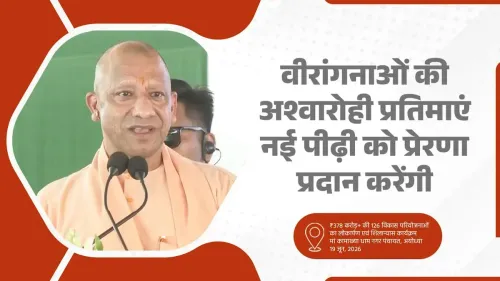
Equestrian statues of all three heroines will be installed within their respective battalions.
Jhalkari Bai belonged to the Koli community and Uda Devi to the Pasi community , both significant OBC and Dalit groups in Uttar Pradesh .
The move continues the state government's policy since 2017 of expanding women's presence in uniformed forces and commemorating 1857-era regional heroes.
Recruitment notifications and statue installation timelines are yet to be formally announced.
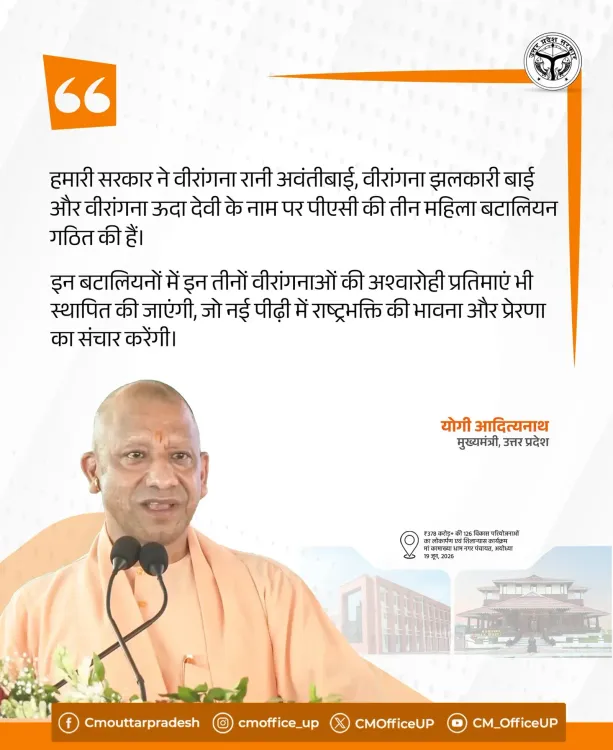
The Chief Minister's Office of Uttar Pradesh announced on Friday, 19 June 2026, that the Yogi Adityanath government has constituted three new women battalions of the Provincial Armed Constabulary (PAC), named after three heroines of the 1857 uprising — Veerangana Rani Avantibai, Veerangana Jhalkari Bai, and Veerangana Uda Devi.
Context
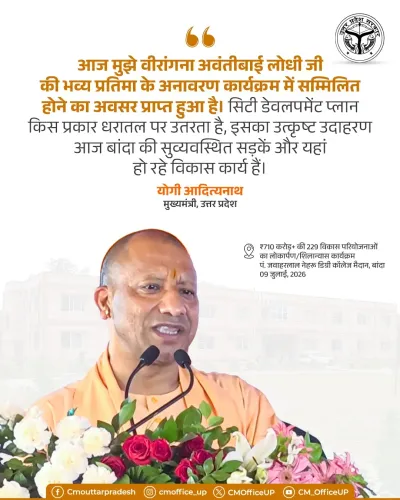
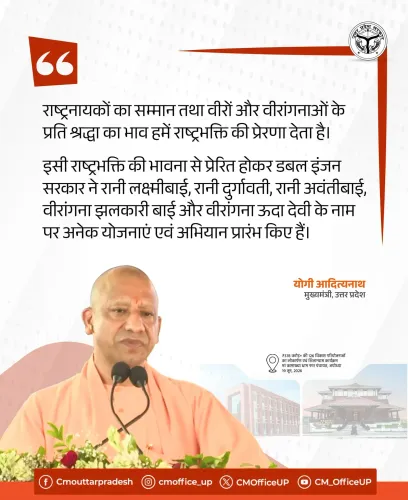
Quoting Chief Minister Yogi Adityanath directly, the post states: 'हमारी सरकार ने वीरांगना रानी अवंतीबाई, वीरांगना झलकारी बाई और वीरांगना ऊदा देवी के नाम पर पीएसी की तीन महिला बटालियन गठित की हैं' ('Our government has constituted three women battalions of the PAC in the names of Veerangana Rani Avantibai, Veerangana Jhalkari Bai, and Veerangana Uda Devi'). The announcement also states that equestrian statues of all three heroines will be installed within these battalions to inspire patriotism in the new generation.
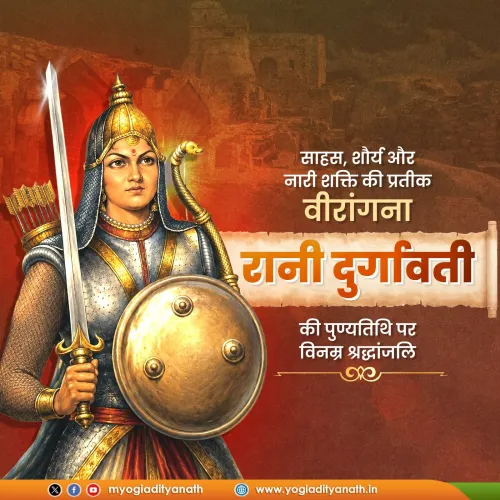
Rani Avantibai was the Queen of Ramgarh who led an armed revolt against British forces in 1857 and died in battle rather than surrender. Jhalkari Bai, from the Koli community, fought alongside Rani Lakshmibai during the siege of Jhansi and became a celebrated folk icon. Uda Devi, from the Pasi community, commanded troops against British forces in Lucknow during the same uprising.
Policy Backdrop
The PAC, or Uttar Pradesh Provincial Armed Constabulary, is the state's primary armed police force responsible for internal security. Since 2017, the Yogi Adityanath government has progressively expanded the recruitment of women into state police and PAC ranks as part of a broader force modernisation drive.
The decision to name the battalions after figures from OBC and Dalit communities — Jhalkari Bai from the Koli community and Uda Devi from the Pasi community — is consistent with a pattern of commemorating 1857-era regional heroes drawn from marginalised communities. Similar naming and memorial initiatives have been undertaken for other historical figures in police and paramilitary units across Uttar Pradesh since 2017.
Stakeholders and Impact
The most direct beneficiaries of the announcement are women recruits and serving personnel within the PAC, who will serve in units bearing the names of warrior figures. The equestrian statues to be installed within each battalion are intended, in the government's own framing, to 'instil a sense of patriotism and inspiration in the new generation' ('नई पीढ़ी में राष्ट्रभक्ति की भावना और प्रेरणा का संचार करेंगी').
The move carries symbolic weight for communities that claim descent from or cultural affinity with these heroines — particularly the Koli and Pasi communities of Uttar Pradesh, both of which are politically significant constituencies in the state. Naming institutional units after such figures is a form of state recognition that goes beyond ceremonial tribute.
What's Next
Observers will watch for formal recruitment notifications and training schedules for the three new battalions, which will clarify sanctioned strength and operational timelines. The installation schedule and designated PAC locations for the equestrian statues of Rani Avantibai, Jhalkari Bai, and Uda Devi are also yet to be announced publicly.
If recruitment follows, the battalions will add to the growing share of women in Uttar Pradesh's uniformed forces — a metric the state government has highlighted as a marker of police reform. The combination of institutional expansion and historical commemoration is likely to feature prominently in the ruling party's outreach to women voters and OBC and Dalit communities ahead of future electoral cycles.
Point of View
The move fits a broader BJP-governed-state pattern of using police and paramilitary naming rights as a soft instrument of social outreach, particularly ahead of electoral cycles.
NationPress
19 Sept 2026
Frequently Asked Questions
Which three women battalions has the UP government formed in the PAC?
The Uttar Pradesh government has constituted three PAC women battalions named after Veerangana Rani Avantibai, Veerangana Jhalkari Bai, and Veerangana Uda Devi, all heroines of the 1857 uprising.
Who was Jhalkari Bai and why is she significant?
Jhalkari Bai was a warrior from the Koli community who fought alongside Rani Lakshmibai during the 1857 siege of Jhansi. She is a celebrated folk icon and her community is a politically significant constituency in Uttar Pradesh.
What is the PAC in Uttar Pradesh?
The PAC, or Provincial Armed Constabulary, is Uttar Pradesh's primary armed police force responsible for internal security and law-and-order duties across the state.
Will statues be installed in the new PAC women battalions?
Yes, the UP government has announced that equestrian statues of Rani Avantibai, Jhalkari Bai, and Uda Devi will be installed within their respective battalions to inspire patriotism in new recruits.