CM Yogi Launches Campaigns in Name of 1857 Women Warriors
Synopsis
The Uttar Pradesh government has launched multiple campaigns named after three women warriors of the 1857 revolt — Rani Avantibai Lodhi, Jhalkari Bai, and Uda Devi — representing the Lodhi, Kori, and Pasi communities respectively, as announced by Chief Minister Yogi Adityanath on 19 June 2026.
Key Takeaways
The Uttar Pradesh government has launched campaigns named after three women fighters of the 1857 revolt : Rani Avantibai Lodhi , Jhalkari Bai , and Uda Devi .
Rani Avantibai Lodhi was a queen of Ramgarh from the Lodhi OBC community who led armed resistance against the British.
Jhalkari Bai was a Kori (Dalit) community warrior who fought alongside Rani Lakshmibai at Jhansi .
Uda Devi was a Pasi community fighter who led a women's battalion during the 1857 defence of Lucknow .
The initiative extends a pattern of OBC and SC community outreach through historical commemoration that the Yogi Adityanath government has pursued since 2017 .
Specific campaign details — scope, budget, and timelines — have not yet been made public.
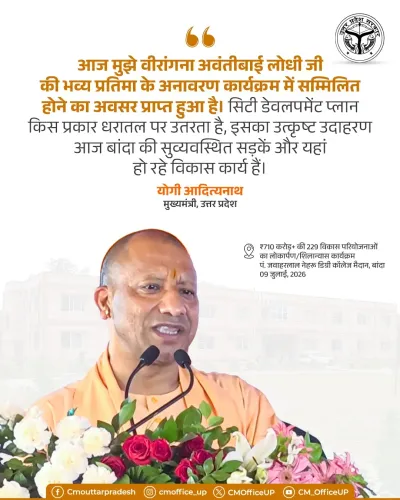
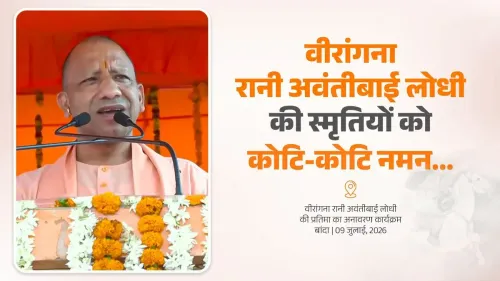
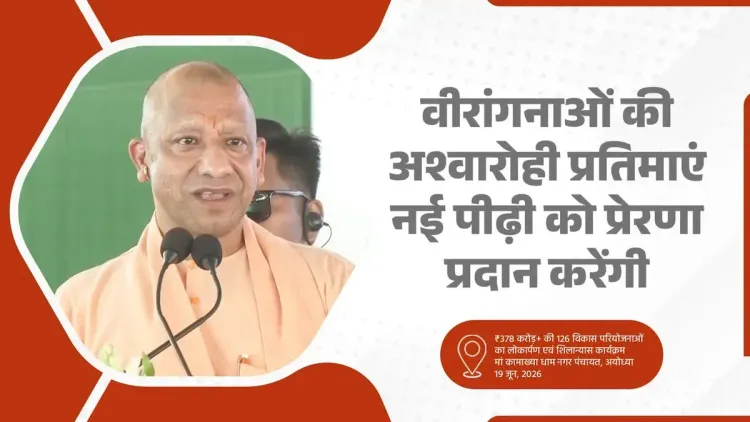
The Chief Minister's Office of Uttar Pradesh announced on Friday, 19 June 2026 that the state government has launched multiple campaigns named after three women freedom fighters of the 1857 revolt — Veerangana Rani Avantibai Lodhi, Veerangana Jhalkari Bai, and Veerangana Uda Devi — attributing the initiative to Chief Minister Yogi Adityanath.
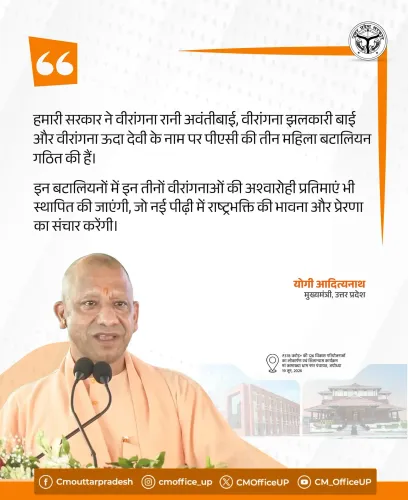
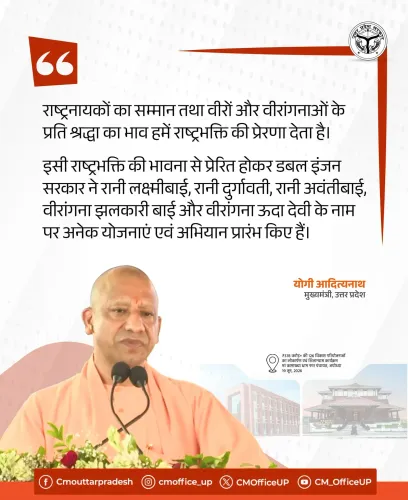
The post, shared from the official CMO account, quoted CM Yogi Adityanath as saying: 'प्रदेश सरकार ने वीरांगना रानी अवंतीबाई लोधी, वीरांगना झलकारी बाई और वीरांगना ऊदा देवी के नाम पर अनेक अभियान प्रारंभ किए हैं' ('The state government has launched many campaigns in the names of Veerangana Rani Avantibai Lodhi, Veerangana Jhalkari Bai, and Veerangana Uda Devi').
Context
Rani Avantibai Lodhi was the 19th-century queen of Ramgarh who led armed resistance against British forces during the 1857 uprising and is venerated as a pioneering woman rebel from the Lodhi community. Jhalkari Bai, from the Kori (Dalit) community, fought alongside Rani Lakshmibai at Jhansi and has since been elevated as a symbol of Dalit valour in the revolt. Uda Devi, from the Pasi community, is remembered for leading a women's battalion during the 1857 defence of Lucknow against British troops.
Policy Backdrop
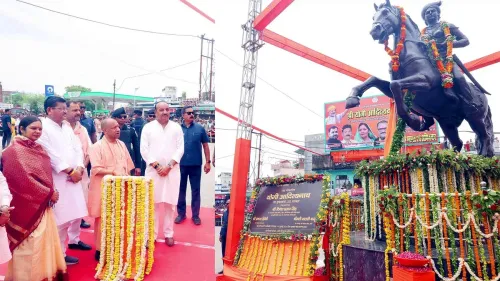
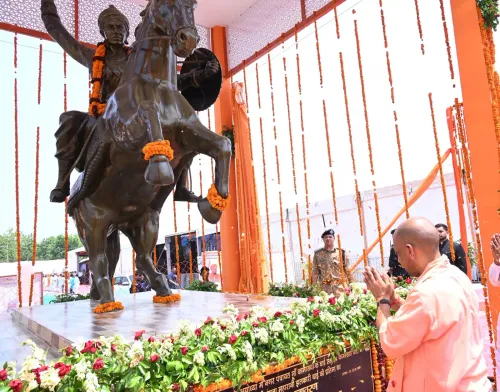
Since assuming office in 2017, the Yogi Adityanath government has systematically worked to foreground women warriors from OBC and Scheduled Caste communities in official state narratives around the 1857 revolt. Initiatives during this period have included the installation of statues and the organisation of commemorative events honouring fighters such as Jhalkari Bai and Uda Devi in various districts across Uttar Pradesh. The current announcement of named campaigns extends that pattern into a more programmatic form.
This approach fits within a broader framework of cultural nationalism that seeks to broaden the state administration's social outreach by celebrating indigenous martial traditions linked to communities that form a significant part of Uttar Pradesh's social fabric. Comparable exercises have included district renamings and memorial constructions across the Hindi heartland.
Stakeholders and Impact
The campaigns are most directly relevant to OBC women and Scheduled Caste communities in Uttar Pradesh, whose historical figures are being centred in official state programming. By attaching government schemes to the names of Rani Avantibai Lodhi (Lodhi OBC community), Jhalkari Bai (Kori Dalit community), and Uda Devi (Pasi community), the administration signals recognition of distinct caste lineages within the broader freedom struggle narrative. Advocates for these communities have long sought greater official acknowledgement of their ancestors' contributions to 1857.
What's Next
The announcement raises the prospect of these campaigns being integrated into school curricula or converging with existing women-centric welfare programmes administered by the Government of Uttar Pradesh. With state assembly elections on the horizon, the visibility and reach of programmes bearing the names of these three fighters will be closely watched by political observers and community leaders alike. The specific scope, scale, and timelines of the named campaigns have not yet been detailed in official communications.
Point of View
Kori, and Pasi communities — all numerically significant groups in Uttar Pradesh — the administration simultaneously performs historical justice and political outreach ahead of the next assembly cycle. This approach of attaching programme identity to community icons has proven durable across the BJP's Hindi-heartland governance model, extending from statue installations to now named campaigns. The durability of the strategy will ultimately depend on whether the campaigns deliver tangible programmatic benefits or remain primarily symbolic.
NationPress
21 Sept 2026
Frequently Asked Questions
Who are Rani Avantibai Lodhi, Jhalkari Bai, and Uda Devi?
All three were women fighters in the 1857 revolt against British rule . Rani Avantibai Lodhi was the queen of Ramgarh who led armed resistance from the Lodhi community; Jhalkari Bai was a Kori (Dalit) warrior who fought at Jhansi alongside Rani Lakshmibai; and Uda Devi was a Pasi community fighter who defended Lucknow during the 1857 uprising.
What campaigns has the UP government launched in their names?
The Uttar Pradesh government has announced multiple campaigns named after these three women warriors, as stated by CM Yogi Adityanath on 19 June 2026 . Specific details about the scope and nature of the campaigns have not yet been officially disclosed.
Why is the Yogi government honouring these particular women fighters?
Rani Avantibai Lodhi , Jhalkari Bai , and Uda Devi represent the Lodhi, Kori, and Pasi communities respectively — all significant OBC and Scheduled Caste groups in Uttar Pradesh . The government has since 2017 pursued a policy of foregrounding such figures in official narratives to recognise their communities' contributions to India's freedom struggle.
When did the Yogi government begin these kinds of commemorative initiatives?
The Yogi Adityanath government began installing statues and organising commemorative events for 1857 women fighters, including Jhalkari Bai and Uda Devi , after assuming office in 2017 . The latest announcement of named campaigns represents a continuation and expansion of that effort.
What is the significance of the 1857 revolt in Uttar Pradesh?
The 1857 revolt , often called India's first war of independence, saw major battles and resistance movements across present-day Uttar Pradesh , including at Lucknow and Jhansi . The state has been at the centre of efforts to recover and officially honour contributions from communities whose role was historically underrepresented in mainstream accounts of the uprising.