Alibaba Cloud opens first France data centres in Europe push

Synopsis
Alibaba Cloud opened its first data centres in France on June 17, 2026 — its third European hub — as the European Commission's newly published tech sovereignty package explicitly flags limited cloud capacity as a threat to the bloc's digital future.
Key Takeaways
Alibaba Cloud launched its first data centres in France on Wednesday, June 17, 2026 , expanding its European footprint to three hubs.
The Paris facilities join existing Alibaba Cloud hubs in Germany and Britain .
The European Commission published its tech sovereignty package on June 3, 2026 , identifying "limited data centre capacity" as a significant threat to the bloc's digital transformation.
Feifei Li , Alibaba Cloud 's CTO and president of international business , said the expansion aims to deliver "sovereign, secure, and intelligent solutions" to European businesses.
Alibaba Cloud plans to launch agentic AI services across Europe in the second half of 2026 , leveraging the new infrastructure.
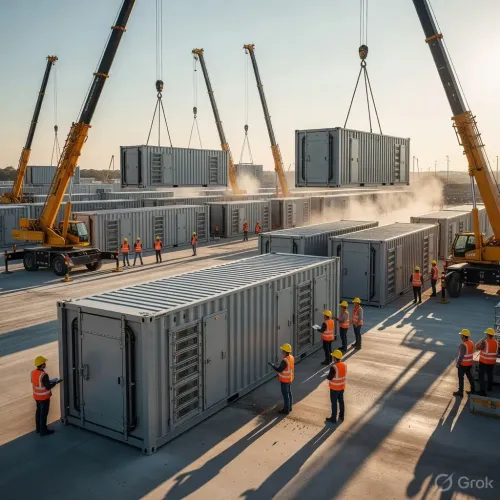
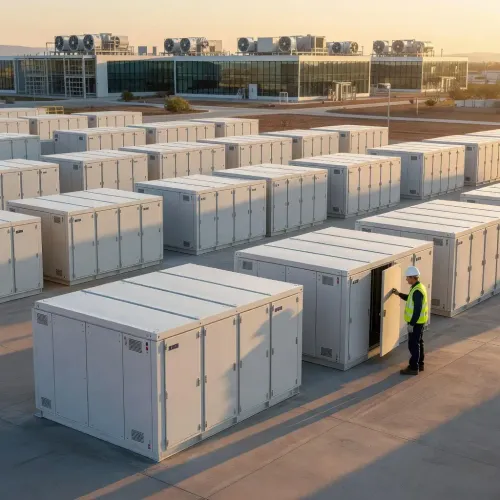
Alibaba Cloud launched its first data centres in France on Wednesday, June 17, 2026, marking the Chinese tech giant's third European hub as it races to capture demand for locally hosted cloud services driven by the continent's data sovereignty movement. The new Paris facilities follow existing hubs in Germany and Britain, and are designed to serve European businesses seeking compliant, regionally anchored infrastructure.
Why it matters
The launch arrives at a pivotal regulatory moment. The European Commission published its tech sovereignty package on June 3, 2026, explicitly aiming to make the bloc "a global leader" in artificial intelligence and protect its "digital independence." The bloc's Cloud and AI Development Act flagged "limited data centre capacity" as a significant threat to Europe's ability to benefit from digital transformation — a gap Alibaba Cloud is now positioning itself to fill.
The announcement
Feifei Li, Alibaba Cloud's chief technology officer and president of international business, said in a statement: "The expansion of our cloud infrastructure into France reinforces our ongoing commitment to empowering European businesses with sovereign, secure, and intelligent solutions." The company, the cloud computing arm of Alibaba Group Holding, attributed the move to increasing demand from customers across the region.
What's next
Alibaba Cloud plans to roll out a suite of agentic AI services across Europe in the second half of 2026, using the expanded infrastructure as its regional backbone. The Paris hub is expected to be central to those deployments, giving European enterprise clients low-latency access to the company's AI stack without routing data outside the continent.
The competitive backdrop
Alibaba Cloud enters France as hyperscalers including Amazon Web Services, Microsoft Azure, and Google Cloud are also racing to expand European capacity in response to the same sovereignty pressures. European regulators have grown increasingly wary of dependence on US-headquartered cloud providers, creating an opening for alternative vendors — though Alibaba Cloud's Chinese ownership may itself attract regulatory scrutiny from some member states. How European customers and policymakers respond to a Chinese-owned sovereign cloud alternative will be one of the defining tests of the company's international expansion strategy.
Point of View
But Brussels may not have intended to welcome Beijing-linked infrastructure into its sovereign stack. The timing — two weeks after the tech sovereignty package dropped — suggests Alibaba is moving fast to be seen as a solution rather than a threat. Watch for member-state-level pushback, particularly from governments already scrutinising Chinese technology in critical infrastructure.
NationPress
16 Sept 2026
Frequently Asked Questions
What did Alibaba Cloud launch in France?
Alibaba Cloud launched its first data centres in France on June 17, 2026 , establishing Paris as its third European hub after Germany and Britain . The facilities are designed to support European businesses requiring locally hosted, sovereign cloud services.
Why is Alibaba Cloud expanding into Europe now?
Alibaba Cloud cited growing customer demand for locally hosted infrastructure across Europe . The expansion aligns with the European Commission 's tech sovereignty package, published on June 3, 2026 , which identified limited data centre capacity as a threat to the bloc's digital independence.
What AI services will Alibaba Cloud offer in Europe?
Alibaba Cloud plans to roll out a suite of agentic AI services across Europe in the second half of 2026 . The new Paris data centres are expected to serve as the regional infrastructure backbone for these deployments.
Who is leading Alibaba Cloud's international expansion?
Feifei Li , Alibaba Cloud 's chief technology officer and president of international business , is leading the push. She stated the France launch reinforces the company's commitment to providing 'sovereign, secure, and intelligent solutions' to European customers.
How does Alibaba Cloud compare to AWS, Azure, and Google Cloud in Europe?
Alibaba Cloud is a smaller player in Europe compared to Amazon Web Services , Microsoft Azure , and Google Cloud , all of which have extensive regional infrastructure. However, European data sovereignty regulations are creating openings for alternative providers, and Alibaba Cloud 's three-hub European network positions it to compete for compliance-sensitive workloads.