Is Antimicrobial Resistance a Present Reality Rather Than a Future Threat?

Synopsis
Antimicrobial Resistance (AMR) is not just a looming threat for the future; it is a serious challenge we face today, particularly in India. With millions affected and alarming resistance patterns emerging, experts stress the urgency of addressing this global health crisis.
Key Takeaways
AMR is a pressing global health crisis.
India has one of the highest rates of antibiotic resistance.
Common infections are becoming increasingly difficult to treat.
Government action is crucial in combating AMR.
Public awareness and responsible antibiotic use are key.
New Delhi, Dec 8 (NationPress) Antimicrobial Resistance (AMR) is not merely a looming threat for the future; it is a pressing reality impacting millions globally, especially in India, stated Florian von Groote, Head of Clinical Research at the Wellcome Trust Infectious Disease Clinical Research Team, UK, on Monday.
In an interview with IANS, von Groote, a specialist in infectious diseases, emphasized that AMR ranks among the most significant global health challenges, leading to countless infections and fatalities every year. With its vast population, significant burden of infectious diseases, and prevalent use of antibiotics, India remains disproportionately affected.
“AMR is no longer confined to hospitals; it now influences everyday healthcare in India. These trends showcase rampant antibiotic misuse, deficiencies in infection control, and inadequate surveillance across various regions of the country. AMR is not a distant threat; it is a current reality in India,” he remarked.
India continues to grapple with some of the highest levels of bacterial infections worldwide.
A recent report from the World Health Organization (WHO) indicated that approximately one in three bacterial infections in India were resistant to commonly prescribed antibiotics in 2023, compared to one in six globally.
National AMR surveillance data also reveal alarming resistance patterns in pathogens such as E. coli, Klebsiella pneumoniae, Staphylococcus aureus, and Acinetobacter baumannii.
A recent study published in the Lancet eClinical Medicine journal cautioned that India is at the center of a superbug crisis, as numerous patients in the nation were found to harbor multiple highly resistant organisms at once.
It discovered that over 80 percent of Indian patients carry multidrug-resistant organisms (MDROs)—the highest rate globally.
von Groote noted that awareness of AMR is increasing as common infections become more challenging to treat, antibiotics fail, and the economic repercussions become impossible to overlook.
“Resistance levels against certain essential antibiotics are alarmingly high. Treatment options are dwindling, as many first-line and even last-line antimicrobials are losing their effectiveness, transforming previously manageable infections into difficult or impossible cases,” von Groote informed IANS.
“India bears one of the world's heaviest burdens of antimicrobial resistance. In 2019, the country recorded approximately 267,000 deaths directly attributed to drug-resistant infections, positioning it among the top contributors to global AMR fatalities,” the infectious disease expert noted, referencing data from collaborative research involving Oxford University, UK, and the University of Washington, US.
While the latest data from the ICMR suggest a modest improvement in E. coli susceptibility to ceftazidime (from 19.2 percent in 2023 to 27.5 percent in 2024), the rising resistance to carbapenems and colistin remains a significant concern, signaling a decline in treatment options available in the nation.
“In comparison to other populous nations in Asia and Africa, India remains a crucial hotspot... due to its sheer size, high infection load, and extensive misuse of antibiotics,” von Groote stated.
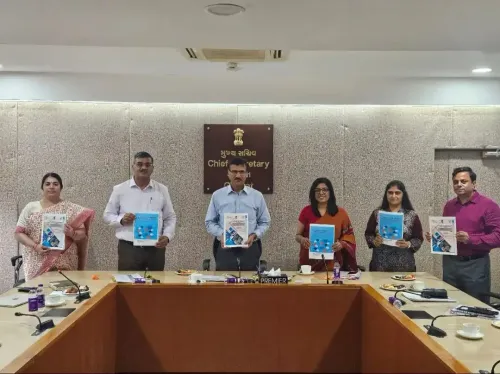
In a bid to combat antibiotic resistance, the Ministry of Health and Family Welfare has launched the second iteration of the National Action Plan on Antimicrobial Resistance (2025-29), incorporating key strategies to address the gaps identified in the first plan.
The NAP-AMR 2.0 aims to enhance ownership of AMR-related initiatives, bolster intersectoral cooperation, and promote stronger engagement with the private sector through a One Health approach.
Meanwhile, von Groote advocated for the rational and responsible use of antibiotics, improved surveillance across humans, animals, and the environment, and a concerted effort to develop innovative drugs, vaccines, and diagnostics.
The expert also highlighted simple practices such as hand hygiene and other infection control measures to minimize the reliance on antibiotics.
Point of View
It is crucial to highlight the grave situation surrounding Antimicrobial Resistance in India. The expert insights provided by Florian von Groote shed light on a pressing health crisis that requires collective action from all sectors of society. Our goal is to inform and engage readers on this significant issue, promoting awareness and proactive measures to combat AMR effectively.
NationPress
19 Sept 2026
Frequently Asked Questions
What is Antimicrobial Resistance?
Antimicrobial Resistance (AMR) occurs when microorganisms such as bacteria, viruses, fungi, and parasites evolve and no longer respond to medications that once effectively treated them.
Why is AMR a concern in India?
India faces a high burden of infectious diseases and widespread misuse of antibiotics, leading to alarming levels of AMR that threaten public health.
How does AMR impact treatment options?
AMR makes common infections harder to treat, as antibiotics become ineffective, resulting in previously manageable cases becoming severe or even life-threatening.
What measures can be taken to combat AMR?
Measures include responsible use of antibiotics, improved surveillance, and the development of new drugs, vaccines, and diagnostics, along with better hygiene practices.
What is the role of the government in addressing AMR?
The Indian government has launched the National Action Plan on Antimicrobial Resistance to enhance coordination and implement strategies to combat AMR effectively.