Can Antimicrobial Peptides Combat Salmonella and E. coli?
Synopsis
Recent research uncovers the potential of antimicrobial peptides to effectively combat Salmonella and E. coli, addressing the pressing issue of antimicrobial resistance. This breakthrough offers a promising alternative to conventional antibiotics, paving the way for enhanced food safety and public health protection.
Key Takeaways
Antimicrobial peptides can effectively fight Salmonella and E. coli .
They provide an alternative to traditional antibiotics.
The peptides can improve food safety and public health.
Research continues to optimize their application in poultry.
They show promise in combating antimicrobial resistance (AMR) .
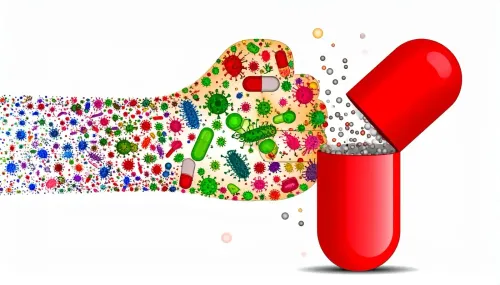
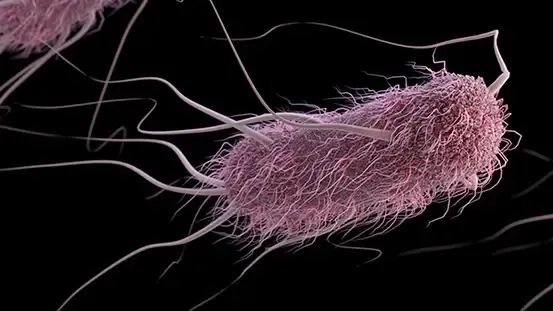
New Delhi, Nov 5 (NationPress) Antimicrobial peptides have demonstrated their ability to manage pathogens such as Salmonella and E. coli, which are significant contributors to foodborne illnesses. These peptides present a promising alternative to traditional antibiotics, aiding in the fight against the rising threat of antimicrobial resistance (AMR).
These short chains of amino acids possess the capacity to eliminate dangerous bacteria without leading to antibiotic resistance.
The research indicates that antimicrobial peptides can enhance food safety and safeguard public health while reducing reliance on antibiotics.
“Antimicrobial peptides have the potential to be alternatives to antibiotics and thereby could mitigate antibiotic resistance,” explained Gireesh Rajashekara, Professor at the College of Veterinary Medicine, University of Illinois Urbana-Champaign.
“These peptides not only can kill Salmonella but also other related bacterial pathogens such as E. coli, making them vital for controlling a wide range of pathogens,” he added.
The research aimed to pinpoint alternatives to antibiotics for managing Salmonella in chickens.
Salmonella is a leading cause of foodborne illnesses in the U.S., with chickens and chicken products (eggs and meat) identified as primary sources of Salmonella infection in humans.
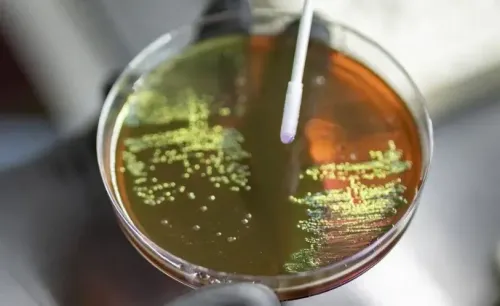
In the latest study published in the journal Microbiology Spectrum, researchers discovered a set of antimicrobial peptides capable of killing various types of Salmonella in laboratory settings and later confirmed their effectiveness in chickens.
The antibacterial properties of these peptides are likely due to their action on Salmonella membranes. The team noted that the peptides maintain their efficacy when exposed to heat and protease treatments, essential traits for antimicrobial applications in the poultry sector.
“We identified two antimicrobial peptides that effectively kill numerous types of Salmonella and significantly reduce Salmonella loads in chickens,” Rajashekara stated.
The next steps for the researchers involve conducting large-scale tests of these peptides in chickens, optimizing their delivery through water and/or feed, gaining deeper insights into their mechanism of action against Salmonella, and exploring additional peptides for their anti-Salmonella properties.
Point of View
It is critical to recognize the urgency of addressing antimicrobial resistance. The emergence of alternatives, such as antimicrobial peptides, signifies a pivotal shift in our approach to public health, promising safer food supply chains and enhanced wellbeing for all citizens.
NationPress
30 Sept 2026
Frequently Asked Questions
What are antimicrobial peptides?
Antimicrobial peptides are short chains of amino acids that can kill harmful bacteria without leading to antibiotic resistance.
How do antimicrobial peptides work?
They target the membranes of bacteria, disrupting their functions and leading to cell death.
Why are antimicrobial peptides important?
They offer a promising alternative to antibiotics in combatting resistant bacterial strains, thus enhancing food safety and public health.
Where was the study published?
The findings were published in the journal Microbiology Spectrum .
What pathogens can antimicrobial peptides combat?
They can effectively combat pathogens such as Salmonella and E. coli , which are major contributors to foodborne diseases.