Yerba mate exports from Argentina to China surge 88% since 2021
Synopsis
Argentina's yerba mate exports to China have surged 88% since 2021, with 214,000 kg shipped in Q1 2026 alone — but producers warn Chinese consumers may not be drinking the traditional brew the right way.
Key Takeaways
Argentina 's yerba mate exports to China grew 88 per cent between 2021 and 2026 , according to Argentina's National Institute of Statistics and Census .
In Q1 2026 , Argentina exported approximately 214,000 kg (471,789 lbs) of yerba mate to China .
Producer Juan Luis Lorenzo said exports from his cooperative 'doubled since last year.' Lionel Messi 's public association with the drink has been a key driver of its global popularity and health-focused image.
Concerns have been raised that Chinese consumers are not preparing or drinking yerba mate in the traditional South American manner.
Yerba mate is derived from Ilex paraguariensis , a plant with deep roots in Guaraní culture across Argentina , Paraguay , Brazil , and Uruguay .
Argentina's yerba mate exports to China have risen 88 per cent since 2021, as the traditional South American herbal drink — derived from the plant Ilex paraguariensis — finds a fast-growing consumer base in the world's most populous market, according to Argentina's National Institute of Statistics and Census.
Export volumes hit new highs
In the first quarter of 2026 alone, Argentina shipped approximately 214,000 kg (471,789 lbs) of yerba mate to China. Juan Luis Lorenzo, a local producer directly involved in exports to China, said exports from his cooperative have 'doubled since last year,' reflecting a broader acceleration in demand.
The figures underscore how a drink once confined to the Rio de la Plata region — spanning Argentina, Uruguay, and Brazil — is rapidly crossing cultural and geographic boundaries.
Why it matters: The Messi effect
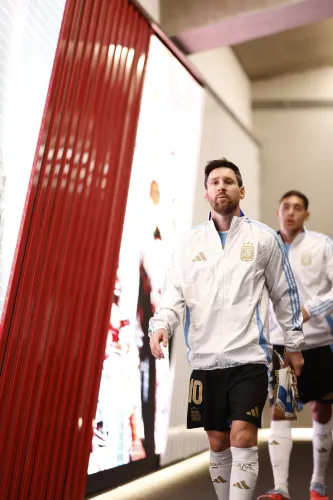
Much of yerba mate's global visibility is credited to high-profile athletes. World Cup-winning footballer Lionel Messi is frequently photographed carrying a traditional mate gourd, lending the beverage an aspirational association with elite athletic performance. Sportspeople more broadly have helped position the drink as a symbol of health, energy, and well-being.
In China, where wellness beverages and functional drinks command a premium and a rapidly expanding consumer segment, this image has proven commercially potent.
How Chinese consumers are drinking it
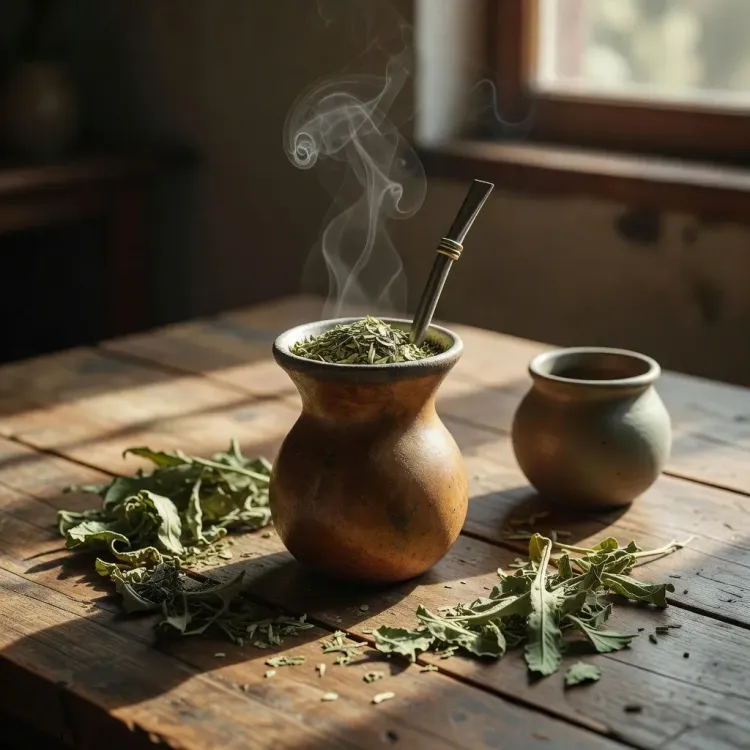
Despite the enthusiasm, there are concerns that the traditional preparation and consumption method — sipping hot infused leaves through a metal straw called a bombilla from a shared gourd — is not being fully replicated in China. Producers and cultural observers have noted that the drink is often consumed in ways that differ significantly from its South American origins, raising questions about whether consumers are experiencing its full cultural and health context.
Yerba mate, derived from the Ilex paraguariensis plant native to the subtropical forests of Argentina, Paraguay, Brazil, and Uruguay, has been consumed by the Guaraní people for centuries and carries deep cultural significance across the region.
The competitive backdrop
The surge in yerba mate's popularity in China arrives as global functional beverage markets intensify competition. Traditional tea producers, energy drink brands, and wellness supplement companies are all vying for the same health-conscious Chinese consumer. Yerba mate's natural caffeine content, antioxidant profile, and celebrity association give it a differentiated pitch.
According to reports, Argentina's National Institute of Yerba Mate and the broader industry are actively working to expand international market education efforts, particularly in Asia.
What's next
With Q1 2026 export volumes already substantial, producers and trade bodies will be watching whether China sustains its appetite through the rest of the year — and whether consumer education initiatives can bridge the gap between imported product volumes and authentic preparation practices. How China's regulatory environment for herbal and functional beverages evolves will also shape the drink's long-term market trajectory.
Point of View
Which matters for both repeat purchase rates and long-term brand positioning. If Chinese consumers experience a diluted or incorrect version of yerba mate and do not get the expected functional benefits, the hype cycle could plateau quickly. The deeper structural question is whether Argentina's export infrastructure and trade bodies can move fast enough to deliver both product and cultural education at scale into a market as complex and competitive as China's.
NationPress
19 Sept 2026
Frequently Asked Questions
How much yerba mate does Argentina export to China?
Argentina exported approximately 214,000 kg of yerba mate to China in the first quarter of 2026 alone. Overall exports from Argentina to China have increased by 88 per cent since 2021, according to Argentina's National Institute of Statistics and Census.
Why is yerba mate becoming popular in China?
Yerba mate's growing popularity in China is largely attributed to high-profile athletes such as World Cup-winning footballer Lionel Messi, who is frequently seen carrying a mate gourd. The drink has become associated with health, energy, and athletic performance — attributes that resonate strongly with China's expanding wellness consumer segment.
What is yerba mate and where does it come from?
Yerba mate is a herbal drink made from the dried leaves of Ilex paraguariensis, a plant native to the subtropical forests of Argentina, Paraguay, Brazil, and Uruguay. It has been consumed by the Guaraní people for centuries and is a cultural staple across the South American region.
Are Chinese consumers drinking yerba mate correctly?
Concerns have been raised that Chinese consumers are not replicating the traditional South American preparation method, which involves sipping a hot infusion through a metal straw called a bombilla from a shared gourd. Producers suggest the drink is often consumed in ways that diverge from its cultural origins, potentially affecting the full experience of its benefits.
Who is Juan Luis Lorenzo and what role does he play in yerba mate exports?
Juan Luis Lorenzo is an Argentine producer directly involved in exporting yerba mate to China. He stated that exports from his cooperative have 'doubled since last year,' making his operation a representative example of the broader national export surge tracked by official statistics.