Beijing summons Alibaba, JD.com, Pinduoduo over 618 price-war tactics
Synopsis
Beijing's market regulator summoned Alibaba, JD.com, Pinduoduo, Douyin, and RedNote on 11 June 2026 over deceptive 'billion-yuan subsidy' ads during the 618 festival — the second such intervention in a month — signalling real-time enforcement against involution-style price wars.
Key Takeaways
The Beijing Municipal Bureau of Market Supervision and Administration summoned five major platforms on 11 June 2026 during the 618 shopping festival.
Platforms cited include Alibaba's Taobao and Tmall , JD.com , Pinduoduo , Douyin , and RedNote .
Key violation: 'billion-yuan subsidy' advertising campaigns where actual spending fell short of advertised amounts.
Additional breaches included inadequate disclosure of promotional rules and improper display of merchant information.
This follows a similar regulator warning issued the previous month targeting more than a dozen internet platforms over 618 -related tactics.
All named companies were ordered to rectify violations; no fines or specific deadlines were publicly announced.
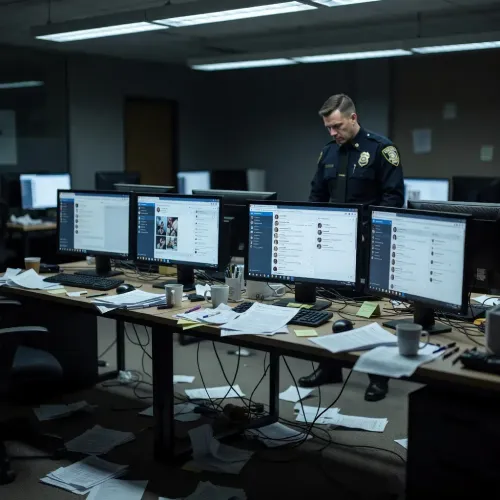
Beijing's market regulator on Thursday, 11 June 2026 summoned representatives from China's top e-commerce platforms — including Alibaba Group Holding's Taobao and Tmall, JD.com, Pinduoduo, Douyin, and RedNote — over a string of marketing violations tied to the country's annual 618 shopping festival. The intervention marks the latest regulatory push to rein in what Chinese policymakers have labelled 'involution-style competition' — destructive price wars that erode profitability and destabilise market order.
What the regulator found
The Beijing Municipal Bureau of Market Supervision and Administration published its findings on its official WeChat account, detailing several categories of violations. Chief among them were misleading advertising practices, specifically so-called 'billion-yuan subsidy' campaigns in which actual consumer spending fell well short of the amounts advertised by the platforms. The regulator said it had ordered all companies named to rectify the problems immediately.
Additional concerns included inadequate disclosure of promotional rules and failure to properly display merchant information — practices that regulators say leave consumers unable to make informed purchasing decisions during high-pressure sales events.
Why it matters
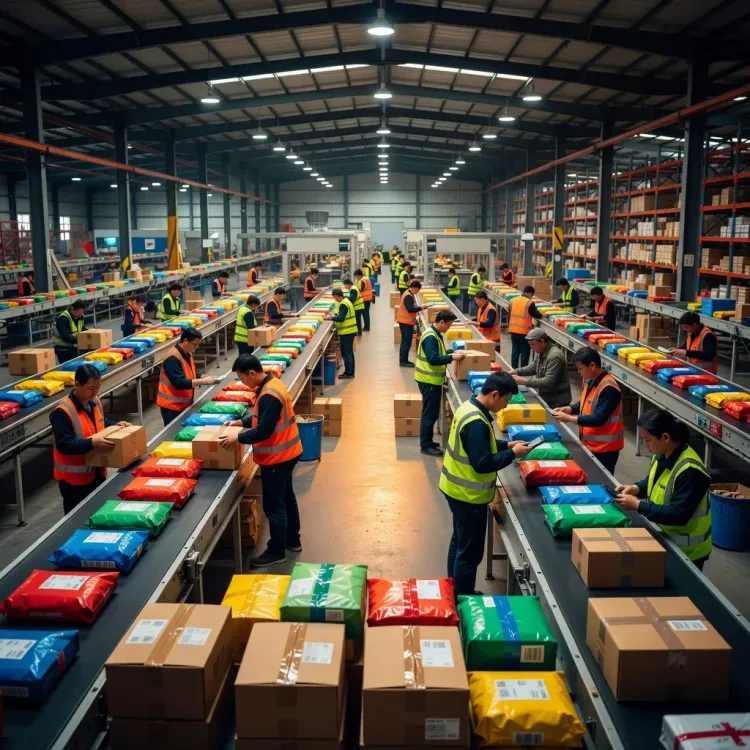
The 618 festival — one of China's two largest annual online retail events alongside Double 11 — generates hundreds of billions of yuan in gross merchandise value and is a critical revenue window for every major platform. Regulatory action during the peak sales period sends a direct signal that authorities are willing to intervene in real time, not merely after the fact. The term 'involution,' once an academic concept, has become a policy shorthand for the kind of subsidy-fuelled competition that regulators argue harms the broader digital economy.
Pattern of escalating scrutiny
Thursday's summons follows a similar meeting held the previous month, in which the Beijing regulator called in more than a dozen internet platforms and warned them against aggressive competitive tactics during the 618 period. The back-to-back interventions suggest authorities are moving from warnings to enforcement. The companies involved — spanning Alibaba, PDD Holdings' Pinduoduo, ByteDance's Douyin, and JD.com — collectively account for the vast majority of China's e-commerce market.
What's next
The regulator has directed all summoned platforms to correct identified violations, though the notice stopped short of specifying fines or deadlines. Analysts will be watching whether enforcement actions follow and whether the crackdown dampens promotional intensity — and by extension, gross merchandise value figures — for the remainder of the 618 festival window. With Beijing signalling zero tolerance for deceptive subsidy claims, platforms face mounting pressure to restructure their promotional mechanics before the festival concludes.
Point of View
Not post-mortem — marks a tactical shift in how Beijing deploys regulatory pressure: as a real-time lever rather than a retrospective penalty. What mainstream coverage underplays is that 'involution' crackdowns serve a dual purpose: they curb consumer deception while also providing political cover to protect the margins of state-linked retail incumbents squeezed by subsidy wars. The inclusion of RedNote alongside legacy giants signals that no platform, regardless of its cultural-cache status, is exempt. Platforms now face a structural dilemma: dial back subsidies and risk losing gross merchandise value share, or maintain them and invite enforcement action.
NationPress
26 Oct 2026
Frequently Asked Questions
What is China's 618 shopping festival?
The 618 festival is one of China's two largest annual online retail events, originating from JD.com's founding anniversary on 18 June . It has grown into a multi-week sales period involving all major e-commerce platforms, generating hundreds of billions of yuan in gross merchandise value.
Why did Beijing summon e-commerce platforms during 618 2026?
The Beijing Municipal Bureau of Market Supervision and Administration summoned the platforms on 11 June 2026 over misleading 'billion-yuan subsidy' advertising, inadequate promotional-rule disclosures, and improper merchant information display. Regulators ordered all named companies to immediately rectify the violations.
Which companies were called in by the Beijing regulator?
Representatives from Alibaba Group Holding's Taobao and Tmall , JD.com , PDD Holdings' Pinduoduo , ByteDance's Douyin , and RedNote were summoned. Together these platforms account for the dominant share of China's e-commerce market.
What is 'involution-style competition' in China's e-commerce sector?
'Involution-style competition' refers to excessive, often subsidy-fuelled rivalry that destroys profitability and disrupts market order without producing meaningful consumer or economic benefit. Chinese policymakers have increasingly used the term to justify regulatory intervention in sectors including e-commerce, ride-hailing, and food delivery.
What happens next after the Beijing regulator's 618 crackdown?
All summoned platforms have been ordered to correct identified violations, though no specific fines or deadlines were publicly disclosed. Observers will watch whether enforcement actions materialise and whether the regulatory pressure visibly reduces promotional intensity — and gross merchandise value — before the 618 festival window closes.