China drafts rules to ban 'irrational' food-delivery subsidies

Synopsis
China's SAMR has drafted rules to ban 'irrational' food-delivery subsidies, targeting below-cost pricing and merchant coercion by platforms including Meituan, JD.com, and Alibaba — marking Beijing's sharpest intervention yet in the sector's escalating price wars.
Key Takeaways
China's SAMR published draft regulations on June 17, 2026 to ban misuse of subsidies by food-delivery platforms .
The rules would prohibit 'long-term, large-scale' subsidies used to disrupt market order or hamper competition.
Platforms including Meituan , JD.com , Alibaba's Taobao Shangou , and Pinduoduo are implicated in the sector's price wars.
Merchants cannot be forced to participate in or bear the costs of subsidy programmes under the proposed rules.
Platforms must publicly disclose subsidy campaigns before launch and after completion, with explicit legal liabilities attached.
Public comment on the draft closes on July 17, 2026 .
China's State Administration for Market Regulation (SAMR) introduced draft regulations on Wednesday, June 17, 2026, targeting the misuse of subsidies by food-delivery platforms, as Beijing moves to curb the sector's intensifying price wars. The proposed rules are open for public comment until July 17 and identify specific practices that would be prohibited under the new framework.
What the draft rules prohibit
The SAMR has identified several banned practices, including using subsidies to disrupt market order, selling goods below cost, and leveraging capital advantages to seize market share. Platforms would also be barred from coercing merchants into participating in subsidy programmes or forcing businesses to absorb the associated costs.
The regulator stated that China's food-delivery platforms exhibit problems such as 'using capital advantages to seize market share, coercing businesses on their platforms into taking part in subsidies, and triggering irrational competition in the industry,' adding that such cutthroat competition was 'hurting businesses, delivery drivers and consumers.'
Why it matters
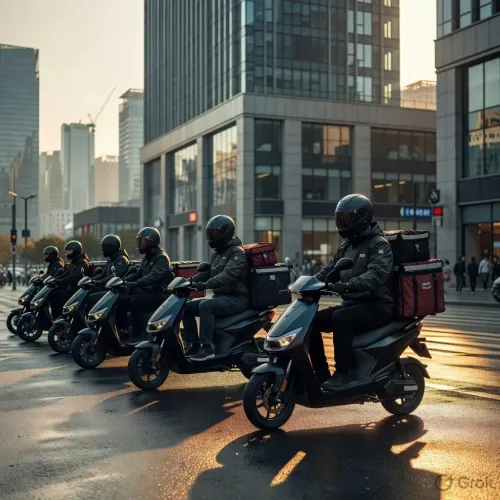
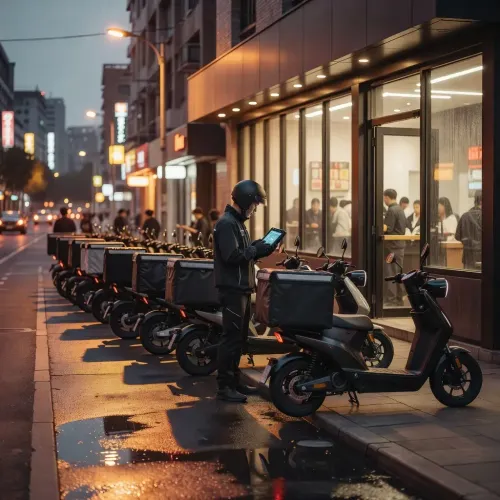
The draft rules take direct aim at a subsidy arms race that has defined competition among major platforms including Meituan, JD.com, Alibaba's Taobao Shangou, and Pinduoduo. These companies have poured billions into user acquisition through discounts and subsidies, often at the expense of merchants and gig workers on their networks.
By banning 'long-term, large-scale' subsidies that hamper competition or disrupt market order, the SAMR is signalling that the era of capital-fuelled growth-at-all-costs in China's platform economy is under renewed regulatory scrutiny.
Disclosure and accountability requirements
Under the proposed framework, platforms must make public disclosures both before launching a subsidy campaign and after completing one. The rules also outline legal obligations and liabilities tied to subsidy activities, raising the compliance burden for all major operators in the sector.
Platforms found to be using their 'relatively deep pockets' to engage in monopolistic or unfair competition would face explicit legal liability under the draft, according to the regulator's statement.
The competitive backdrop
China's food-delivery sector has seen a sharp escalation in subsidy-driven competition in recent years, with JD.com and Alibaba challenging the dominance of Meituan through aggressive discounting. The battle has drawn comparisons to earlier price wars in ride-hailing and e-commerce that eventually prompted regulatory intervention.
Industry analysts have noted that the current subsidy cycle has compressed margins across the board, with delivery drivers and small restaurant operators bearing a disproportionate share of the costs.
What's next
The public comment period closes on July 17, 2026, after which the SAMR is expected to finalise the regulations. How strictly the rules are enforced — and whether they extend to related sectors such as grocery delivery and instant retail — will determine their ultimate impact on China's platform giants.
Point of View
Then step in once the collateral damage to workers and small businesses becomes politically untenable. What mainstream coverage underplays is that this intervention also serves a structural economic goal — forcing platform giants to compete on service quality rather than capital depth, which effectively raises the barrier for new entrants and entrenches incumbents like Meituan even as it constrains them. The mandatory pre- and post-campaign disclosure requirement is the most consequential detail: it transforms subsidy activity from a private competitive lever into a publicly auditable act, giving regulators a permanent surveillance mechanism. Investors in Meituan, JD.com, and Alibaba should watch whether enforcement follows the draft's language or softens in implementation — China's platform regulation has historically been asymmetric in its application.
NationPress
16 Sept 2026
Frequently Asked Questions
What are China's new food-delivery subsidy regulations?
China's State Administration for Market Regulation (SAMR) released draft rules on June 17, 2026 that would ban food-delivery platforms from using 'long-term, large-scale' subsidies to disrupt market competition, selling goods below cost, or coercing merchants into subsidy programmes. The rules are open for public comment until July 17, 2026 .
Which companies are affected by China's food-delivery crackdown?
The draft rules target major food-delivery and e-commerce platforms operating in China , including Meituan , JD.com , Alibaba's Taobao Shangou , and Pinduoduo . These platforms have engaged in aggressive subsidy-driven competition that the SAMR says has hurt businesses, delivery drivers, and consumers.
Why is China cracking down on food-delivery subsidies?
Beijing says the subsidy arms race among platforms has caused 'irrational competition' that harms merchants, gig workers, and consumers. The SAMR identified practices such as using capital advantages to seize market share and forcing businesses to bear subsidy costs as key problems driving the crackdown.
What disclosures will food-delivery platforms be required to make?
Under the proposed framework, platforms must publicly disclose subsidy campaigns both before they launch and after they conclude. The rules also establish explicit legal obligations and liabilities for subsidy activities, significantly raising the compliance burden for operators.
When will China's food-delivery subsidy rules take effect?
The draft regulations are currently in a public comment period that runs until July 17, 2026 . Final rules are expected to be issued by the SAMR after that date, though the precise enforcement timeline has not yet been announced.