China police bust smear ring targeting Alibaba, JD.com before 618

Synopsis
Chinese police in Chengdu have penalised five individuals from a media agency that ran a coordinated smear campaign against Alibaba and JD.com — including fabricated courier uniform images — just before the 618 shopping festival, as Beijing cracks down on commercial disinformation targeting private-sector tech giants.
Key Takeaways
Chengdu police dismantled a coordinated smear campaign targeting Alibaba Group Holding and JD.com ahead of the 618 mid-year shopping festival .
Five individuals from Chengdu Xiaoben Culture Media received administrative penalties from the Sichuan Public Security Authority in June 2026 .
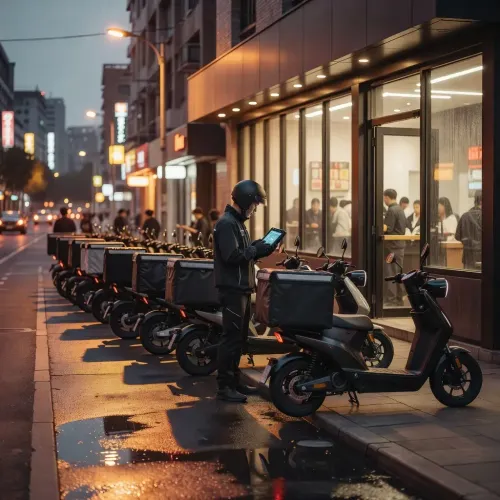
The disinformation included fabricated images of Taobao Shangou courier uniforms with altered text implying illegal services.
Smears against JD.com targeted its food delivery arm, finance unit, and founder Richard Liu Qiangdong .
Evidence has been referred to the State Administration for Market Regulation for further investigation; the company that commissioned the campaign has not been publicly named.
Chinese police have dismantled a coordinated, months-long disinformation campaign directed at Alibaba Group Holding and JD.com, two of the country's largest e-commerce platforms, just ahead of the high-stakes 618 shopping festival. Authorities in Chengdu, capital of Sichuan province, imposed administrative penalties on five individuals from a media agency implicated in the attacks, with the case referred to market regulators for further action.
What the smear campaign involved
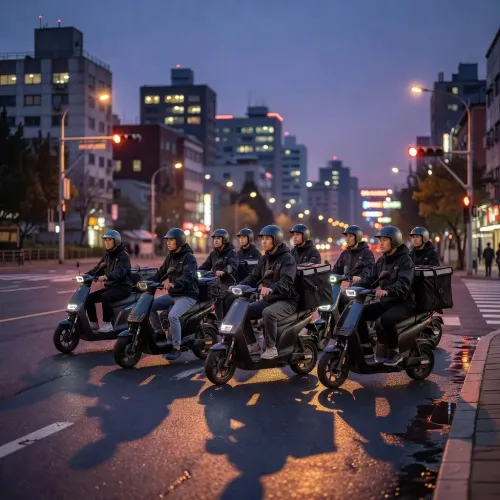
The disinformation operation included fabricated images of uniforms worn by food delivery couriers of Taobao Shangou — Alibaba's instant commerce unit — with altered text on the clothing designed to imply the platform offered illegal services, according to a social media post by Taobao Shangou. JD.com said the smears extended beyond its food delivery arm, also targeting its finance unit and its founder, Richard Liu Qiangdong, though the company did not specify the exact nature of those claims.
The agency at the centre of the operation
Both Alibaba and JD.com pointed to Chengdu Xiaoben Culture Media, a media agency allegedly hired by an unnamed company to conduct the online attacks. Neither platform identified who ultimately commissioned the campaign. The Public Security Authority of Sichuan announced the case earlier in June 2026, confirming that penalties had been levied and that evidence had been forwarded to the State Administration for Market Regulation for further investigation.
Why it matters
The crackdown arrives as Beijing signals a renewed commitment to protecting private-sector enterprises from unfair competitive practices, including online reputation attacks. Both JD.com and Taobao Shangou publicly praised Chengdu police for 'combating online rumours' and 'maintaining a clean and healthy online environment.' The timing — weeks before the fiercely contested 618 mid-year shopping festival — underscores how reputational warfare has become an extension of commercial rivalry in China's crowded e-commerce and food delivery sectors.
The competitive backdrop
The food delivery and instant commerce space in China is under intense pressure, with Alibaba's Taobao Shangou, JD.com, Meituan, Pinduoduo, and Douyin all competing aggressively for market share. Coordinated smear campaigns targeting couriers and platform credibility represent a relatively new tactic in this rivalry, one that regulators are now treating as a formal enforcement matter rather than a civil dispute.
What's next
The referral of evidence to the State Administration for Market Regulation suggests the investigation could expand beyond the five individuals already penalised, potentially exposing the unnamed company that allegedly commissioned Chengdu Xiaoben Culture Media. Observers will watch whether the Cyberspace Administration of China issues broader guidance on platform reputation attacks as part of its ongoing effort to regulate the online information environment ahead of major commercial events.
Point of View
Outsourced industry — a dimension mainstream coverage tends to underplay. Beijing's intervention is as much a signal of state support for its rehabilitated tech giants as it is a law-enforcement action; both Alibaba and JD.com have spent the past two years rebuilding regulatory goodwill after years of scrutiny. The referral to the State Administration for Market Regulation rather than a criminal court suggests authorities are calibrating the response carefully — punitive enough to deter, but not so aggressive as to implicate a major corporate player publicly before the identity of the commissioning party is confirmed. With Meituan, Pinduoduo, and Douyin all competing in the same instant-commerce arena, the unnamed client's eventual exposure — if it comes — could reshape competitive dynamics across the sector.
NationPress
14 Sept 2026
Frequently Asked Questions
What was the smear campaign against Alibaba and JD.com about?
A coordinated disinformation operation targeted Alibaba and JD.com using tactics such as fabricated images of Taobao Shangou courier uniforms with altered text implying illegal services, as well as unspecified smears against JD.com 's food delivery arm, finance unit, and founder Richard Liu Qiangdong . The campaign was allegedly run by Chengdu Xiaoben Culture Media on behalf of an unnamed company.
Who conducted the investigation and what penalties were imposed?
Chengdu police in Sichuan province dismantled the operation and the Sichuan Public Security Authority imposed administrative penalties on five individuals from the agency. Evidence was also handed to the State Administration for Market Regulation for a broader investigation.
Why did this happen before the 618 shopping festival?
The 618 mid-year shopping festival is one of China's highest-stakes e-commerce events, making it a prime window for competitors to damage rivals' reputations and erode consumer trust. The timing of the campaign — and of its exposure — suggests the attacks were designed to maximise commercial harm during peak sales season.
Who is behind the smear campaign targeting Alibaba and JD.com?
Neither Alibaba nor JD.com publicly identified the unnamed company that allegedly commissioned Chengdu Xiaoben Culture Media to run the attacks. The State Administration for Market Regulation is continuing to investigate.
How does this fit into China's broader crackdown on online disinformation?
Beijing has increasingly framed the protection of private-sector companies from unfair online attacks as part of its broader effort to improve the business environment. This case follows a pattern of the Cyberspace Administration of China and market regulators treating coordinated commercial smear campaigns as formal enforcement matters rather than civil disputes between companies.