Are Chest X-rays Effective in Detecting Asymptomatic TB Among Household Contacts?
Synopsis
A groundbreaking study reveals that chest X-rays are failing to detect asymptomatic tuberculosis in household contacts, missing over 40% of cases. This alarming finding calls for a reevaluation of current TB screening methods, especially in endemic regions. Discover the critical implications of this research and how it challenges existing diagnostic practices.
Key Takeaways
Standard chest X-rays are inadequate for detecting asymptomatic TB.
Over 80% of confirmed TB cases among household contacts are asymptomatic.
Chest radiographs missed 40% of TB cases.
Current screening methods may underestimate TB prevalence in endemic areas.
WHO targets for TB screening sensitivity are not met by current practices.
New Delhi, Oct 28 (NationPress) A study published in The Lancet Global Health reveals that standard chest X-rays, which rely on symptoms, are insufficient for identifying asymptomatic tuberculosis (TB) infections among household contacts. Conducted by researchers from the University of Cape Town, South Africa, the study involved systematic screening with universal sputum microbiological testing of 979 household contacts of individuals diagnosed with pulmonary tuberculosis across three communities in South Africa.
The researchers evaluated the effectiveness of tuberculosis symptom screening (regardless of duration) and chest radiograph assessments (noting any abnormalities indicative of active TB) against a microbiological reference standard.
The findings showed that 5.2% of household contacts were confirmed to have pulmonary tuberculosis, with 82.4% of these individuals presenting no symptoms. Alarmingly, chest radiographs failed to identify 40% of the TB cases.
“Over 80% of the confirmed TB cases among household contacts were asymptomatic; chest radiograph screenings missed more than 40% of these,” stated Dr. Simon C Mendelsohn, the corresponding author from the South African Tuberculosis Vaccine Initiative. He emphasized that “community prevalence surveys based on symptom and chest radiograph screenings could significantly underestimate the prevalence of asymptomatic tuberculosis in endemic areas.”
According to the World Health Organization (WHO), around 2.7 million people (25% of the estimated 10.8 million TB cases worldwide) were undiagnosed or untreated in 2023.
Identifying and treating these so-called missing millions is critical, but the challenge lies in the fact that a majority remain asymptomatic.
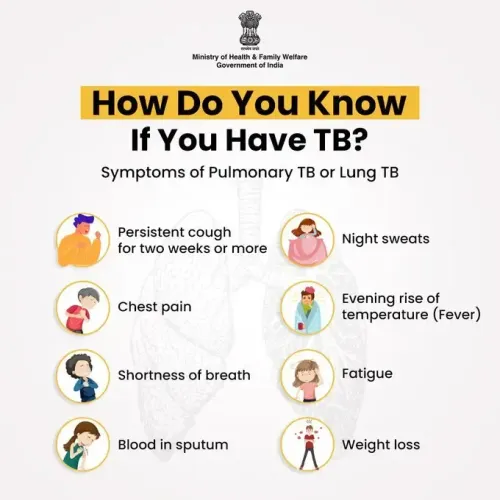
“More than half of all TB identified in community prevalence surveys is categorized as asymptomatic, affecting individuals who do not exhibit or recognize typical TB symptoms, such as cough, fever, night sweats, and weight loss,” the authors noted.
In this study, asymptomatic tuberculosis in household contacts exhibited low bacterial loads and low serum C-reactive protein levels, comparable to healthy individuals. However, these differed from symptomatic tuberculosis in a group of clinic attendees.
The sensitivity of chest radiograph screening for asymptomatic tuberculosis was found to be only 56.1%, while the combined sensitivity for symptom and chest radiograph screening for all tuberculosis was slightly higher at 64.0%.
“Our results indicate that symptom-based and chest radiograph-based methods are inadequate for community TB screening and fall short of the WHO’s target product profile for a TB screening test, which requires a minimum of 90% sensitivity and 70% specificity. National surveys that do not include universal sputum microbiological testing may significantly underestimate the prevalence of asymptomatic tuberculosis in high-burden nations,” Mendelsohn concluded.
Point of View
It's clear that our conventional methods for detecting tuberculosis among household contacts are inadequate. This study raises serious concerns about the effectiveness of symptom-based screenings, urging a shift towards more comprehensive diagnostic strategies to combat the growing TB crisis, especially in endemic regions.
NationPress
24 Sept 2026
Frequently Asked Questions
What did the study published in The Lancet Global Health find?
The study found that chest X-rays are inadequate for detecting asymptomatic tuberculosis in household contacts, missing over 40% of cases.
Who conducted the research on tuberculosis detection?
The research was conducted by a team from the University of Cape Town, South Africa.
What percentage of confirmed TB cases were asymptomatic?
Over 80% of confirmed TB cases among household contacts were found to be asymptomatic.
What is the sensitivity of chest radiograph screening for asymptomatic tuberculosis?
The sensitivity of chest radiograph screening for asymptomatic tuberculosis was only 56.1%.
Why is this study significant?
This study highlights the inadequacies of current TB screening methods, emphasizing the need for improved diagnostics to identify asymptomatic cases.