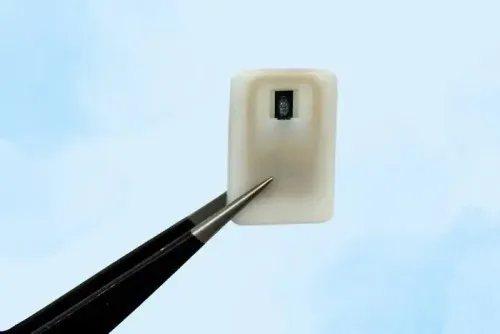
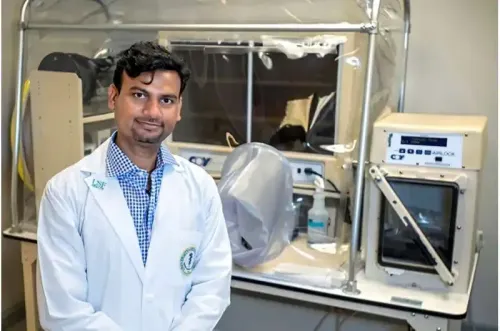
Chinese probiotic rivals Ozempic in tests, US launch eyed in 2 years

Synopsis
Researchers at East China Normal University in Shanghai have built a bacterium that senses high blood sugar and releases a GLP-1 hormone on demand — matching Ozempic in animal tests. The team is targeting US health-supplement shelves within two years, potentially putting a prescription-free diabetes aid in reach of millions.
Key Takeaways
East China Normal University in Shanghai has engineered a 'smart' probiotic that autonomously releases a glucose-lowering GLP-1 hormone when blood sugar rises.
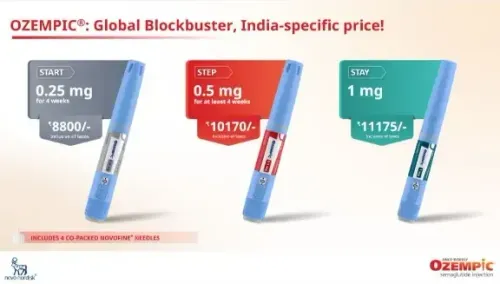
In animal trials, the probiotic performed on par with Ozempic , according to a study published in Nature last week.
Lead scientist Ye Haifeng said the probiotic could reach the United States as a health supplement 'in about two years' if development proceeds as planned.
The team has filed patents and is scaling production to meet Good Manufacturing Practice (GMP) standards for US and European markets.
More than 530 million adults worldwide have diabetes, a figure projected to exceed 850 million by 2050 .
Regulatory classification as a supplement — not a drug — could accelerate the US commercialisation timeline but will constrain permissible health claims.
A Shanghai-based research team has engineered a 'smart' probiotic bacterium capable of sensing elevated blood sugar and autonomously releasing a glucose-lowering hormone — matching the performance of Ozempic in animal trials, according to a study published in Nature last week. The breakthrough, developed at East China Normal University, could reframe diabetes management as a daily supplement rather than a prescription injection.
How the smart probiotic works
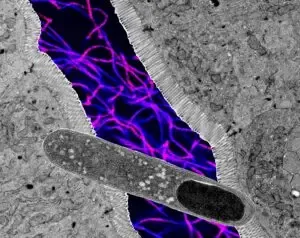
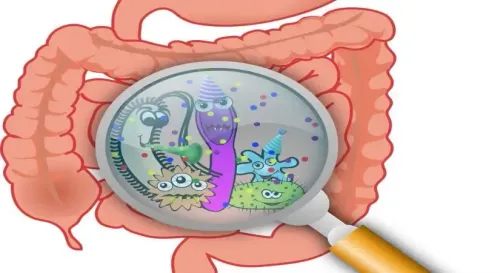
After oral administration, the engineered bacterium remains dormant when blood glucose levels are within a normal range. Once levels rise, it automatically triggers a glucose-lowering mechanism by releasing a GLP-1-class hormone — the same pathway targeted by blockbuster injectable drugs like Ozempic. The mechanism essentially turns the gut microbiome into a responsive, on-demand drug delivery system.
The study, published in Nature, showed the probiotic performing on par with Ozempic in animal tests, a result the researchers describe as a significant proof of concept for living-medicine approaches to metabolic disease.
Why it matters
Diabetes is among the world's most prevalent chronic conditions. More than 530 million adults worldwide currently live with diabetes, and that figure could surpass 850 million by 2050, according to existing projections. Current standard-of-care options — oral medications and insulin injections — carry compliance challenges, cost burdens, and side-effect profiles that a once-daily probiotic supplement could potentially sidestep.
The GLP-1 receptor agonist market, anchored by drugs like Ozempic, has become one of the fastest-growing segments in global pharmaceuticals, with demand consistently outpacing supply. A probiotic alternative positioned as a health supplement could attract a far broader consumer base, bypassing prescription requirements in certain markets.
Path to market
'If all goes well, the probiotic is expected to be available in the United States in the form of a health supplement in about two years,' said Ye Haifeng, the lead scientist on the project, in an interview with China Science Daily on Thursday, 14 August 2026. The team has already filed patents and is scaling up production to meet Good Manufacturing Practice (GMP) pharmaceutical standards for both US and European markets.
Regulatory classification as a health supplement — rather than a pharmaceutical drug — could significantly shorten the timeline to commercialisation in the United States, though it would also limit the specific medical claims the product can make at launch.
The competitive backdrop
The probiotic joins a growing body of 'living medicine' research, an area where institutions including ETH Zurich have also been active. The use of engineered bacteria such as Pseudomonas putida and modified E. coli strains as therapeutic delivery vehicles has gained traction as synthetic biology tools mature. East China Normal University's approach adds a glucose-sensing trigger layer, making the bacterium responsive rather than constitutively active.
The broader competitive pressure on injectable GLP-1 drugs from low-cost, easy-to-administer alternatives is already being tracked closely by pharmaceutical investors and incumbents alike.
What's next
The team's immediate focus is on scaling fermentation and encapsulation processes to GMP standards, a prerequisite for regulatory filings in both the US and Europe. Human clinical data — absent from the current publication — will ultimately determine whether the supplement's performance in animal models translates to patients. Analysts and investors in the metabolic disease space will be watching the first human trial readouts closely, as will the makers of established GLP-1 therapies.
Point of View
East China Normal University could bring a GLP-1-mimicking product to American consumers years ahead of any conventional pharmaceutical pathway — without ever running a Phase III trial. That framing sidesteps the billion-dollar clinical gauntlet that keeps most biotech challengers out of the GLP-1 space, but it also caps the product's commercial ceiling until human efficacy data exists. Mainstream coverage is treating this as a biotech curiosity; the harder question is what it signals about China's synthetic-biology pipeline maturing to the point of direct competition with Western pharmaceutical incumbents in their most lucrative therapeutic category. If human data holds, the pressure on Novo Nordisk and Eli Lilly will come not just from biosimilar manufacturers but from an entirely different product category.
NationPress
2 Oct 2026
Frequently Asked Questions
What is the smart diabetes probiotic developed by Chinese researchers?
It is an engineered bacterium created at East China Normal University in Shanghai that senses elevated blood glucose and automatically releases a GLP-1 glucose-lowering hormone. In animal tests, it performed on par with the injectable drug Ozempic , according to a study published in Nature .
When could this diabetes probiotic be available in the US?
Lead scientist Ye Haifeng said the probiotic could be available in the United States as a health supplement 'in about two years' if development proceeds as planned. The team is currently scaling production to meet GMP pharmaceutical standards.
How does the smart probiotic compare to Ozempic?
In animal trials, the probiotic matched Ozempic 's glucose-lowering performance, according to the Nature study. Unlike Ozempic , which is a weekly injectable prescription drug, the probiotic is designed to be taken orally as a capsule or in a food like yogurt, and it activates only when blood sugar is elevated.
Who is most affected by this development?
The more than 530 million adults worldwide living with diabetes stand to benefit most if the probiotic proves effective in humans. Pharmaceutical companies in the GLP-1 drug market — including makers of Ozempic — face the prospect of a low-cost, easy-to-administer alternative entering the market.
What regulatory hurdles does the probiotic face before reaching consumers?
The team is targeting health-supplement classification in the US , which carries a shorter regulatory pathway than full drug approval but limits permissible medical claims. Production must first meet Good Manufacturing Practice (GMP) standards, and human clinical data — not yet available — will be critical for broader acceptance by regulators and physicians.