Spider silk-inspired corn protein becomes sustainable plastic alternative
Synopsis
Scientists from China and the Netherlands have transformed corn protein zein into a spider silk-inspired 'plantymer' with silk-like rigidity and strong barrier properties — a potential industrial-scale alternative to fossil fuel plastics, published in Nature Communications on May 11.
Key Takeaways
Researchers from Nanjing Agricultural University , Jiangnan University , University of Hong Kong , University of Amsterdam , and Wageningen University co-authored the study.
The biopolymer is derived from zein , a corn protein, processed using a mechanism inspired by how spiders spin silk.
The resulting 'plantymer' fibres and sheets showed rigidity comparable to silk and demonstrated good moisture and oxygen barrier properties.
The study was published in peer-reviewed journal Nature Communications on May 11 .
More than 400 million tonnes of plastic are produced globally each year, with roughly half designed for single use, according to the United Nations .
Agricultural supply chain disruptions and fertiliser shortages remain key challenges for scaling plant-based biopolymers commercially.
A joint research team from China and the Netherlands has engineered a corn protein-based biopolymer using a spider silk-inspired processing method, potentially offering a viable sustainable substitute for fossil fuel-derived plastics. The findings were published in the peer-reviewed journal Nature Communications on May 11, marking a significant step in plant-derived materials science.
The Science Behind the Breakthrough
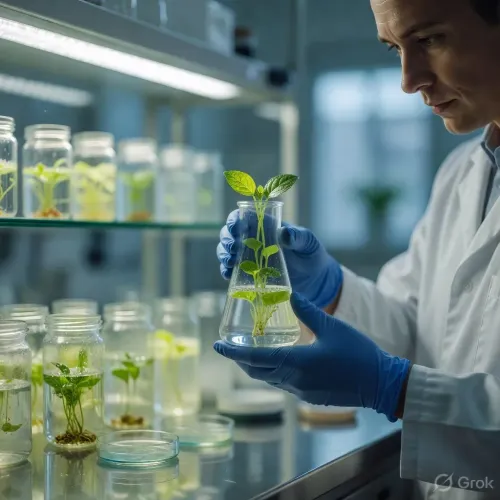
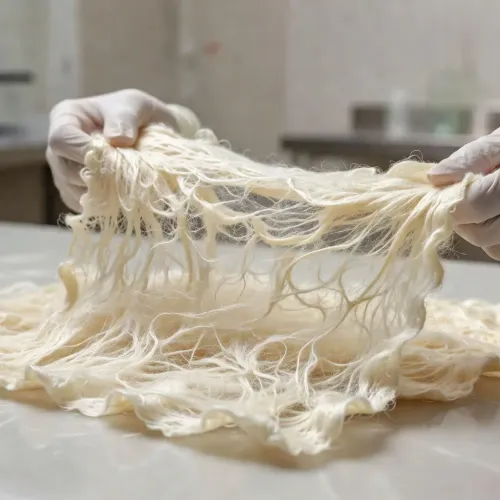
The researchers drew on the natural mechanism spiders use to spin high-strength silk, applying a similar processing approach to zein, a protein extracted from corn. The resulting material — dubbed a 'plantymer' — was produced in both fibre and sheet forms. According to the team, the plantymer displayed rigidity comparable to silk, alongside strong moisture and oxygen barrier properties that are critical for packaging applications.
'We have shown that processing protein materials inspired by spider silk can be applied to amply available plant proteins such as zein from corn,' the research team stated.
Who Is Behind the Research
The collaborative team includes scientists from Nanjing Agricultural University, Jiangnan University, and the University of Hong Kong in mainland China and Hong Kong, alongside researchers from the University of Amsterdam and Wageningen University in the Netherlands. The multi-institutional effort reflects growing cross-border cooperation in sustainable materials research.
Why It Matters
The urgency for plastic alternatives is underscored by scale: more than 400 million tonnes of plastic are produced worldwide every year, with roughly half designed for single use — such as food packaging — according to the United Nations. The team acknowledged a longstanding obstacle: 'Plant-derived biopolymers may become sustainable alternatives to fossil-based polymers, yet their poor material performance has so far limited their adoption.'
Global fossil fuel-based plastic production has also come under additional pressure from disruptions linked to the ongoing Iran conflict and restrictions in the Strait of Hormuz, which analysts say could accelerate demand for alternative materials.
The Competitive Backdrop
Despite the promise, the path to commercial adoption faces real headwinds. Disruptions in agricultural supply chains — particularly fertiliser shortages — raise questions about whether plant-based biopolymers can be produced at scale reliably and sustainably. Zein is an abundant agricultural by-product, but scaling the spider silk-inspired processing technique for industrial output remains an open engineering challenge.
What's Next
The research team's work opens a roadmap for transforming widely available crop proteins into performance materials that rival conventional plastics. Whether the plantymer can be manufactured cost-competitively at industrial scale will determine how quickly it moves from laboratory to supply chain — and which industries adopt it first.
Point of View
Precisely the metrics this team claims to have addressed. The spider silk processing analogy is scientifically meaningful, not merely a marketing frame — it signals a shift from composition-led to process-led biopolymer design. The real test will be whether the zein processing method survives contact with industrial-scale manufacturing economics, especially given ongoing fertiliser supply volatility that could make agricultural feedstocks less predictable than fossil fuel inputs.
NationPress
7 Oct 2026
Frequently Asked Questions
What is the corn protein biopolymer developed by Chinese and Dutch scientists?
Scientists from China and the Netherlands engineered a biopolymer called a 'plantymer' from zein , a protein found in corn, using a processing method inspired by how spiders spin silk. The material was produced as fibres and sheets with rigidity comparable to silk and strong moisture and oxygen barrier properties, making it a candidate for packaging applications.
Why does spider silk inspire sustainable plastic research?
Spider silk is one of nature's strongest biopolymers, and the mechanism spiders use to spin it — controlling protein alignment and structure during processing — can be adapted for other proteins. The research team applied this principle to zein, demonstrating that performance limitations of plant-derived biopolymers can be overcome through process design rather than chemical modification.
Where was the corn protein biopolymer study published?
The study was published in the peer-reviewed journal Nature Communications on May 11 . It was authored by a multi-institutional team spanning Nanjing Agricultural University , Jiangnan University , the University of Hong Kong , the University of Amsterdam , and Wageningen University .
Can plant-based biopolymers replace fossil fuel plastics at scale?
Plant-based biopolymers face two main barriers to replacing fossil fuel plastics: historically poor material performance and agricultural supply chain vulnerabilities. The new zein-based plantymer addresses the performance gap, but fertiliser shortages and crop supply disruptions remain challenges for reliable large-scale production, according to analysts.
How much plastic does the world produce each year?
More than 400 million tonnes of plastic are produced worldwide every year, according to the United Nations . Approximately half of that volume is designed for single use, including food packaging — the exact application category where the plantymer's barrier properties could be most relevant.