Is Geriatric Care a National Imperative for India's Ageing Population?

Synopsis
As India's elderly population grows, experts argue for a comprehensive home-based elder care model. This call to action reveals the pressing need for innovative solutions to support the well-being of seniors in an increasingly complex healthcare landscape.
Key Takeaways
Shift towards home-based elder care for better accessibility.
Integrate social and healthcare services for comprehensive support.
Address the digital divide for seniors to access technology.
Focus on mental and emotional well-being alongside physical health.
Learn from global best practices to enhance care models.
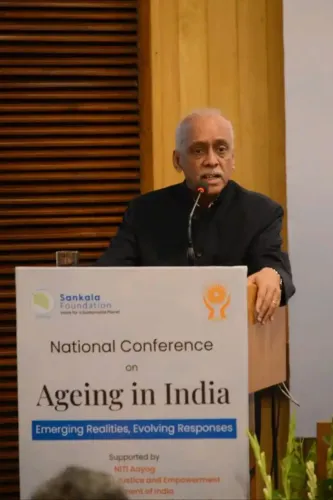
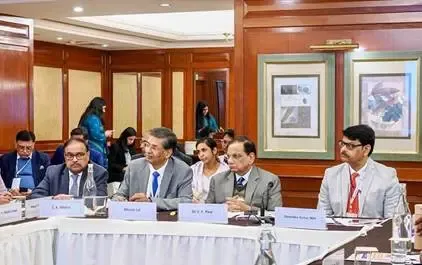
New Delhi, Feb 3 (NationPress) As India's population continues to age rapidly, experts emphasized on Tuesday the urgent necessity for a home-based, community-oriented, and integrated elder care model to enhance geriatric care across the nation.
During an event held in the capital, health professionals shared insights into the escalating challenges faced by the elderly demographic and the pressing requirement for more adaptable and inclusive geriatric care strategies.
The specialists pointed out that the hurdles in geriatric care are complex and multifaceted. These include increasing disabilities and health issues related to aging, such as dementia and Alzheimer’s, notable deficiencies in geriatric healthcare infrastructure, a stark urban-rural divide in accessing medical services, and rising economic pressures driven by insufficient social security and escalating healthcare costs.
“Aging is not merely about living longer, but enriching those years. Geriatric care must be coordinated, continuous, community-based, and compassionate. Mental and emotional health are equally important as physical well-being, particularly in today’s world of nuclear families and increasing social isolation. Geriatric care is a necessity, not a luxury,” stated Dr. Rajinder K. Dhamija, Director of the Institute of Human Behaviour and Allied Sciences (IHBAS).
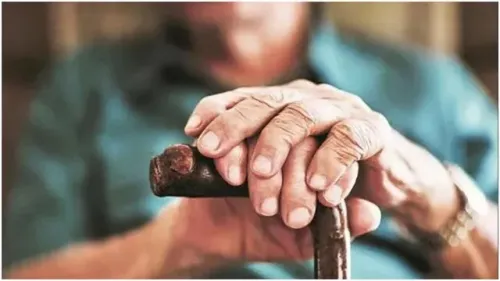
Government statistics indicate that by 2036, India's senior population is expected to rise to approximately 230 million, constituting about 15% of the total populace.
“Geriatric care should not be restricted to a few tertiary hospitals or specialized centers. In a vast and demographically diverse country like India, care should commence at home and be reinforced through district-level systems. Many health needs of the elderly can be addressed without hospitalization, effectively managed through trained caregivers, home-based services, and coordinated community assistance. The primary challenge is achieving scale, integration, and last-mile delivery,” added Rajesh Bhushan, Former Secretary of the Ministry of Health & Family Welfare, during the event hosted by Illness to Wellness.
Bhushan also emphasized the need to retrain general practitioners, merge social care with medical services, and learn from countries such as Japan and South Korea to develop cohesive, one-stop elder care models that integrate healthcare, rehabilitation, and social support.
The experts also highlighted a growing digital gap, with numerous seniors facing difficulties in adopting technology due to limited access and lack of age-appropriate training, alongside physical infrastructure -- public spaces, transport systems, and emergency response mechanisms -- that are still largely unprepared to ensure the safety, mobility, and independence of older individuals.
Prof. Nirmal Kumar Ganguly, Former Director General of ICMR, remarked that aging outcomes are profoundly influenced by social interaction, mental engagement, and timely management of chronic diseases.
“Age is truly just a number. Engaging mentally, interacting socially, and proactively managing vision, hearing, balance, and chronic diseases can significantly enhance quality of life. Although challenges like dementia, diabetes, and hypertension are on the rise, advancements in technology and medical science provide real solutions — if made accessible and equitable,” he noted.
Point of View
It is crucial to prioritize geriatric care as our society ages. The integration of community-led models and home-based services is not just a healthcare issue, but a reflection of our values as a nation. Ensuring the dignity and well-being of our elderly population is a collective responsibility that requires immediate attention and action.
NationPress
5 Oct 2026
Frequently Asked Questions
What is geriatric care?
Geriatric care focuses on the health and well-being of older adults, addressing age-related health issues and ensuring comprehensive support.
Why is a community-based elder care model important?
Such models promote early intervention, enhance accessibility, and ensure that elderly individuals receive care in familiar environments, improving their overall quality of life.
What challenges does India's ageing population face?
Challenges include insufficient healthcare infrastructure, age-related diseases, economic pressures, and a lack of trained caregivers.
How can technology aid in geriatric care?
Technology can facilitate telehealth services, improve access to information, and enhance communication between caregivers and healthcare providers.
What steps can be taken to improve geriatric care in India?
Enhancing training for healthcare professionals, integrating social and medical services, and creating community support systems can significantly improve geriatric care.