Government Guarantees Consistent Fertiliser Supply via Import Diversity and Capacity Growth
Synopsis
In a strategic move, the Indian government has secured long-term agreements with resource-rich nations to stabilize fertiliser supplies. This initiative aims to bolster domestic production and address soil nutrient imbalances while reducing reliance on imports. Discover how these efforts will impact agriculture in India.
Key Takeaways
Long-term agreements: Secured with resource-rich nations for stable fertiliser supply.
Nutrient-Based Subsidy: Encouraging domestic capacity expansion.
Green Ammonia: Part of National Green Hydrogen Mission to support fertiliser needs.
Balanced fertilization: Advocated by ICAR for healthier soil.
Efficient practices: Promoted to minimize nutrient losses.
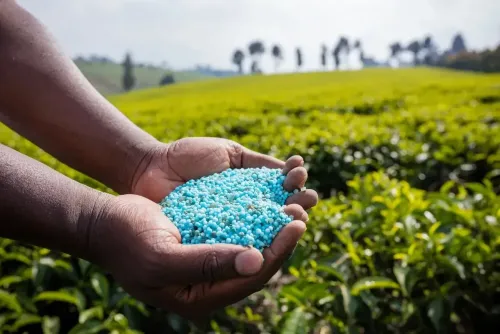
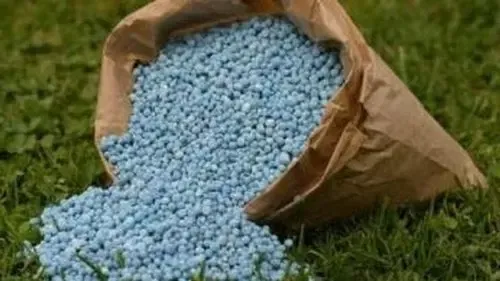
New Delhi, March 27 (NationPress) The Department of Fertilisers has successfully entered into long-term agreements and memoranda with resource-abundant countries to guarantee a consistent supply for the domestic fertiliser production, thereby reducing geopolitical risks, as stated by an official announcement on Friday.
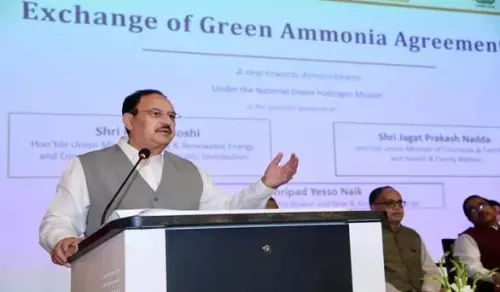
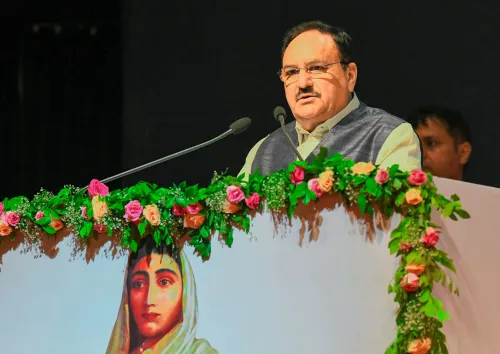
In a bid to enhance domestic production, the government is promoting capacity growth under the Nutrient-Based Subsidy program, Union Minister JP Nadda mentioned during a session in the Lok Sabha.
The government has reaffirmed its dedication to ensuring the availability of fertilisers while addressing import reliance and the imbalance of soil nutrients, according to the statement from the Ministry of Chemicals and Fertilizers.
Projected import shares for fertiliser raw materials in CY2024-25 include rock phosphate at 86%, sulphur at 52%, natural gas for the urea sector at 78%, ammonia for complex fertilisers at 75%, phosphoric acid at 52%, and muriate of potash at 100%.
India continues to depend heavily on imports for essential fertiliser raw materials and intermediates due to limited local resources.
Currently, fertiliser companies are launching new DAP/NPK plants with an overall annual capacity of 59.65 LMT, in addition to phosphoric and sulphuric acid facilities with a capacity of 44.21 LMT.
Furthermore, as part of the National Green Hydrogen Mission, a provision has been established for the procurement of 7.24 LMT of Green Ammonia for the fertiliser sector, according to the minister.
The Indian Council of Agricultural Research (ICAR) advocates for balanced fertilization based on soil testing, which is complemented by the balanced application of NPK fertilisers instead of excessive nitrogen use.
“The promotion of efficient fertiliser usage is encouraged through practices like split application of nitrogen, correct placement of fertilisers, and the use of slow-release fertilisers, neem-coated urea, and nitrification inhibitors to reduce nutrient loss,” stated the announcement.
ICAR is also involved in capacity building through farmer training, demonstrations, and awareness initiatives to minimize excessive urea usage, ensure balanced nutrient application, and enhance soil health.
aar/na
Point of View
The government's proactive approach to securing fertiliser supplies through diverse imports and capacity expansion is commendable. It reflects a commitment to agricultural sustainability and aims to reduce the dependency on foreign resources, promoting self-sufficiency while addressing critical nutrient imbalances in the soil.
NationPress
28 Sept 2026
Frequently Asked Questions
What is the significance of the government's agreements with resource-rich countries?
These agreements ensure a steady supply of fertiliser raw materials, mitigating geopolitical risks and stabilizing domestic production.
How does the Nutrient-Based Subsidy scheme contribute to domestic fertiliser production?
The scheme promotes capacity expansion, encouraging companies to increase local production and reduce reliance on imports.
What is the expected impact of the National Green Hydrogen Mission on fertiliser supply?
The mission includes provisions for the procurement of Green Ammonia, which will support sustainable fertiliser production.
Why is balanced fertilization important?
Balanced fertilization ensures optimal nutrient application, reducing excess nitrogen use and improving soil health.
What role does ICAR play in fertiliser efficiency?
ICAR promotes efficient fertiliser use through training and awareness programs aimed at reducing excessive consumption and enhancing soil health.