Will India’s Fertiliser Subsidy Reach Rs 1.9 Lakh Crore in FY27?

Synopsis
The Indian government is set to maintain a significant fertiliser subsidy outgo of around Rs 1.9 lakh crore in FY27, reflecting a strong commitment to ensuring fertiliser accessibility and affordability for farmers. This report outlines the implications of subsidy rates, sales volumes, and new policy adjustments.
Key Takeaways
The fertiliser subsidy is set at Rs 1.9 lakh crore for FY27.
Sales volumes are expected to grow by 1-3% year-on-year.
High international prices challenge the profitability of fertiliser imports.
A Direct Benefit Transfer model is proposed to enhance efficiency.
New energy standards will impact urea unit profitability.
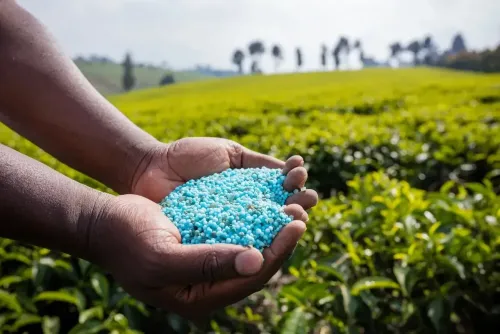
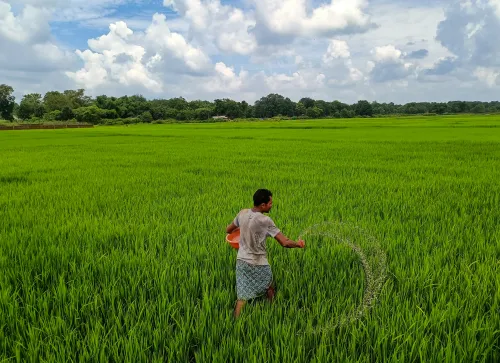
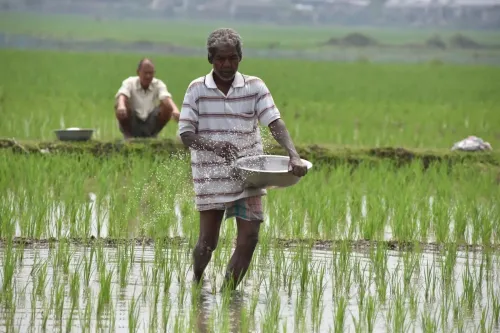
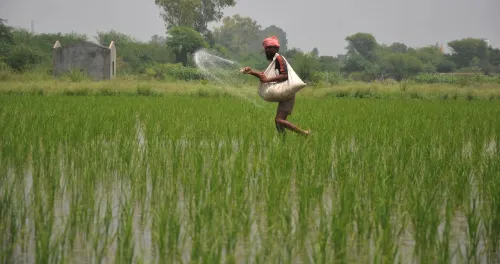
New Delhi, Dec 31 (NationPress) The government’s projected fertiliser subsidy expenditure is anticipated to remain significant at approximately Rs 1.9 lakh crore in FY27, indicating a substantial fiscal commitment to maintain the affordability and availability of fertilisers, according to a report released on Wednesday.
The analysis by ICRA predicts that fertiliser sales volumes are likely to increase at a consistent rate of 1 to 3 percent year-on-year in FY27, which aligns with historical trends.
Data indicates that the higher Nutrient-Based Subsidy rates for the Rabi season of FY26 will benefit local NPK manufacturers. However, the profitability of importing Di-ammonium Phosphate remains questionable due to high international prices.
It was noted that the Nutrient Based Subsidy (NBS) framework does not completely bridge the cost gap for importers. The agency has projected that the planned subsidy allocations for P&K fertilisers in FY26 may fall short, necessitating additional allocations to address gaps.
“The profitability of P&K fertilisers is expected to remain stable, with the Government of India likely to maintain subsidy rates under the NBS scheme at levels that ensure a comfortable supply of non-urea fertilisers for farmers,” stated Varun Gogia, Assistant Vice President & Sector Head at ICRA.
The government is also expected to adjust energy standards and fixed costs payable to urea units as part of the retention pricing mechanism by the close of this fiscal year. This new policy landscape will significantly impact the profitability of urea units moving forward, Gogia added.
Earlier this week, the apex business organization CII suggested that the fertiliser subsidy—which constitutes 39 percent of total central subsidies—should transition to a Direct Benefit Transfer (DBT) model to reduce misuse and encourage balanced fertiliser application. By providing DBT amounts or fertiliser coupons before planting, farmers' concerns regarding upfront costs can be alleviated.
On December 21, Prime Minister Narendra Modi inaugurated the foundation stone of the ammonia-urea fertiliser project in Namrup, located in Assam’s Dibrugarh district, which will be established with an investment of Rs 11,000 crore.
Point of View
It’s crucial to highlight that the ongoing commitment to fertiliser subsidies reflects the government’s recognition of the agricultural sector's importance. Balancing fiscal responsibility with the need for affordable farming inputs is essential for food security and economic stability in the nation.
NationPress
14 Oct 2026
Frequently Asked Questions
What is the projected fertiliser subsidy for FY27?
The projected fertiliser subsidy for FY27 is around Rs 1.9 lakh crore.
How will the subsidy affect farmers?
The subsidy aims to enhance the affordability and availability of fertilisers, thereby supporting farmers' operations.
What challenges do fertiliser importers face?
Importers are facing challenges due to high international prices, affecting profitability.
What is the Direct Benefit Transfer model?
The DBT model would provide farmers with direct financial support for fertiliser purchases, aiming to reduce misuse.
What recent developments were announced by Prime Minister Modi?
Prime Minister Modi recently laid the foundation for an ammonia-urea fertiliser project in Assam with an investment of Rs 11,000 crore.