India funds NPR 36 million school in Nepal's Kailali under HICDP scheme
Synopsis
India is funding a new school building in Nepal's Kailali district under its HICDP scheme, with NPR 36 million committed for Siddhanath Secondary School. The project reflects the expanded bilateral development framework following a January 2024 agreement that raised per-project assistance limits fourfold.
Key Takeaways
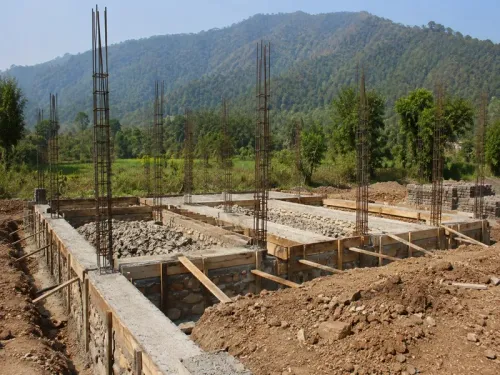
Construction of Siddhanath Secondary School in Dhangadhi Sub-Metropolitan City , Kailali , Nepal, has begun with Indian funding of approximately NPR 36 million .
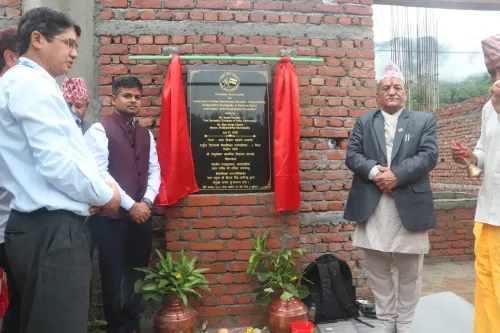
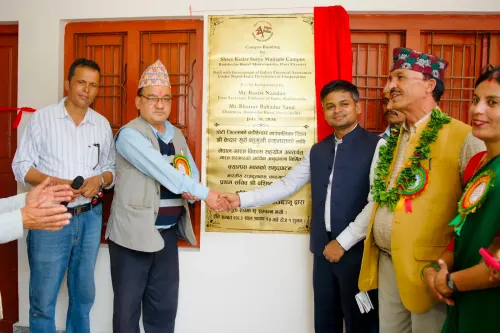
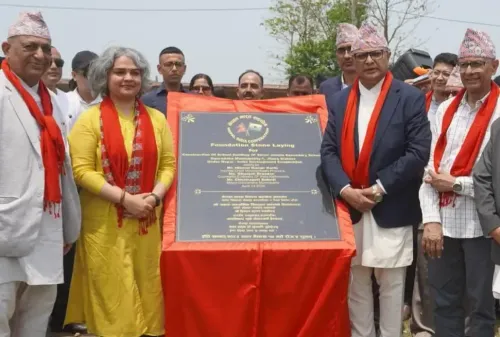
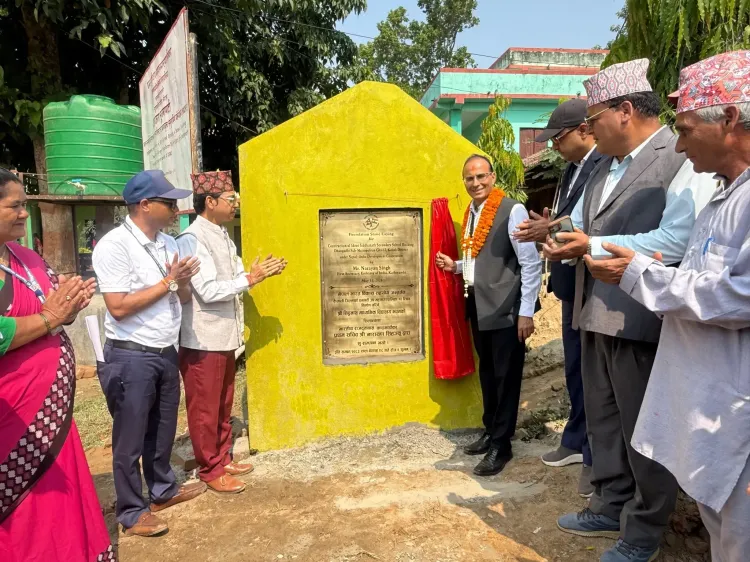
Foundation stone was laid by Narayan Singh , First Secretary of the Indian Embassy in Kathmandu , on 11 May 2025 .
The project is funded under India's High Impact Community Development Project (HICDP) scheme, launched in 2003 .
A January 2024 agreement raised the per-project HICDP ceiling from NPR 5 million to NPR 20 million .
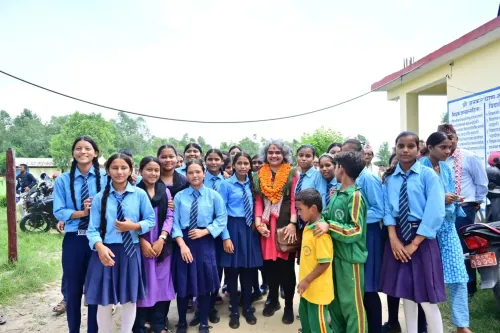
Mayor Gopal Hamal and local stakeholders welcomed the project, citing expected improvements to the learning environment.
The construction of a new school building at Siddhanath Secondary School in Dhangadhi Sub-Metropolitan City, Kailali district, Sudurpaschim Province, Nepal, has commenced with financial assistance of approximately NPR 36 million from the Government of India. The Indian Embassy in Kathmandu announced the development on Monday, 11 May, marking another milestone in the India–Nepal development partnership.
Foundation Stone Laid
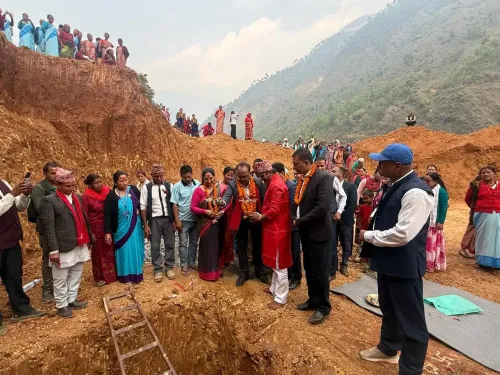
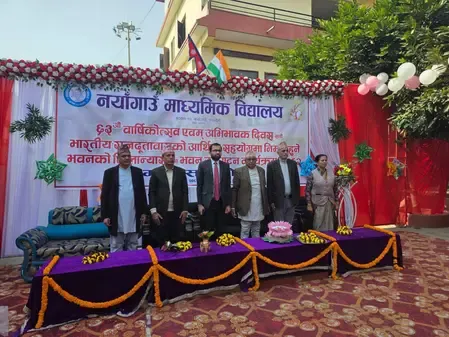
Narayan Singh, First Secretary at the Indian Embassy in Kathmandu, laid the foundation stone for the school building during a formal ceremony attended by local representatives and stakeholders. Mayor of Dhangadhi Sub-Metropolitan City Gopal Hamal and other local officials were present at the event. The project will be implemented through the Dhangadhi Sub-Metropolitan City administration in Kailali.
About the HICDP Scheme
The school is being funded under India's High Impact Community Development Project (HICDP) scheme, one of the key pillars of bilateral development cooperation between the two neighbours. Launched in 2003 under the earlier name of Small Development Projects, the programme supports small-scale infrastructure and community-based initiatives across Nepal through local authorities. Priority sectors include health, education, drinking water, sanitation and drainage, rural electrification, hydropower, and river training works.
In a significant expansion of the initiative, a new agreement signed in January 2024 raised the ceiling of Indian financial assistance per project to NPR 20 million, up from the earlier limit of NPR 5 million. The Siddhanath Secondary School project, valued at approximately NPR 36 million, reflects the enhanced scale of support now available under the revised framework.
What Local Leaders Said
Mayor Gopal Hamal and other stakeholders appreciated the developmental support extended by the Indian government. They expressed confidence that the new school infrastructure would meaningfully improve the learning environment for both students and teachers in the area. The Embassy, in its official statement, noted that the implementation of HICDPs
Point of View
Nepal's westernmost and historically underserved region, is a strategic choice: it places Indian development visibility precisely where connectivity and influence are most contested. The real measure of this programme's impact will be whether project quality and local ownership hold up over time, not just whether foundation stones are laid.
NationPress
24 Sept 2026
Frequently Asked Questions
What is the HICDP scheme under which India is funding the Nepal school?
The High Impact Community Development Project (HICDP) scheme is an Indian government initiative, launched in 2003, that supports small-scale infrastructure and community development projects across Nepal through local authorities. It covers priority sectors such as education, health, drinking water, sanitation, and rural electrification.
How much is India contributing to the Siddhanath Secondary School project?
India is contributing approximately NPR 36 million to construct the new school building at Siddhanath Secondary School in Dhangadhi Sub-Metropolitan City, Kailali district, Nepal. The project will be implemented through the local sub-metropolitan city administration.
When was the foundation stone for the school laid?
The foundation stone was laid on 11 May 2025 by Narayan Singh, First Secretary at the Indian Embassy in Kathmandu, during a ceremony attended by local representatives and stakeholders including Mayor Gopal Hamal.
How has India's HICDP support changed in recent years?
A new agreement signed in January 2024 raised the ceiling of Indian financial assistance under HICDP from NPR 5 million to NPR 20 million per project — a fourfold increase. This has enabled larger and more impactful community infrastructure projects across Nepal.
Why is this project significant for Nepal's Sudurpaschim Province?
Sudurpaschim Province is one of Nepal's more geographically remote and underserved regions. Improved school infrastructure in Dhangadhi, the province's largest city, is expected to enhance the learning environment for students and teachers, supporting broader educational development goals identified by the Government of Nepal.