India expands transshipment network to 6 airports, cargo to surge 80%
Synopsis
India's cargo transshipment reform has cleared its proof-of-concept hurdle — transit time on the Chennai–Delhi–Frankfurt route dropped from 60 hours to 20, and capacity utilisation hit near-100%. Now the government is scaling up to six new airports and two intercontinental lanes, with an 80% cargo volume jump projected. The bigger prize: diverting freight that currently bypasses India through Gulf hubs.
Key Takeaways
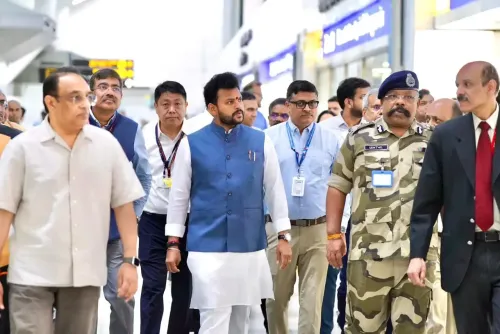
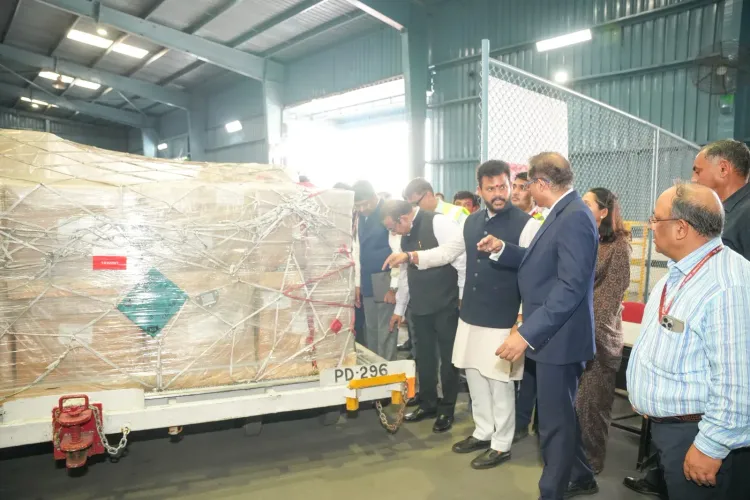
Civil Aviation Minister Ram Mohan Naidu flagged off the expanded transshipment network on 19 August 2026 at IGI Airport, Terminal 2 .
Four new domestic stations added: Bengaluru , Ahmedabad , Mumbai , and Hyderabad ; two new international destinations: London and Copenhagen .
Air India's monthly cargo on these lanes projected to rise from 1,763 MT to 3,183 MT — an increase of nearly 80 per cent .
The Chennai–Delhi–Frankfurt Proof of Concept, launched 20 June 2026 , cut transit time from 60 hours to 20 hours and transshipped 280 MT of cargo.
Mandatory re-screening of transshipment cargo has been removed to cut turnaround time and handling costs.
Government plans to extend the framework to International-to-International and International-to-Domestic transshipment in subsequent phases.
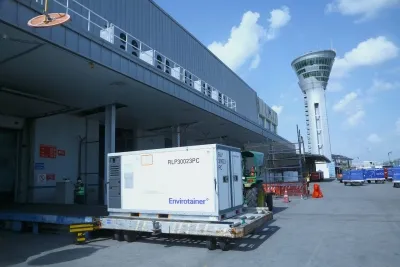
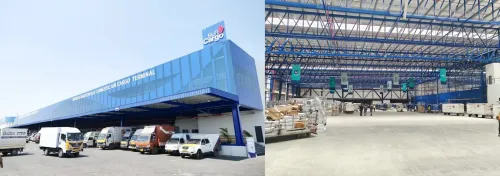
India's transshipment cargo network was significantly expanded on Wednesday, 19 August 2026, as the government flagged off the scaled-up phase of the country's transshipment reform at Delhi International Airport Ltd (DIAL), aiming to establish India as a global air cargo hub by capitalising on its geographic position between the East and the West. Civil Aviation Minister Ram Mohan Naidu inaugurated DIAL's Transshipment Excellence Centre (TEC) at Indira Gandhi International Airport, Terminal 2.
What the Expansion Covers
The revamped network now incorporates four new domestic origin stations — Bengaluru, Ahmedabad, Mumbai, and Hyderabad — alongside two new international destinations: London and Copenhagen. The expanded network is projected to raise Air India's monthly cargo carriage on these lanes from 1,763 MT to 3,183 MT, representing a growth of nearly 80 per cent.
Key Bottleneck Removed
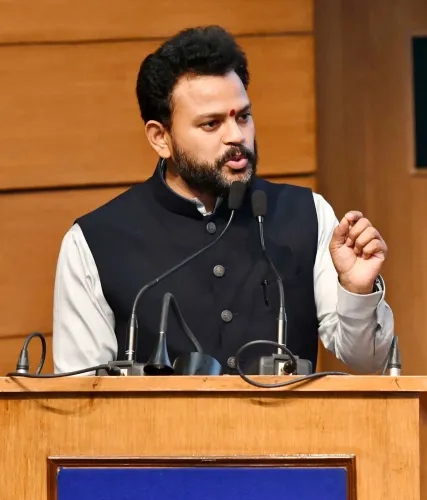
'Based on industry feedback, we identified the long-standing requirement of mandatory re-screening of transshipment cargo as a key bottleneck. By doing away with it, we can significantly reduce turnaround time, handling costs, and congestion at cargo terminals,' said Naidu. The removal of mandatory re-screening is expected to make Indian transshipment corridors materially more competitive against established hubs in the Gulf and Southeast Asia.
Proof of Concept Results
The reform builds on a Proof of Concept (PoC) launched on 20 June 2026 on the Chennai–Delhi–Frankfurt route, operated end-to-end by Air India using DIAL's TEC. The PoC successfully reduced average end-to-end transit time from 60 hours to just 20 hours — a two-thirds reduction. Since launch, the pilot transshipped 280 MT of cargo, with aircraft capacity utilisation climbing from 75 per cent to nearly 100 per cent.
What Comes Next
'We are now scaling up this successful model by connecting four more major domestic cargo markets and two new international destinations. Subsequently, we will expand this framework to International-to-International and International-to-Domestic transshipment as well,' Naidu said. The reform is part of the government's broader vision of developing major Indian airports into global transit hubs. The next phase of International-to-International and International-to-Domestic corridors is expected to further deepen India's cargo throughput and attract global freight forwarders currently routing shipments through Dubai, Doha, and Singapore.
Point of View
But the structural signal is more important: India has quietly removed mandatory re-screening — a regulatory friction point that Gulf hubs never had. The Chennai–Delhi–Frankfurt PoC's near-100% load factor suggests genuine commercial demand, not a government showcase. The real test will be whether freight forwarders reroute volumes away from Dubai and Singapore at scale, or whether this remains an Air India-captive exercise. Expanding to International-to-International corridors will be the moment that determines whether India becomes a true transshipment node or merely a larger domestic relay point.
NationPress
5 Oct 2026
Frequently Asked Questions
What is India's transshipment cargo network expansion announced in August 2026?
The government expanded India's air cargo transshipment network on 19 August 2026 to include four new domestic origin stations — Bengaluru, Ahmedabad, Mumbai, and Hyderabad — and two new international destinations, London and Copenhagen. The move is projected to boost Air India's monthly cargo carriage on these routes by nearly 80 per cent, from 1,763 MT to 3,183 MT.
What is the DIAL Transshipment Excellence Centre (TEC)?
The Transshipment Excellence Centre (TEC) is a dedicated cargo-handling facility at Indira Gandhi International Airport, Terminal 2, operated by Delhi International Airport Ltd (DIAL). It served as the operational backbone for the Chennai–Delhi–Frankfurt Proof of Concept and will anchor the expanded transshipment network.
What were the results of the Chennai–Delhi–Frankfurt Proof of Concept?
The PoC, launched on 20 June 2026 and operated end-to-end by Air India, reduced average transit time from 60 hours to 20 hours and transshipped 280 MT of cargo. Aircraft capacity utilisation on the route rose from 75 per cent to nearly 100 per cent.
Why was mandatory re-screening of transshipment cargo removed?
Civil Aviation Minister Ram Mohan Naidu identified mandatory re-screening as a key bottleneck that increased turnaround time, handling costs, and terminal congestion. Removing it aligns Indian transshipment procedures more closely with competing international hubs and is expected to make Indian airports more attractive to global freight forwarders.
What are the next phases of India's transshipment expansion?
The government plans to extend the transshipment framework to International-to-International and International-to-Domestic corridors after the current domestic-to-international scale-up. This would position major Indian airports as full-service global transit nodes, competing directly with hubs in the Gulf and Southeast Asia.