India faces 20 lakh cancer cases yearly by 2030: Dr. Jitendra Singh flags care gap
Synopsis
India is on course for 20 lakh new cancer cases a year by 2030, and the government's answer — at least in Vidisha — is a phased TMC-backed facility that has already screened 840 patients in one camp. The real question is how quickly this model can be replicated across the hundreds of districts that still have no radiotherapy access at all.
Key Takeaways
Jitendra Singh warned India could see 20 lakh new cancer cases annually by 2030 .
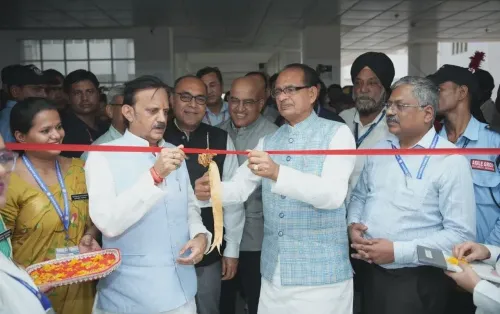
A Day-Care Cancer Facility was inaugurated at Atal Bihari Vajpayee Government Medical College, Vidisha, Madhya Pradesh , with technical support from Tata Memorial Centre (TMC) .
A cancer screening camp in Vidisha identified 586 cancer patients and 254 suspected cases .
The Madhya Pradesh government has announced a LINAC radiotherapy facility at the Vidisha medical college, expected to be commissioned within two to three years .
TMC will establish a Centre of Excellence for Cancer Prevention and Early Detection at the college, with ongoing workforce training and monitoring.
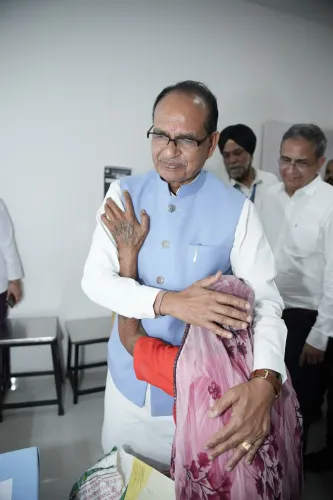
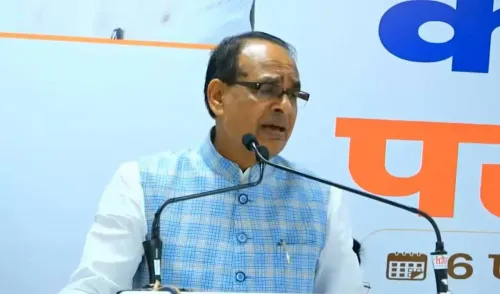
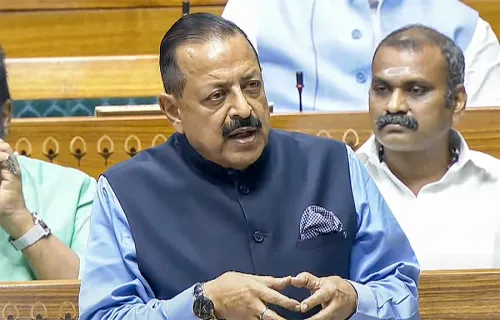
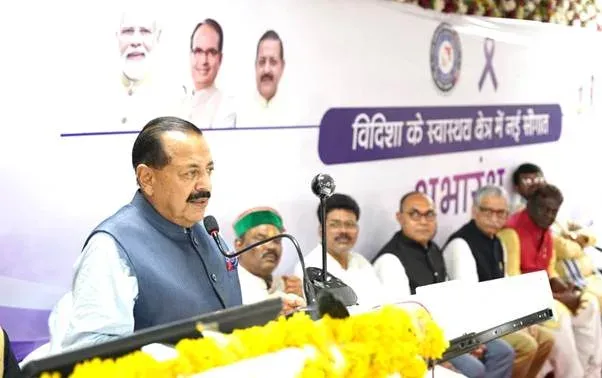
Union Minister of State for Science & Technology and Earth Sciences Dr. Jitendra Singh on Tuesday warned that India could record approximately 20 lakh new cancer cases annually by 2030, stressing that the country's rapidly rising cancer burden demands a sustained and wide-ranging expansion of dedicated care infrastructure. His remarks came at the inauguration of a Day-Care Cancer Facility at Atal Bihari Vajpayee Government Medical College, Vidisha, Madhya Pradesh.
Tata Memorial Centre's Expanding National Footprint
The Department of Atomic Energy (DAE), operating through the Tata Memorial Centre (TMC), is actively working to extend cancer-care capabilities across the country. According to the minister, services being rolled out span the full care continuum — from cancer treatment and radiation therapy to prevention, early detection, diagnosis, and the training of medical professionals.
Dr. Singh emphasised that establishing more cancer-care facilities at multiple levels of the health system is essential so that patients can access quality treatment closer to their homes, rather than travelling to distant metropolitan centres. He also called on citizens and civil society to actively resist malpractices such as food adulteration, which he noted may contribute to the growing cancer burden.
Vidisha Facility: How It Came Together
The Vidisha programme was initiated following a Cancer Gap Care Analysis conducted by a multidisciplinary team of senior specialists from Tata Memorial Centre between 5 and 7 June 2026. The analysis was designed to assess existing gaps in cancer-care delivery in the region and map a phased roadmap for improvement.
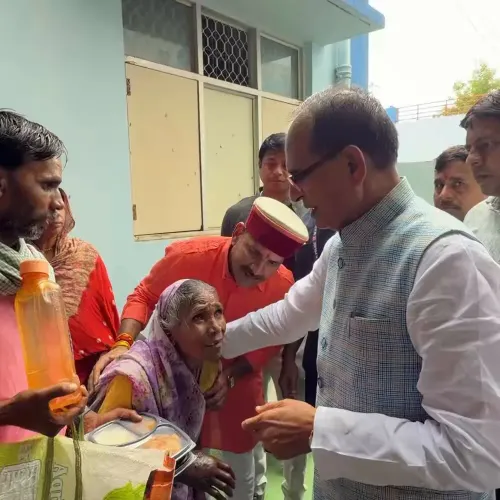
Alongside the facility inauguration, a large-scale cancer screening and awareness camp was organised in Vidisha. The camp identified 586 cancer patients and 254 suspected cases, with arrangements put in place for appropriate further treatment and referral pathways for all identified individuals.
Radiotherapy Infrastructure on the Horizon
Radiotherapy is a key pillar of the Vidisha cancer-care plan. The Madhya Pradesh government has announced the construction of a dedicated radiotherapy facility at Government Medical College, Vidisha, which will include a Linear Accelerator (LINAC) unit. The LINAC facility is expected to be commissioned within two to three years, bringing advanced radiation treatment within reach of patients from Vidisha and surrounding districts.
Centre of Excellence and Workforce Training
Tata Memorial Centre will also partner with the medical college to establish a Centre of Excellence for Cancer Prevention and Early Detection, with a focus on education and research. Healthcare workers at the institution will receive training in evidence-based strategies aimed at reducing the overall cancer burden. TMC will additionally support implementation and conduct periodic monitoring of the programme's outcomes, ensuring accountability over the long term.
With India's cancer caseload projected to cross the 20 lakh annual mark by 2030, the Vidisha facility represents one node in what officials describe as a phased national effort — and the pace of replication across other underserved districts will determine how much of that burden can realistically be intercepted.
Point of View
But one facility in one district does not address the structural deficit India faces: the country has fewer than 700 radiotherapy machines for a population of 1.4 billion, and the majority are concentrated in six to eight cities. The LINAC announcement for Vidisha is welcome, but a two-to-three year commissioning timeline means patients in the region will continue travelling hundreds of kilometres for radiation treatment in the interim. More critically, the 20 lakh figure by 2030 implies a system-wide surge that a handful of TMC-partnered colleges cannot absorb — the government's own screening camp found 840 cases in a single event in one town. Without a mapped national rollout plan with district-level targets and independent outcome tracking, the gap between the minister's ambition and the patient's reality will keep widening.
NationPress
24 Oct 2026
Frequently Asked Questions
How many new cancer cases is India projected to see annually by 2030?
India is projected to see approximately 20 lakh new cancer cases every year by 2030, according to Union Minister of State Dr. Jitendra Singh. This figure underscores the urgent need for expanded cancer-care infrastructure across the country.
What is the Day-Care Cancer Facility inaugurated in Vidisha?
It is a cancer-care facility at Atal Bihari Vajpayee Government Medical College in Vidisha, Madhya Pradesh, developed with technical support from Tata Memorial Centre under the Department of Atomic Energy. The facility is part of a phased effort to bring cancer treatment, early detection, and training closer to patients in central India.
What did the Vidisha cancer screening camp find?
A large-scale cancer screening and awareness camp held in Vidisha identified 586 cancer patients and 254 suspected cases. Arrangements were made for appropriate further treatment and referral for all those identified.
When will the radiotherapy facility in Vidisha be ready?
The Madhya Pradesh government has announced construction of a radiotherapy facility at Government Medical College, Vidisha, featuring a Linear Accelerator (LINAC) unit. It is expected to be commissioned within two to three years.
What role will Tata Memorial Centre play in Vidisha going forward?
Tata Memorial Centre will partner with the Vidisha medical college to establish a Centre of Excellence for Cancer Prevention and Early Detection, focused on education and research. TMC will also train healthcare workers in evidence-based cancer reduction strategies and support implementation with periodic monitoring.