Shivraj Singh Chouhan Launches Cancer Camp in Vidisha
Synopsis
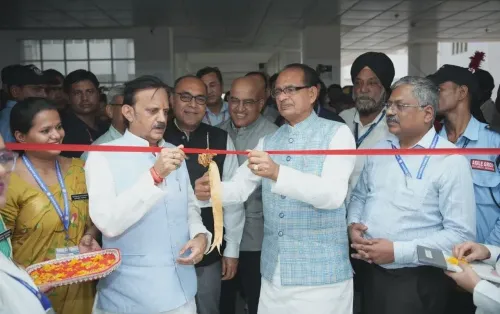
Union Agriculture Minister Shivraj Singh Chouhan has launched a cancer screening, testing, and consultation camp in Vidisha, Madhya Pradesh, after years of receiving calls from constituents unable to access Tata Memorial Centre in Mumbai. The initiative aims to bring specialist oncology services closer to rural and semi-urban patients.
Key Takeaways
Union Agriculture Minister Shivraj Singh Chouhan announced the launch of a cancer screening, testing, and consultation camp in Vidisha, Madhya Pradesh .
The initiative was directly inspired by repeated requests from constituents seeking appointments at Tata Memorial Centre, Mumbai — India's premier government-aided cancer hospital established in 1941 .
Chouhan cited the hardship of long train journeys, accommodation costs, and extended hospital waiting times as key barriers for patients from the region.
The camp aims to make Tata Memorial's facilities and doctor expertise available locally, reducing the need for patients to travel to Mumbai .
The effort aligns with the National Programme for Prevention and Control of Cancer, Diabetes, Cardiovascular Diseases and Stroke (NPCDCS) , launched in 2010 , which promotes district-level cancer screening.
The model could serve as a template for broader oncology outreach across Madhya Pradesh and potentially other states.
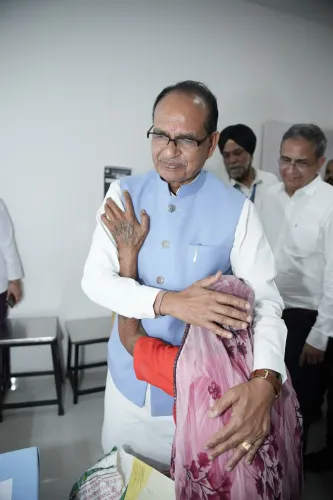
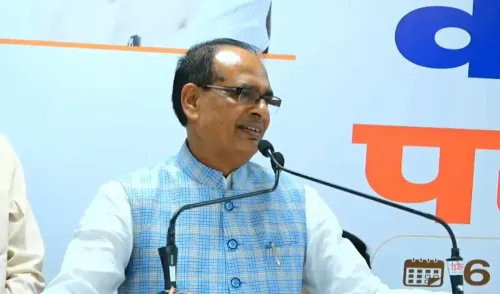
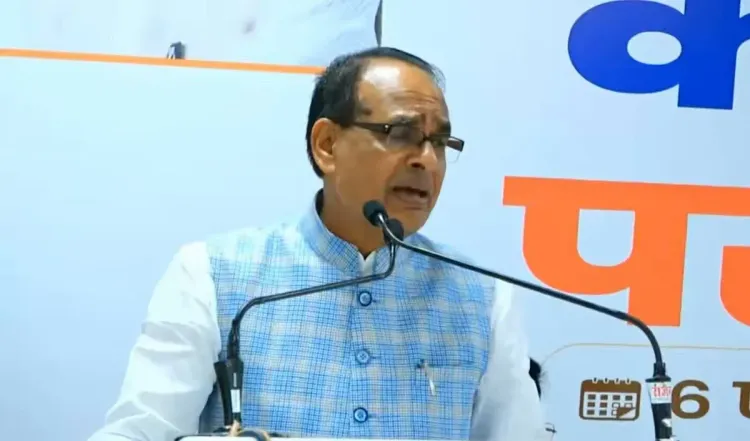
Union Agriculture Minister Shivraj Singh Chouhan on Saturday, 6 June 2026 shared how persistent requests from constituents seeking appointments at Tata Memorial Centre, Mumbai, prompted him to initiate a cancer screening, testing, and consultation camp in his home district of Vidisha, Madhya Pradesh.
Context
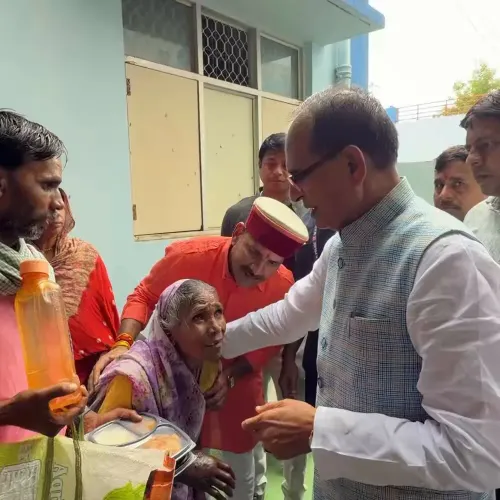
Chouhan recalled in his post that he would regularly receive calls from people saying, 'Tata Memorial mein samay dilwa dijiye, cancer ka ilaaj karwana hai' ('Please get us an appointment at Tata Memorial, we need cancer treatment'). He and his office would make repeated efforts, but the logistical burden on patients weighed on him — the long train journey to Mumbai, arranging food and accommodation on arrival, and then enduring extended waiting periods at the hospital.
That recurring concern crystallised into a question he posed to himself: could the facilities and doctors of Tata Memorial be made available locally? That thought, he wrote, became the founding idea behind the Vidisha cancer screening, testing, and consultation camp.
Policy Backdrop
The initiative aligns with a long-standing national imperative to decentralise oncology care. The National Programme for Prevention and Control of Cancer, Diabetes, Cardiovascular Diseases and Stroke (NPCDCS), launched in 2010, specifically aimed to strengthen cancer screening and early detection at the district level, reducing dependence on apex metropolitan hospitals.
Tata Memorial Centre, established in 1941 in Mumbai, remains India's foremost government-aided cancer hospital and research institute. Its reputation draws patients from across the country, creating chronic overcrowding and long waiting times — a problem that district-level outreach camps are designed to partially address.
Successive central and state governments have pursued regional cancer centres and satellite screening units as part of the broader non-communicable disease control framework, emphasising early detection in smaller towns and villages rather than funnelling all cases to metros.
Stakeholders and Impact
The primary beneficiaries are cancer patients and at-risk rural households in Vidisha district and the surrounding region of Madhya Pradesh. For many, the cost and complexity of travelling to Mumbai — train fares, accommodation, loss of daily wages — effectively places specialist cancer care out of reach until the disease has progressed significantly.
By bringing screening, diagnostic testing, and specialist consultation to Vidisha, the camp lowers the entry barrier to early-stage detection, which is widely recognised as the single most effective factor in improving cancer survival rates. Families in semi-urban and rural belts stand to benefit most from such proximity-based access.
What's Next
The Vidisha camp could serve as a template for similar district-level oncology outreach across Madhya Pradesh. Policy watchers will look for possible formal linkages between district health facilities in the state and Tata Memorial Centre — including tele-mentoring arrangements or satellite clinic models — as well as dedicated oncology infrastructure allocations in the Madhya Pradesh state budget for 2026-27.
If the camp model demonstrates measurable early-detection outcomes, it could strengthen the case for a structured, nationally replicable programme that embeds Tata Memorial's clinical expertise in underserved districts without requiring patients to travel hundreds of kilometres for a first consultation.
Point of View
Constituency-driven response — rather than a top-down government scheme — is a deliberate political choice that humanises a structural health access problem. By anchoring the initiative in his own experience of fielding distress calls, he positions himself as a responsive, empathetic leader even while serving at the Union cabinet level rather than as Chief Minister. The move also signals that senior BJP figures are increasingly linking their national profiles to visible, on-the-ground welfare delivery in home constituencies. More broadly, the camp reflects a growing consensus that India's cancer burden cannot be managed by a handful of apex institutions alone, and that district-level early detection infrastructure is no longer optional but essential.
NationPress
20 Sept 2026
Frequently Asked Questions
What is the Vidisha cancer screening camp announced by Shivraj Singh Chouhan?
It is a cancer screening, testing, and consultation camp launched in Vidisha district of Madhya Pradesh, aimed at providing specialist oncology services locally so that patients do not have to travel to Tata Memorial Centre in Mumbai.
Why did Shivraj Singh Chouhan start a cancer camp in Vidisha?
Chouhan was repeatedly approached by constituents seeking appointments at Tata Memorial in Mumbai and was troubled by the logistical and financial hardship of such travel. This prompted him to explore bringing similar facilities and expertise to Vidisha itself.
What is Tata Memorial Centre and why do patients go there?
Tata Memorial Centre is India's foremost government-aided cancer hospital and research institute, established in 1941 in Mumbai. It is known for advanced oncology care and attracts patients from across the country, often leading to long waiting periods.
How does this camp relate to national cancer policy in India?
The initiative aligns with the National Programme for Prevention and Control of Cancer, Diabetes, Cardiovascular Diseases and Stroke (NPCDCS), launched in 2010, which promotes district-level cancer screening and early detection to reduce pressure on apex metropolitan hospitals.
Can this Vidisha model be replicated in other districts of Madhya Pradesh?
Policy observers suggest the camp could serve as a template for similar outreach across Madhya Pradesh, with potential formal linkages to Tata Memorial for tele-mentoring or satellite clinics, subject to state budget allocations for oncology infrastructure.