Shivraj launches Nasha Mukti Abhiyan after Vidisha cancer camp
Synopsis
Union Agriculture Minister Shivraj Singh Chouhan has launched the Nasha Mukti Abhiyan, a grassroots anti-addiction drive, after a cancer screening camp in Vidisha, Madhya Pradesh exposed high rates of oral cancer linked to tobacco and alcohol. Citizens can register as volunteers via a missed call.
Key Takeaways
Union Agriculture Minister Shivraj Singh Chouhan announced the Nasha Mukti Abhiyan on 8 June 2026 following a two-day cancer screening camp in Vidisha, Madhya Pradesh .
The camp found oral cancers to be the most prevalent cases, with bidi, tobacco, cigarettes, gutkha, alcohol and paan masala identified as primary causes.
Chouhan called addiction 'the root of destruction' and appealed for public participation to make the campaign a mass movement.
Citizens can register as Nasha Mukti Abhiyan volunteers by giving a missed call to 8929629475 .
Village-level committees ( samitis ) are planned to be formed across constituencies to sustain grassroots outreach.
The campaign aligns with India's existing framework under COTPA 2003 and the National Tobacco Control Programme launched in 2007–08 .
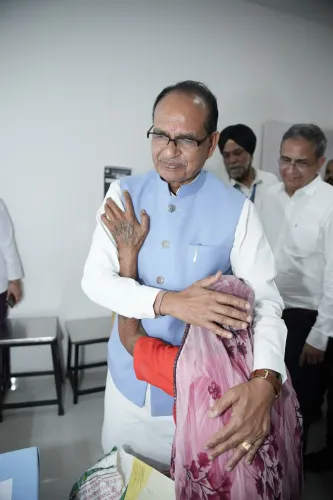
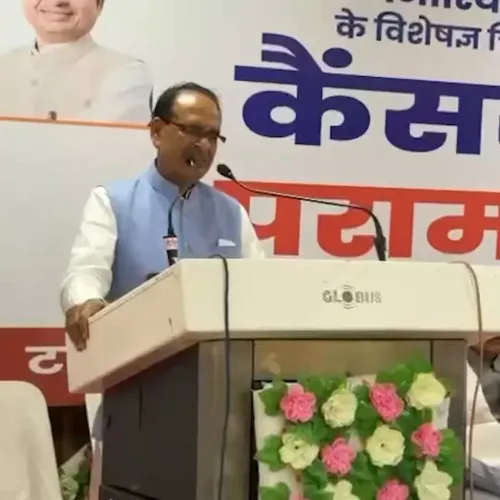
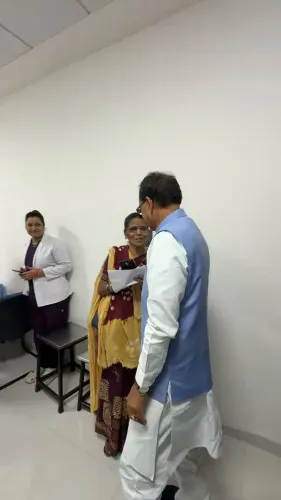
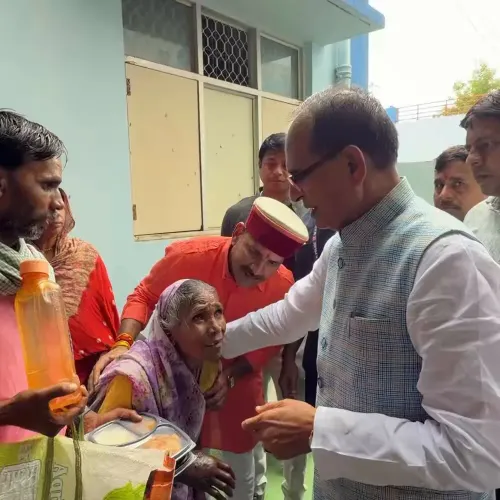
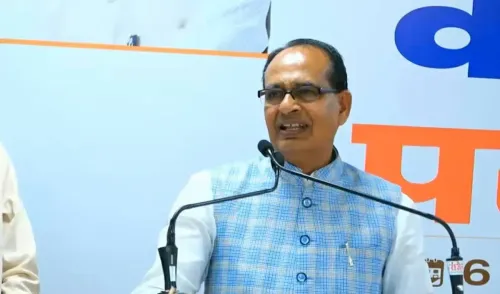
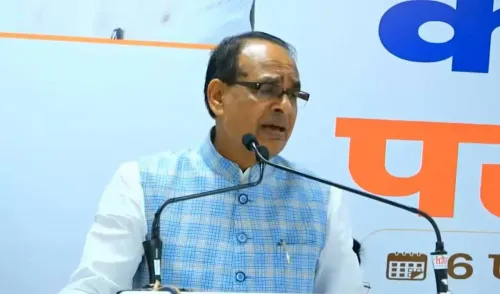
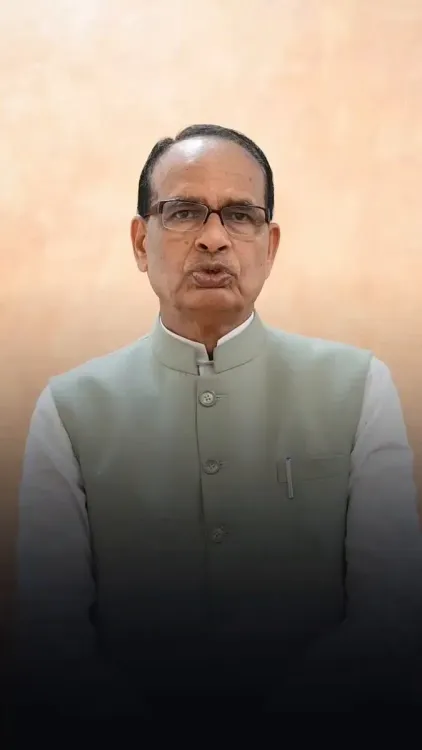
Union Agriculture Minister Shivraj Singh Chouhan on Monday, 8 June 2026 announced the launch of a grassroots anti-addiction campaign — the Nasha Mukti Abhiyan — after a two-day cancer screening and counselling camp held in Vidisha, Madhya Pradesh revealed a high incidence of oral cancer cases linked to tobacco, alcohol and related substances.
Context
Chouhan, writing to his followers in Hindi, said the findings from the Vidisha camp left him deeply shaken. 'Sach mein dahl gaya' (I was truly shaken to the core), he wrote, noting that the largest share of cancer cases detected at the camp were oral cancers. He identified bidi, tobacco, cigarettes, gutkha, alcohol and paan masala as the primary causes.
In his post, Chouhan declared: 'Nasha, naash ki jadd hai' — 'Addiction is the root of destruction' — and said the pain he witnessed had resolved him to launch a sustained campaign against substance use. He acknowledged that the fight could not be won alone and called on citizens to join the effort.
Policy Backdrop
India has maintained a legislative framework against tobacco use since the Cigarettes and Other Tobacco Products Act (COTPA), 2003, which regulates sale, advertisement and consumption of tobacco products. The National Tobacco Control Programme (NTCP), rolled out from 2007–08, established state-level cells to drive awareness and reduce tobacco-related non-communicable diseases.
Despite these measures, oral cancer remains disproportionately prevalent in rural India, where gutkha and bidi consumption is widespread and health literacy is limited. Community-level campaigns that combine screening with behavioural change have been a recurring feature of both central and state government health policy, though sustained implementation has varied significantly across regions.
Stakeholders and Impact
Chouhan holds the portfolios of both Agriculture and Farmers Welfare and Rural Development, giving him a direct institutional channel to rural communities across India. By anchoring the Nasha Mukti Abhiyan at the village level, the campaign is designed to reach populations most vulnerable to substance-related cancers and least served by urban health infrastructure.
Citizens wishing to register as volunteers for the campaign have been asked to give a missed call to 8929629475, after which they will be enrolled as Nasha Mukti Abhiyan workers. Chouhan said village-level committees (samitis) would be formed shortly to convert the campaign into a janaandolan — a people's movement.
The primary stakeholders are rural communities in Madhya Pradesh and potentially other states, along with tobacco and alcohol users who may be reached through door-to-door awareness efforts by registered volunteers.
What's Next
The immediate next step is the rollout of village-level committees across constituencies, with volunteer mobilisation driven through the missed-call registration mechanism. Chouhan's appeal — 'Aayiye, saath aayen, Nasha Mukti Abhiyan chalaayen, samaj ko bachaayen' ('Come, let us join together, run the Nasha Mukti Abhiyan, save society') — signals an intent to build a mass volunteer base before formalising the campaign structure.
If the initiative gains scale, it could intersect with existing rural health and development schemes, potentially integrating tobacco-cessation messaging into the infrastructure of village panchayats and self-help groups. How the campaign is operationalised beyond the initial volunteer registration will determine whether it achieves the reach its launch rhetoric envisions.
Point of View
Emotionally direct register — rare for a Union minister's policy communication — which suggests a deliberate effort to build a citizen-volunteer base rather than route the campaign through bureaucratic channels. By tying the launch to concrete screening data from Vidisha, he grounds the appeal in local evidence, lending it credibility beyond routine awareness drives. The missed-call registration mechanism mirrors mobilisation strategies used by political campaigns, raising the question of whether the Nasha Mukti Abhiyan will develop an independent civic identity or function primarily as a ministerial outreach vehicle. Either way, the initiative puts rural substance-use and non-communicable disease prevention back on the political agenda ahead of any future electoral cycle in Madhya Pradesh.
NationPress
20 Sept 2026
Frequently Asked Questions
What is the Nasha Mukti Abhiyan launched by Shivraj Singh Chouhan?
The Nasha Mukti Abhiyan is a grassroots anti-addiction campaign announced by Union Agriculture Minister Shivraj Singh Chouhan on 8 June 2026, aimed at combating tobacco, gutkha, alcohol and related substance use through village-level committees and citizen volunteers.
How can I register for the Nasha Mukti Abhiyan?
You can register as a Nasha Mukti Abhiyan volunteer by giving a missed call to 8929629475 . You will then be enrolled as a campaign worker.
What did the Vidisha cancer camp reveal?
A two-day cancer screening and counselling camp held in Vidisha, Madhya Pradesh found that oral cancer cases were the most prevalent, with bidi, tobacco, cigarettes, gutkha, alcohol and paan masala identified as the leading causes.
What is COTPA and how does it relate to this campaign?
COTPA, the Cigarettes and Other Tobacco Products Act of 2003, is India's primary law regulating the sale, advertisement and use of tobacco products. Chouhan's Nasha Mukti Abhiyan operates within this broader legislative framework and complements the National Tobacco Control Programme active since 2007–08.
What role does Shivraj Singh Chouhan hold in the central government?
Shivraj Singh Chouhan is the Union Minister of Agriculture and Farmers Welfare and Rural Development. He is also a senior BJP leader and served four terms as Chief Minister of Madhya Pradesh.