Shivraj Singh Chouhan Calls for Anti-Tobacco Drive
Synopsis
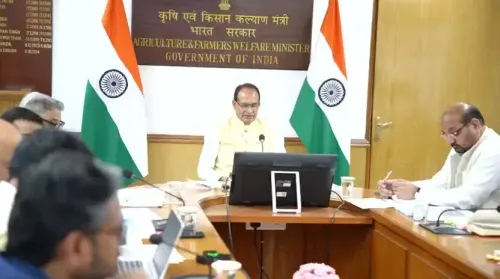
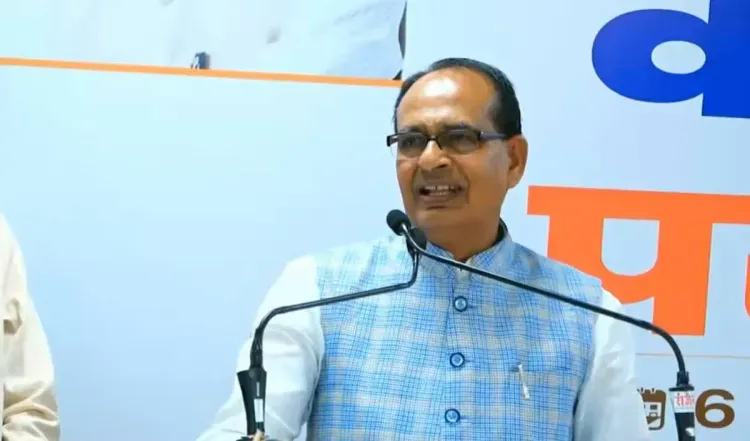
Union Agriculture Minister Shivraj Singh Chouhan on June 6, 2026, called for a nationwide awareness campaign against gutkha, tobacco, alcohol, and bidi, arguing that eliminating the root causes of cancer matters more than treatment alone. He highlighted the devastating financial and human toll on Indian families.
Key Takeaways
Union Agriculture Minister Shivraj Singh Chouhan posted on June 6, 2026 , calling for collective action to end gutkha, tobacco, alcohol, and bidi use.
He argued that a prevention campaign must precede — and outweigh — cancer treatment efforts.
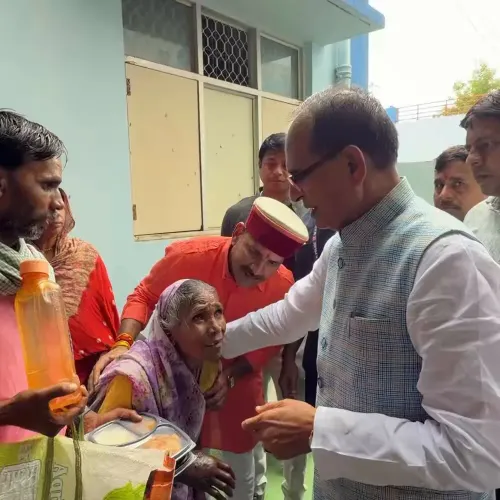
Chouhan highlighted young people suffering liver failure and families exhausting lifetime savings on treatment.
India's Cigarettes and Other Tobacco Products Act (COTPA) , enacted in 2003 , already prohibits tobacco advertising and regulates its trade nationwide.
The National Tobacco Control Programme has been operational since 2007-08 , supporting state enforcement and awareness drives.
Multiple states have banned gutkha under food safety law since 2012 , though enforcement remains inconsistent across regions.
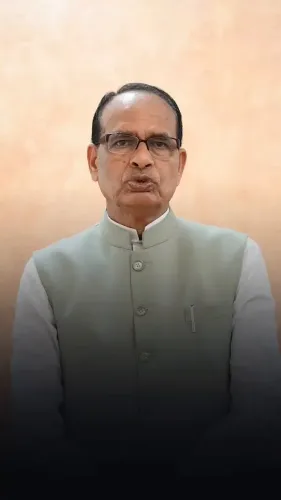
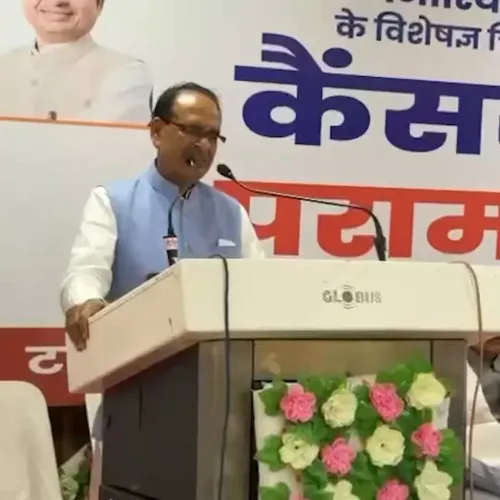
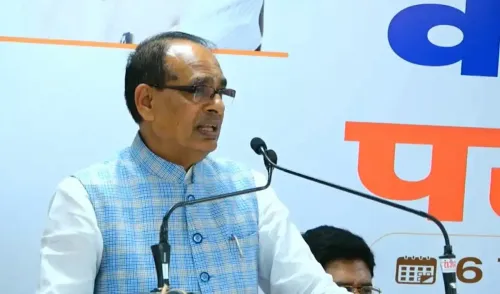
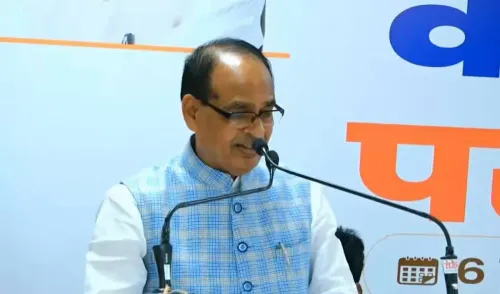
Union Agriculture Minister Shivraj Singh Chouhan on Saturday, June 6, 2026, called for a broad public campaign to eliminate the root causes of cancer, urging collective action against gutkha, tobacco, alcohol, bidi, and other intoxicants before the disease takes hold in families across India.
Posting on X, Chouhan wrote: 'कैंसर के इलाज से पहले, कैंसर रोकने का अभियान जरूरी है' — 'Before treating cancer, a campaign to prevent it is essential.' He called on all citizens to join a movement to end the use of gutkha, tobacco, alcohol, and bidi, asking: 'How many families are being destroyed... livers are failing at a young age... parents spend their life's savings on treatment.'
Context
Chouhan's appeal centres on a straightforward argument: awareness is the most powerful cure. His post concludes, 'कोशिश ऐसी हो कि रोग की जड़ ही मिट जाए। अवेयरनेस ही सबसे बड़ा उपचार है' — 'The effort should be such that the very root of the disease is eliminated. Awareness is the greatest treatment.'
The statement, while posted by a minister holding the Agriculture and Rural Development portfolio, reflects the cross-ministerial public health communication that has become common practice among senior government figures, particularly on non-communicable disease prevention.
Policy Backdrop
India has a layered legal and programmatic architecture targeting tobacco and substance use. The Cigarettes and Other Tobacco Products Act (COTPA), enacted in 2003, prohibits advertising and regulates the sale and consumption of tobacco products nationwide. The National Tobacco Control Programme, launched in 2007-08, supports state-level enforcement and public awareness campaigns.
From 2012 onwards, several Indian states imposed outright bans on gutkha under food safety regulations, citing direct links to oral cancer. These bans have faced uneven enforcement, and gutkha continues to be widely available in many parts of the country, underlining the gap between legislation and ground-level compliance that Chouhan's appeal implicitly addresses.
Stakeholders and Impact
India carries one of the world's largest burdens of tobacco-related illness. Oral cancer, liver disease, and other lifestyle-linked conditions disproportionately affect lower-income households, where out-of-pocket medical spending can wipe out years of savings — the precise human cost Chouhan highlights in his post.
Tobacco users, cancer-affected families, and rural communities — constituencies that fall squarely within Chouhan's remit as Rural Development Minister — stand at the centre of this public health challenge. Awareness campaigns and stricter enforcement of existing laws are widely regarded by health policy experts as complementary levers, neither sufficient alone.
What's Next
Chouhan's call adds political weight to ongoing state-level debates about stricter enforcement of gutkha and tobacco bans. Observers will watch whether his statement translates into coordinated outreach through the Rural Development or Agriculture ministries, or prompts a formal inter-ministerial initiative with the Health Ministry.
With India's non-communicable disease burden continuing to grow, the emphasis on prevention over cure — and on community-level awareness as the first line of defence — is likely to remain a recurring theme in public health discourse through the remainder of 2026 and beyond.
Point of View
The statement signals that the BJP's senior leadership sees preventive health as a cross-cutting political asset, not a siloed ministry brief. The framing — 'eliminate the root of the disease' — echoes a long-standing government preference for awareness-led, low-cost interventions over structural reform of the tobacco supply chain. Whether this translates into coordinated policy action or remains aspirational rhetoric will be the real test of its significance.
NationPress
22 Sept 2026
Frequently Asked Questions
What did Shivraj Singh Chouhan say about cancer prevention?
Shivraj Singh Chouhan called for a nationwide campaign to eliminate the root causes of cancer by stopping the use of gutkha, tobacco, alcohol, and bidi, saying awareness is the greatest treatment.
Is gutkha banned in India?
Several Indian states banned gutkha from 2012 onwards under food safety regulations citing cancer risks, but enforcement has been uneven and the product remains accessible in many parts of the country.
What is the National Tobacco Control Programme?
The National Tobacco Control Programme is a central government scheme launched in 2007-08 to promote awareness about tobacco harms and support state-level enforcement of tobacco control laws.
What law governs tobacco products in India?
The Cigarettes and Other Tobacco Products Act (COTPA), enacted in 2003, is the primary central legislation that prohibits tobacco advertising and regulates the sale and consumption of tobacco products across India.
Why is cancer prevention a political issue in India?
Cancer and lifestyle diseases impose a heavy financial burden on lower-income families, making prevention a populist concern; senior leaders across parties regularly invoke the human cost of tobacco and alcohol use to build support for awareness and enforcement measures.