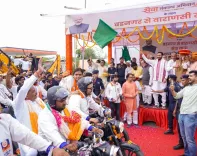
Shivraj Chouhan calls for drug-free villages and society
Synopsis
Union Agriculture Minister Shivraj Singh Chouhan appealed on September 27, 2026 for drug-free villages and a drug-free society, reinforcing the Nasha Mukt Bharat Abhiyan's push to tackle substance abuse in rural India as a core welfare priority.
Key Takeaways
Union Agriculture Minister Shivraj Singh Chouhan posted a video message on September 27, 2026 calling for drug-free villages and a drug-free society.
His appeal — 'Nasha mukt gaon aur nasha mukt samaj' — directly targets rural communities where substance abuse intersects with welfare and livelihood concerns.
The message aligns with the Nasha Mukt Bharat Abhiyan , launched in August 2020 , which initially covered 272 high-burden districts for drug demand reduction.
Chouhan's dual portfolio of Agriculture and Rural Development makes anti-drug messaging a natural extension of his rural welfare mandate.
Policy watchers are tracking potential integration of de-addiction outreach with schemes like the National Rural Livelihoods Mission (NRLM) at the village level.
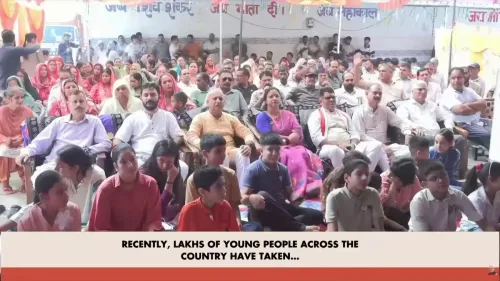
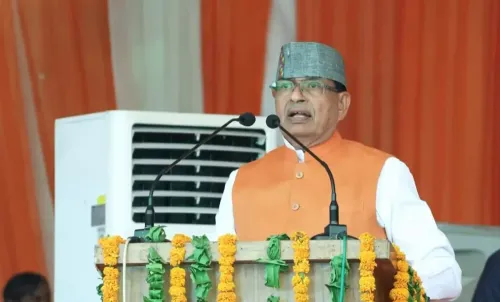
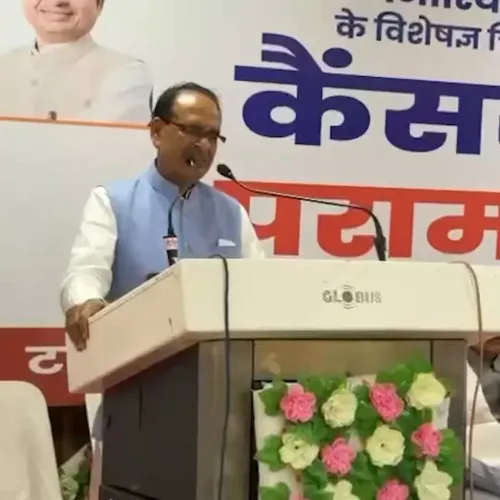
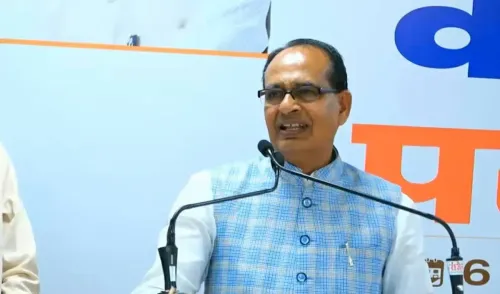
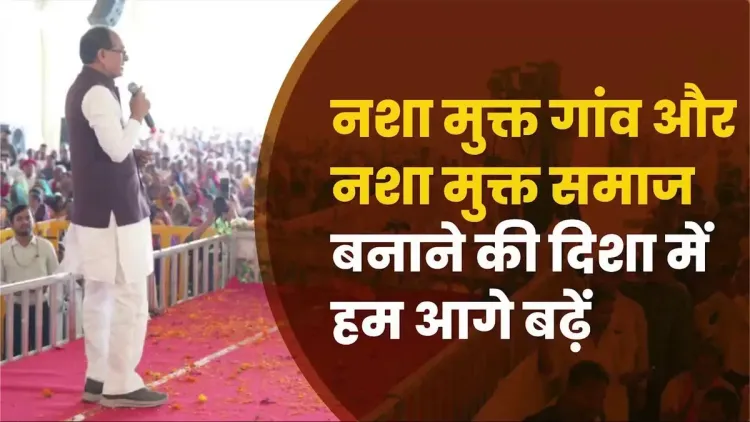
A simple call to arms — but one with deep roots in India's rural welfare agenda. Union Agriculture Minister Shivraj Singh Chouhan on Sunday, September 27, 2026 appealed to citizens to actively work toward drug-free villages and a drug-free society, posting a video message on X directed at his 'brothers and sisters' across the country.
In his post, Chouhan urged, 'Nasha mukt gaon aur nasha mukt samaj banane ki disha mein hum aage badhen' — 'Let us move forward in the direction of building drug-free villages and a drug-free society.' The appeal, brief and direct, is squarely aimed at rural communities where substance abuse has quietly grown into a significant welfare challenge alongside agriculture and livelihood concerns.
The Nasha Mukt Bharat Abhiyan backdrop
Chouhan's message echoes the spirit of the Nasha Mukt Bharat Abhiyan, the Central government's flagship anti-drug campaign launched in August 2020. The initiative initially targeted 272 high-burden districts across the country, focusing on drug demand reduction, community mobilisation, and de-addiction outreach — with rural youth and vulnerable populations at its core.
The campaign operates within the broader framework of the Narcotic Drugs and Psychotropic Substances Act, linking awareness drives to health outreach and rural development programmes. For a minister who holds the dual portfolio of Agriculture and Rural Development, calling out substance abuse is not incidental — it sits directly alongside productivity and village welfare as interlocking concerns.
Why the Agriculture Minister's voice carries weight here
As a former four-term Chief Minister of Madhya Pradesh, Chouhan has long championed grassroots welfare messaging. His current dual portfolio — overseeing both farm policy and rural development — positions him uniquely to bridge the gap between agricultural prosperity and the social health of village communities. Drug abuse in rural areas is increasingly recognised as a drag on farm-household income, youth employment, and family stability.
Whether this post signals a fresh push — new de-addiction camps integrated with schemes like the National Rural Livelihoods Mission (NRLM), or village-level committee drives — remains to be watched. But the message itself is unambiguous: the Centre is keeping rural sobriety firmly on the welfare agenda.
Drug-free villages are not built by campaigns alone. They are built by communities that believe the goal is possible — and that is precisely what Chouhan is betting on.
Point of View
Emotionally direct language to sustain grassroots momentum. Framing drug-free villages as a community responsibility rather than a government directive is politically shrewd: it builds ownership without committing to new budgetary outlay. For the broader rural development agenda, linking substance abuse to agricultural productivity subtly expands the definition of 'farmer welfare' beyond crop prices and MSP. The real test will be whether this messaging catalyses measurable state-level action or remains in the aspirational register.
NationPress
27 Sept 2026
Frequently Asked Questions
What did Shivraj Singh Chouhan say about drug-free villages?
On September 27, 2026, Chouhan appealed to citizens to move forward in building drug-free villages and a drug-free society, posting a video message on X addressed to 'brothers and sisters' across India.
What is the Nasha Mukt Bharat Abhiyan?
The Nasha Mukt Bharat Abhiyan is a Central government initiative launched in August 2020, initially targeting 272 high-burden districts to reduce drug demand, raise awareness against substance abuse, and promote de-addiction — with a focus on rural youth and vulnerable populations.
Why is the Agriculture Minister speaking about drug abuse?
As minister holding both the Agriculture and Rural Development portfolios, Chouhan views substance abuse as directly linked to rural welfare, family stability, and farm-household productivity — making it a natural part of his mandate.
Which government scheme addresses drug abuse in rural India?
The Nasha Mukt Bharat Abhiyan is the primary Central scheme for drug demand reduction in rural and semi-urban areas, operating under the Narcotic Drugs and Psychotropic Substances Act framework.
What is Shivraj Singh Chouhan's political background?
Shivraj Singh Chouhan is a senior BJP leader and former four-term Chief Minister of Madhya Pradesh, currently serving as Union Minister of Agriculture and Farmers Welfare and Rural Development in the Central government.