Shivraj launches anti-addiction jan aandolan after cancer camp
Synopsis
Union Agriculture Minister Shivraj Singh Chouhan has launched a personal anti-addiction mass movement after attending a cancer screening camp on June 7, 2026. Moved by patients' suffering, he linked substance use to cancer's toll on families and called on citizens to join via a missed call or website registration.
Key Takeaways
Shivraj Singh Chouhan announced a personal anti-addiction campaign on June 7, 2026 after attending a cancer screening and counselling camp.
He said the findings from the camp were 'deeply alarming' and left him unable to sleep.
The campaign is framed as a jan aandolan (people's movement), driven by social mobilisation rather than government machinery.
Citizens can join by giving a missed call to 8929629475 or registering on his personal website.
Chouhan drew a direct link between addiction and cancer, highlighting the financial and emotional devastation caused by the disease.
The initiative echoes recurring national efforts to convert ministerial outreach into grassroots public-health drives against addiction and non-communicable diseases.
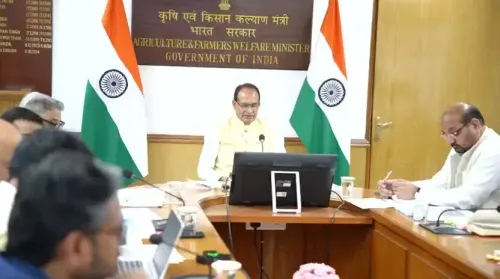
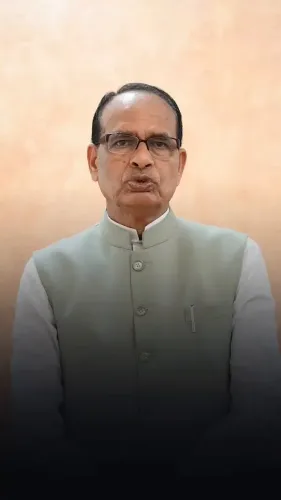
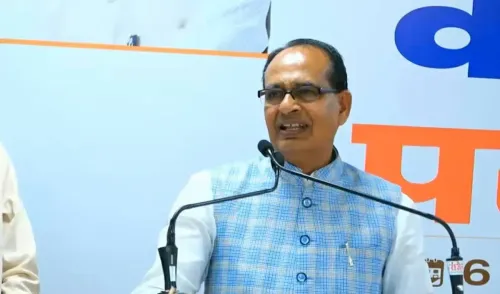
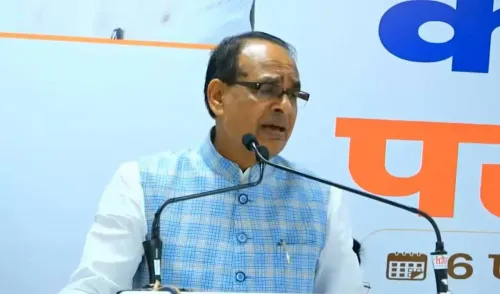
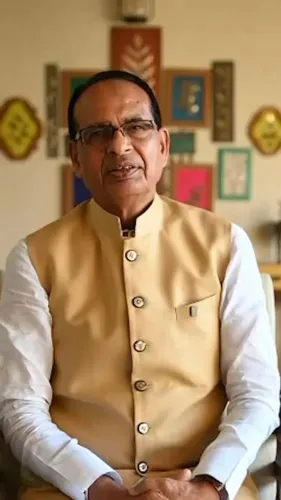
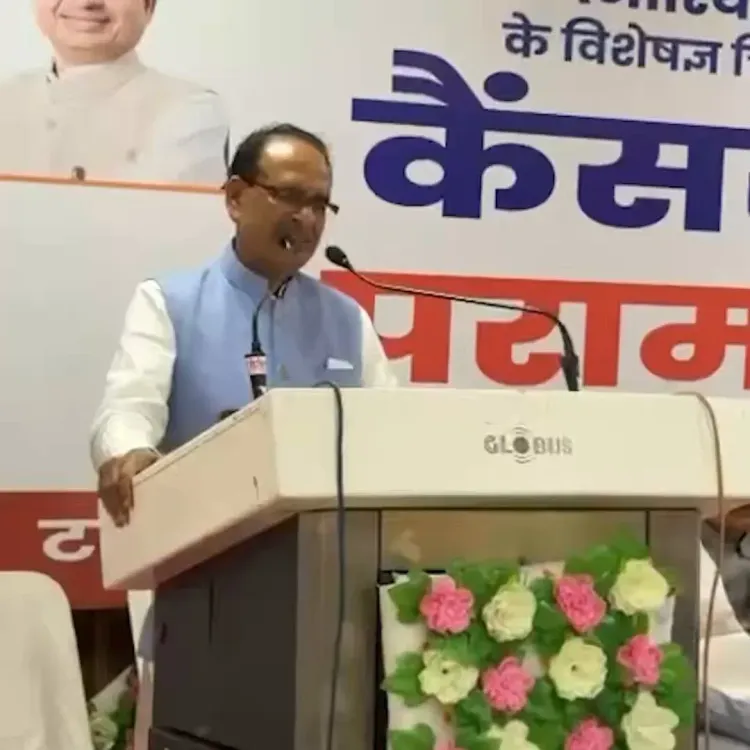
Union Agriculture Minister Shivraj Singh Chouhan on Sunday, June 7, 2026, announced the launch of a personal anti-addiction campaign after attending a cancer screening and counselling camp, saying the findings left him sleepless and urging citizens to join a mass movement against substance use. He has invited participation via a missed call to 8929629475 or registration on his personal website.
Context
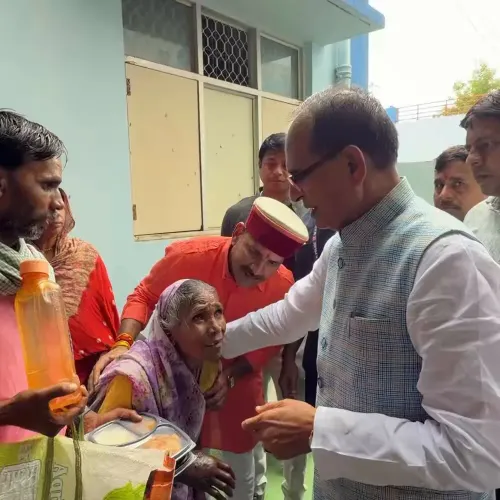
In his post, Chouhan wrote — 'कल कैंसर जांच एवं परामर्श शिविर में आए मरीजों से मिलकर मैं पूरी रात सो नहीं पाया' ('After meeting patients at yesterday's cancer screening and counselling camp, I could not sleep the entire night'). He described the findings as deeply alarming, saying the sight of patients filled him with grief and pain.
Addressing his followers as 'मेरे प्यारे बहनों-भाइयों और भांजे-भांजियों' ('my dear brothers, sisters, nephews and nieces') — a signature familial style he has maintained since his years as Chief Minister of Madhya Pradesh — Chouhan drew a direct line between addiction and cancer, asking: 'This cancer has swallowed countless happy families. Treatment destroys wealth, property, and the family itself — so why addiction at all?'
Policy Backdrop
India has long grappled with the dual burden of rising cancer incidence and widespread substance use. The National Programme for Prevention and Control of Cancer, Diabetes, Cardiovascular Diseases and Stroke (NPCDCS), launched in 2010, was designed to strengthen screening and awareness for non-communicable diseases including cancer, but outreach at the grassroots level has remained uneven.
Tobacco use — a leading preventable cause of cancer — and other forms of substance dependence continue to strain both public health infrastructure and household finances across rural and semi-urban India. Chouhan's framing explicitly links addiction to cancer's economic devastation, a narrative that resonates strongly in the agrarian heartland he has represented politically for decades.
Stakeholders and Impact
The campaign is positioned as a jan aandolan — a people's movement — rather than a government programme, with Chouhan stressing collective social responsibility: 'We will have to awaken a social strictness against addiction. I urge all of you to come together and build this into a jan aandolan.' The registration mechanism — a simple missed call or a web form — lowers the barrier to participation for citizens in smaller towns and villages.
Families of cancer patients and communities affected by addiction are the primary intended audience. Because Chouhan currently holds a Union Cabinet portfolio rather than a state government post, the campaign operates through personal outreach rather than official government machinery, though it could draw in volunteers and party networks from across Madhya Pradesh and beyond.
What's Next
Observers will watch whether the Ministry of Health and Family Welfare formally endorses or aligns with this initiative, which could scale it into a structured national drive. BJP state units in other states may replicate the registration-based model if participation numbers prove significant.
If the campaign gains momentum, it could serve as a template for minister-led, social-media-anchored public-health mobilisation — blurring the line between personal political outreach and national health policy in ways that have become increasingly common in Indian governance.
Point of View
Honed over four terms as Chief Minister of Madhya Pradesh. By anchoring an anti-addiction message in the visceral imagery of cancer's toll on families, he taps a sentiment that cuts across class and geography in rural India. The missed-call registration mechanism is a low-tech, high-reach tool that has proved effective in BJP's voter and volunteer mobilisation playbook. Whether this translates into a durable health movement or remains a social-media moment will depend on institutional follow-through from the health ministry and party machinery.
NationPress
16 Sept 2026
Frequently Asked Questions
What campaign has Shivraj Singh Chouhan launched in June 2026?
Shivraj Singh Chouhan launched a personal anti-addiction jan aandolan on June 7, 2026, after attending a cancer screening and counselling camp. He is calling on citizens to join the movement via a missed call to 8929629475 or by registering on his website.
How can I join Shivraj Chouhan's anti-addiction campaign?
You can join by giving a missed call to 8929629475 or by visiting his personal website and registering through the engagement form.
Why did Shivraj Singh Chouhan start an anti-addiction drive?
Chouhan said that meeting patients at a cancer screening camp left him unable to sleep, and he was moved by how addiction-related cancers were destroying families financially and emotionally. He linked substance use directly to cancer incidence and called for a social awakening.
Is Shivraj Chouhan's campaign a government programme?
No, the campaign is a personal initiative by Chouhan rather than an official government programme. It operates through his personal outreach, social media, and a missed-call registration system, though it may draw on party volunteer networks.
What is India's national policy on cancer prevention?
India has run the National Programme for Prevention and Control of Cancer, Diabetes, Cardiovascular Diseases and Stroke (NPCDCS) since 2010 to strengthen screening and awareness for non-communicable diseases including cancer, though grassroots outreach has remained uneven.